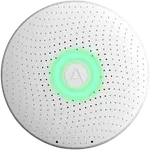
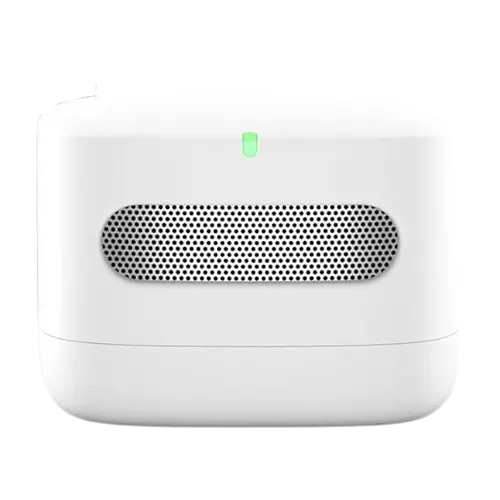


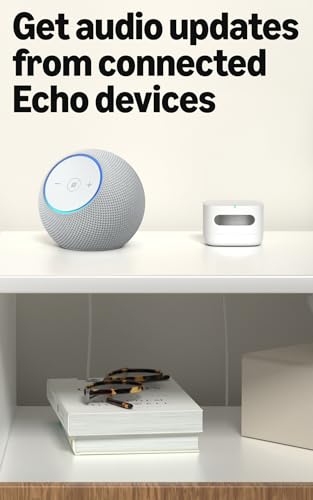



Amazon Smart Air Quality Monitor Review: A Cheap, Responsive Air Sensor That Lives in Alexa
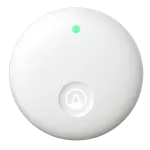
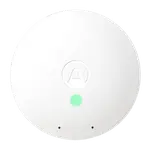
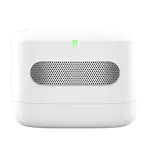
The Amazon Smart Air Quality Monitor is an affordable, compact sensor that tracks five things, VOCs, PM2.5 particulates, carbon monoxide (CO), temperature and humidity, and rolls them into an overall air-quality score with a green/amber/red light. It sets up in minutes (plug it in and the Alexa app finds it), is impressively responsive to cooking, sanding, cleaning, candles and other activities, and, unusually, can trigger Alexa routines directly from temperature, humidity, CO, particulate or VOC readings without IFTTT or a hub, which makes it great for automating an air purifier or fan. The big catches: it only works with Alexa (no Google Home, HomeKit or SmartThings, and it is useless without an Echo), it has no display and must be plugged in, the Alexa app is weak for viewing or exporting data, custom routines can fail to trigger reliably, and VOC readings can throw the occasional false alarm. For an Alexa household wanting cheap, responsive air monitoring and purifier automation, it is a solid pick.
- Alexa households
- Automating an air purifier
- Cooking and renovation monitoring
- Budget air quality checks
Pros
- Tracks VOCs, PM2.5, carbon monoxide, temperature and humidity in one cheap unit
- Plug-and-play setup; Alexa app detects it instantly
- Very responsive to cooking, sanding, cleaning, candles and other sources
- Can trigger Alexa routines directly from its readings (no IFTTT or hub needed)
- Green/amber/red light plus voice updates and app charts
- Compact and good for multi-room or renovation monitoring
Cons
- Works only with Alexa and is useless without an Echo
- Alexa app is poor for data: no month/year view, no export, no API, weak graphs
- Custom threshold-based routines can fail to trigger reliably
- VOC readings can throw occasional false alarms; aerosols spike them instantly
- No Google Home, HomeKit or SmartThings; no screen, must be plugged in
- Pricey at full price; measures CO (not CO2 or radon) and is not a dedicated CO alarm
Who is the Amazon Smart Air Quality Monitor for?
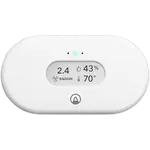
This is a small, inexpensive air quality sensor for people already using Alexa. It measures VOCs (airborne chemicals), PM2.5 particulates, carbon monoxide (CO), temperature and humidity, combining them into a single air-quality score shown by a green, amber or red light and detailed in the Alexa app. It connects over Wi-Fi (and Bluetooth for setup), has no screen, and must stay plugged in. Crucially, it works only with Amazon Alexa: there is no Google Home, Apple HomeKit, SmartThings or IFTTT support, and you need an Echo device to set it up and get voice or app updates. Its standout feature is triggering Alexa routines directly from its readings (for example, switching on an air purifier when the score drops), without extra hubs. It best suits Alexa users who want cheap, responsive monitoring, anyone automating a purifier or fan, and people tracking air quality while cooking, renovating or running a workshop. Note it measures CO, not radon or CO2, and is not a replacement for a dedicated CO alarm.
What buyers love
Owners praise how easy and responsive it is: setup is genuinely plug-and-play (the Alexa app detects it instantly), and the sensors react fast to real events, with reviewers watching VOCs or particulates spike from cooking, sanding, a chimney sweep, super glue, 3D printing or a hidden lit candle, then settle once the source is gone. The Alexa integration is the headline: you can build routines that act on temperature, humidity, CO, particulate or VOC levels without IFTTT or a Zigbee hub, which several owners use to automate a purifier or window AC, something competing sensors could not do for them. The green/amber/red light, voice updates, and app charts give quick insight, temperature and humidity track closely with other thermometers, and the compact, plug-in design fits anywhere. Several credit it with catching genuinely dangerous situations (a generator leaking CO into the house, a hidden candle), and many run several across floors to compare rooms or monitor a renovation.
What to know before you buy
The Alexa dependence is the biggest limitation: it does nothing useful without an Echo, it is not truly portable, and everything lives inside the Alexa app, which one detailed reviewer dismantled for being poor at data (only hour/day/week views with no month or year, no date-range picker, no CSV export, no API, slow navigation, and graphs scaled so an indoor temperature change of a degree is nearly invisible). Custom Alexa routines based on thresholds are also reported as unreliable, sometimes failing to trigger when air quality crosses the set point (the built-in poor-air alerts work better), which undermines automation. VOC readings can throw occasional false alarms with no obvious cause, and any aerosol (air freshener, disinfectant, freeze spray) will spike them instantly, which is the sensor working but can be startling. It has no Google Home, HomeKit or SmartThings support, no screen, must be plugged in, and is pricey at full price (most owners recommend buying on sale). It measures CO, not CO2 or radon, and is not a substitute for a certified CO alarm.
Is the Amazon Smart Air Quality Monitor worth it?
For an Alexa household, yes: it is a cheap, compact, very responsive air monitor that covers VOCs, particulates, CO, temperature and humidity, and its ability to trigger Alexa routines directly makes it a standout for automating a purifier or fan. It genuinely helps you see what cooking, cleaning or hobbies do to your air, and it has caught real hazards for some owners. Just go in clear-eyed: it only works with Alexa, the app is frustrating for anything beyond a quick glance, custom routines can be flaky, and VOC false alarms happen. Buy it on sale, treat it as an indicator rather than a lab instrument, and keep a dedicated CO alarm. If you are not in the Alexa ecosystem or want exportable data and broad integration, look elsewhere; if you are, it is a useful, affordable monitor.
Frequently asked questions
What does the Amazon Smart Air Quality Monitor measure?
Five things: VOCs (airborne chemicals), PM2.5 particulates, carbon monoxide (CO), temperature and humidity, combined into an overall air-quality score. It does not measure CO2 or radon, and it is not a substitute for a certified carbon monoxide alarm.
Do I need Alexa to use it?
Yes. It works only with Amazon Alexa and needs an Echo device for setup, voice updates and the app. There is no Google Home, Apple HomeKit, SmartThings or IFTTT support, so it is not useful without an Alexa setup.
Can it automate my air purifier?
Yes, and it is the main reason many buy it. You can create Alexa routines that act on temperature, humidity, CO, particulate or VOC readings (for example, turn on a purifier when the score drops), without IFTTT or a hub. Note that custom routines can sometimes fail to trigger reliably.
Why does it show poor air quality randomly?
VOC readings can throw occasional false alarms, and any aerosol spray, air freshener or cleaning product will spike VOCs immediately. That is the sensor doing its job, but it can be startling, and a few owners report stray VOC alerts with no obvious cause.
Can I export the data or view long-term history?
Not really. The data lives in the Alexa app with only hour, day and week views, no month or year range, no date picker, no CSV export and no API. It is fine for a quick glance or alerts, but poor for detailed analysis or long-term tracking.