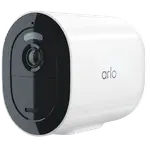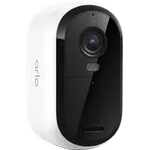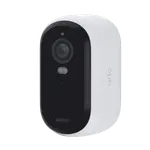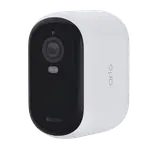
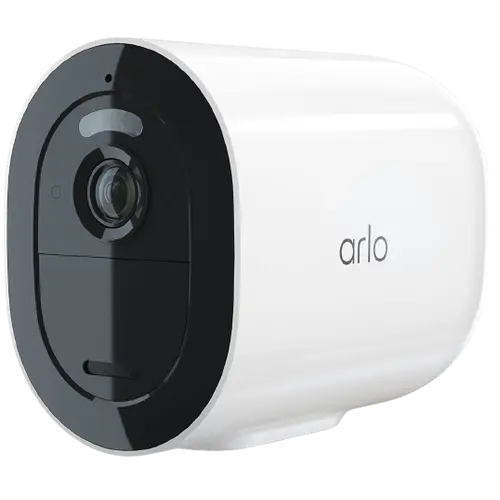


Arlo Go 2 Review: The LTE Camera for No-WiFi Sites, Weighed Down by Costs and Support
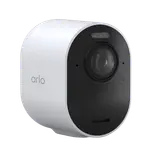
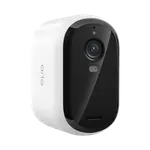
The Arlo Go 2 is built for one thing: watching places with no Wi-Fi. It runs on 4G/LTE with a SIM card (and can also use Wi-Fi when available), making it a favorite for barns, farms, remote land, vacant rentals and job sites. It shoots 1080p, has a spotlight, GPS, color night vision, a loud siren, two-way audio and a removable long-life battery, and integrates into an existing Arlo system. But the rating is held down by real friction: cellular carrier compatibility is confusing and limited (owners report it works with AT&T and US Cellular but not as a camera on Verizon), you pay both a carrier data plan and an Arlo subscription, recordings depend on that subscription even with local storage, customer service is widely described as nearly unreachable and unhelpful, the box lacks a charging block (and a normal one will not charge it), and a few units failed to water intrusion outdoors. For a genuinely off-grid, no-Wi-Fi location where you accept the running costs, it is one of the few options; for anything with Wi-Fi, a standard Arlo is cheaper and simpler.
- Sites with no Wi-Fi (barns, farms, remote land)
- Vacant properties and job sites
- AT&T or US Cellular users
- Existing Arlo households needing LTE
Pros
- 4G/LTE connectivity works where there is no Wi-Fi (with Wi-Fi as a fallback)
- Ideal for barns, farms, remote land, vacant rentals and job sites
- Removable long-life battery; optional solar panel support
- Good 1080p video, GPS, spotlight and a very loud siren
- Wide motion detection and integrates into an existing Arlo system
- Withstands harsh outdoor temperatures for many owners
Cons
- Limited, confusing carrier support (AT&T/US Cellular, not Verizon as a camera)
- Double monthly cost: a cellular data plan plus an Arlo subscription
- Recordings require the Arlo subscription even with local storage
- Customer service widely reported as nearly unreachable and no refunds
- No charging block included and normal chargers will not charge it
- Some water-intrusion failures outdoors; mediocre night vision; no HomeKit
Who is the Arlo Go 2 for?
This is a cellular security camera for locations without Wi-Fi. Its defining feature is 4G/LTE connectivity via a SIM card (sold separately), with Wi-Fi as a fallback when available, so it can watch a barn, pasture, remote cabin, vacant rental or construction site where a normal camera cannot connect. It shoots 1080p video and adds a spotlight, GPS, color and black-and-white night vision, a siren, two-way audio, and a removable rechargeable battery, with weather resistance for outdoor use. Recordings rely on an Arlo subscription, and it works with Alexa, Google Home, Home Assistant and IFTTT, but not HomeKit. It best suits off-grid and no-Wi-Fi sites, vacant properties, and existing Arlo owners who need one LTE camera. If your location has Wi-Fi, a standard Arlo camera will be cheaper and easier, read the caveats first.
What buyers love
The LTE capability is the whole point, and owners who need it are grateful for it. Farmers and landowners use it to watch tractors, livestock, bush land and metal barns with no Wi-Fi, and rental owners deploy it at vacant properties during rehab, with several praising that it can use either LTE or Wi-Fi. Video quality and features are considered good, the removable long-life battery lasts a long time, and motion detection range exceeds expectations for some. The siren is extremely loud, the app offers plenty of customization and adjustable notifications, and the camera integrates neatly into an existing Arlo system alongside Pro 2 and Pro 5 cameras, sharing the magnetic charging cable. It withstands harsh outdoor temperatures for many owners (well below freezing to around 100F), supports an optional solar panel, includes a long free trial, and may even qualify you for a home or farm insurance discount.
What to know before you buy
The costs and logistics are the big issues. Cellular carrier compatibility is confusing and limited: owners report it works with AT&T and US Cellular but not as a camera on Verizon (only as a hotspot), and some carriers no longer issue SIMs in-store, so getting a plan can be a hassle and one buyer felt the Amazon listing was misleading. You also pay twice each month, once to the cellular carrier for data and again for an Arlo subscription, and recordings depend on that Arlo plan even when you add local storage, so it can get expensive. Customer service is a recurring and serious complaint: owners describe it as nearly unreachable (a bot, no phone number), unhelpful, unable to recognize backup emails, and offering no refunds, with factory resets losing saved recordings. The box does not include a charging block and a standard one will not charge it (owners bought a specific USB-A block), and cameras often arrive at 0 percent. A few units failed within 45 days to water intrusion corroding the charging contacts, first setup is hard with minimal instructions, and night vision is mediocre for some, missing the first several seconds of an event. There is no HomeKit.
Is the Arlo Go 2 worth it?
If you genuinely need to watch a place with no Wi-Fi, a farm, remote land, a vacant property, the Arlo Go 2 is one of the few cameras that can do it, and owners in that situation value the LTE freedom, the removable battery and the loud siren. But go in fully aware this is an expensive, higher-maintenance camera: you must sort out a compatible cellular plan (AT&T or US Cellular, not Verizon as a camera), pay both carrier and Arlo fees, buy a special charging block, and accept that support is weak and recordings need the subscription. Buy it only if the no-Wi-Fi capability is essential and you accept the running costs and setup effort. If your site has Wi-Fi, a standard Arlo will save you money and headaches.
Frequently asked questions
Does the Arlo Go 2 need Wi-Fi?
No, that is its purpose. It runs on 4G/LTE using a SIM card, so it can watch locations with no Wi-Fi such as barns, farms and remote land, and it can also use Wi-Fi when available. You do need cellular coverage at the site and a data plan from a compatible carrier.
Which cellular carriers does it work with?
Owners report it works with AT&T and US Cellular (and Teleguard), but not with Verizon as a camera, only as a hotspot device. Some carriers no longer provide SIM cards in-store, so many buyers get their SIM from AT&T. Confirm carrier compatibility and coverage before purchasing.
What does it cost to run?
More than a Wi-Fi camera. You pay a cellular data plan to your carrier and, separately, an Arlo subscription for recordings, so there are two recurring monthly costs. Recordings rely on the Arlo plan even if you add local storage, so budget for both fees.
How is Arlo's customer service?
A common and serious complaint. Owners describe it as nearly unreachable, with a chatbot and no phone number, unhelpful responses, no refunds, and problems recognizing backup emails, with factory resets losing saved recordings. Several regret the purchase specifically because of support, so weigh this heavily.
Does it come with everything to start?
Not quite. The SIM card is sold separately, and the box does not include a charging block, with owners reporting that a normal charger will not charge it, so you may need to buy a specific USB-A block. Cameras also often arrive at 0 percent, so plan to charge and source a SIM before setup.