


Eufy 4G LTE Cam S330 Review: Excellent Off-Grid 4K Camera, Weak on Animal Detection
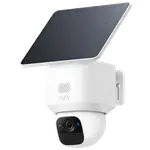
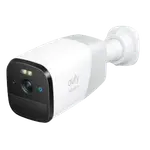
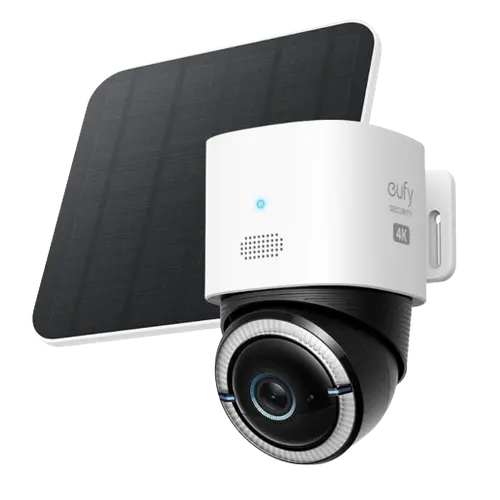
The Eufy 4G LTE Cam S330 is built for places with no Wi-Fi: it runs on 4G LTE with your own SIM (or Wi-Fi when available), is solar-powered, shoots 4K, pans and tilts, and stores footage locally on a microSD card with no cloud subscription. Owners who need off-grid coverage love it, for rural land, chicken coops, storage buildings, gates and rebuild sites, praising the sharp 4K (readable truck names and plates), the reliable connection (often better than Reolink, Ring or dedicated trail cameras), the solar panel that keeps it near 100 percent, and the freedom to use cheap third-party data rather than a locked-in monthly fee. The main weaknesses: motion detection is poor for wildlife (the AI tracks only people and vehicles, not animals, and floods the card with shadow and leaf false alerts while missing the animal), the app pushes a cloud backup that this camera does not actually support, cellular compatibility varies by country and carrier (it fails on some networks), the mount is flimsy, and it is bright white rather than camo. As an off-grid security camera it is very good; as a wildlife trail cam, it disappoints.
- Off-grid and no-Wi-Fi security
- Rural land, gates and outbuildings
- Local microSD storage without cloud fees
- Owners who want to use their own SIM data
Pros
- Dual 4G LTE and Wi-Fi: works off-grid with your own SIM, no monthly lock-in
- Sharp 4K video, sharp enough to read names and plates
- Solar panel keeps it near full charge with no batteries to change
- Local microSD storage with no cloud subscription (SIM and 32GB card included)
- More consistent connection than many cellular PTZ and trail cameras
- Wide pan and tilt, bright spotlight, and reliable person/vehicle tracking
Cons
- Poor for wildlife: AI tracks only people and vehicles, floods the card with false alerts
- High data use if left streaming; best turned off between viewings
- App pushes a cloud backup the camera does not actually support
- Cellular compatibility varies by country and carrier (fails on some networks)
- Flimsy mount with no anti-theft locking; bright white (not camo) body
- No HomeKit, SmartThings or IFTTT; large, less intuitive app
Who is the 4G LTE Cam S330 for?
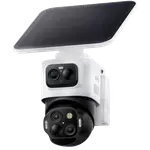
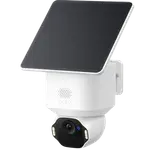
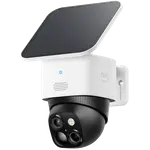
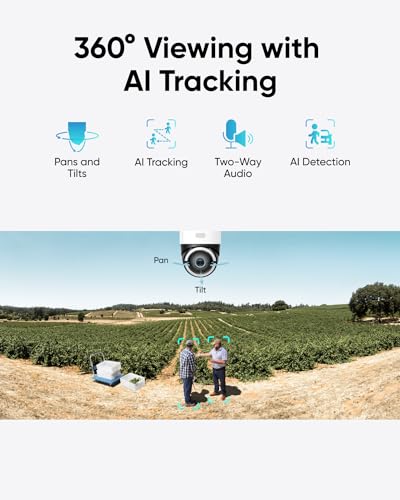
This is a cellular, solar-powered outdoor camera for locations without Wi-Fi. It runs on 4G LTE using your own SIM (with Wi-Fi as a duo-mode fallback), shoots up to 4K, pans about 344 degrees and tilts, and has color and black-and-white night vision, a spotlight, a siren, two-way audio and AI tracking. It stores footage locally on a microSD card (a 32GB card and a SIM are included) with no cloud subscription, and it charges via an included solar panel. It works with Alexa, Google Home and Home Assistant, but not HomeKit, SmartThings or IFTTT. It best suits off-grid security on rural land, gates, coops and outbuildings, and anyone who wants local storage and their own cheap SIM data instead of a locked-in monthly fee. If your main goal is wildlife trail-cam use, read the caveats first, animal detection is its weak spot.
What buyers love
The off-grid capability is the whole appeal, and it delivers. Owners deploy it where Wi-Fi cannot reach, rural gates, chicken coops, storage buildings, and homes being rebuilt with no power, and praise that it runs on 4G LTE with your own SIM (automatically picking the strongest carrier) and falls back to Wi-Fi. The cost model is a highlight: rather than a manufacturer subscription, you buy cheap third-party data (often 5 to 8 dollars a month for plenty of video), far less than dedicated trail cameras. The 4K video is called excellent, sharp enough to read names on trucks, and beats rivals' lower-resolution claims. The solar panel keeps it near 100 percent charge even with limited direct sun, so there are no batteries to change, and the pan/tilt covers a wide area. Storage is local on the included microSD with no cloud fee. Owners repeatedly note the connection is far more consistent than other cellular PTZ or trail cameras (several tried Reolink, Ring or Spypoint and found this more reliable), the lens does not fog, setup is easy, and customer service is helpful.
What to know before you buy
The biggest limitation is wildlife detection. The AI tracks only people and vehicles, not animals, so owners using it as a trail cam report thousands of empty clips triggered by moving shadows and leaves while it misses the actual animal, and motion sensitivity is limited so subjects must be relatively close. If you want to catch coyotes, deer or bobcats, this is a real weakness. Data use is high if you leave it streaming, so many owners turn it off and only view on demand to conserve their plan. The app pushes a cloud backup subscription that this camera does not actually support, and you only discover that after paying, so avoid it and rely on the microSD. Cellular compatibility varies: it fails on some networks (owners in Australia report it does not work on local 4G), Verizon would not add it to a data-only IoT line for one owner, and a few units had faulty SIM readers, so verify your carrier and country before buying. The mount is flimsy with no anti-theft locking, the camera is bright white rather than camo (owners paint it), the Eufy app is large and not very intuitive, and there is no external antenna for weak-signal areas. There is no HomeKit, SmartThings or IFTTT.
Is the 4G LTE Cam S330 worth it?
If you need to watch a place with no Wi-Fi, rural land, a gate, an outbuilding, a rebuild site, and you want 4K, solar power, local storage and cheap SIM data instead of a locked-in subscription, the Eufy 4G LTE Cam S330 is one of the better options, and owners consistently find it more reliable than cellular trail cameras and pricier rivals. Just match it to the right job. For human and vehicle security monitoring it is excellent; for capturing wildlife it falls short, since the AI ignores animals and the motion detection floods the card. Also confirm your cellular carrier and country are supported, expect a flimsy mount and a white body, and ignore the cloud subscription prompt. Buy it for off-grid security; look elsewhere if you need a dedicated wildlife trail cam or your carrier is unsupported.
Frequently asked questions
Does it work without Wi-Fi?
Yes, that is its purpose. It runs on 4G LTE using your own SIM and automatically picks the strongest carrier, so it works off-grid, and it can also use Wi-Fi in duo-mode when available. You do need cellular coverage at the site, and there is no external antenna, so very weak-signal locations can be marginal.
Is it good as a wildlife trail camera?
Not really. The AI tracking works for people and vehicles but not animals, and owners using it for wildlife report thousands of empty clips from moving shadows and leaves while missing the actual animal, plus limited motion sensitivity that needs subjects close. For human and vehicle security it is strong, but dedicated trail cameras catch wildlife better.
Do I have to pay a monthly subscription?
Not to Eufy. Storage is local on the included microSD card with no cloud fee, and cellular service uses your own SIM, so you buy cheap third-party data (often a few dollars a month). Note the app pushes a cloud backup subscription that this camera does not actually support, so ignore that prompt.
Will it work on my cellular carrier?
Check first. Compatibility varies by country and carrier: owners report it does not work on some networks (for example in Australia), Verizon would not add it to a data-only IoT line for one owner, and a few units had faulty SIM readers. Confirm your carrier and region are supported before buying.
How does it stay charged?
It comes with a solar panel that keeps the built-in rechargeable battery topped up, and owners report it staying near 100 percent even with limited direct sunlight, so there are no batteries to swap. Heavy streaming uses more power and data, so many owners view on demand rather than leaving it running.