


Reolink TrackMix PoE Review: Dual-Lens Auto-Tracking PTZ With No Fees, Once You Tune It
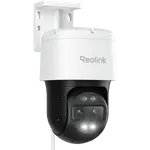
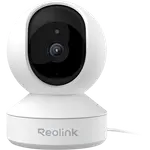
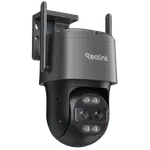
The Reolink TrackMix PoE is a 4K PTZ camera with a dual-lens design (a wide lens plus a telephoto zoom) and AI auto-tracking that pans, tilts and zooms to follow people, all over a single PoE cable with no subscription. Owners love that the tracking, when configured right, is genuinely ahead of pricier PTZ cameras: it locks onto a pedestrian, centers both lenses, zooms in on the subject and returns home afterward. The wide 4K image is sharp, PoE makes it rock-solid, storage is fully local (microSD or NVR) with open RTSP/ONVIF for third-party systems, and it is excellent value. The catches: physical tracking can point the wrong way out of the box until you switch the tracking method, the telephoto lens disappoints beyond about 30 feet, the image blurs briefly each time it moves, the built-in white light is unreliable, and motion detection needs tuning. It works with Google and Home Assistant but not Alexa or HomeKit. For a subscription-free auto-tracking PTZ you can run a cable to and are willing to configure, it is a standout value.
- Subscription-free auto-tracking PTZ coverage
- Wired PoE reliability
- Blue Iris, NVR and RTSP users
- Driveways and yards needing to follow movement
One camera per entrance you want covered.
Buy on Amazon USACheck pricePros
- Dual-lens design with AI auto-tracking that follows and zooms on subjects
- Rock-solid wired PoE: one cable for power and data
- Sharp 4K wide image; visible tracking deters intruders
- No fees: fully local storage (microSD or NVR) plus open RTSP/ONVIF
- Accurate person/vehicle/pet detection with always-record and type filters
- Excellent value; recent firmware improved night performance
Cons
- Physical tracking can point the wrong way until you change the tracking method
- Telephoto lens disappoints beyond ~30 feet; zoom stream can lag
- Image blurs briefly each time the camera moves
- Built-in white light is unreliable (triggers on rain/insects or misses people)
- Motion detection needs tuning; weaker person detection and no plate-reading at night
- 256GB microSD limit; plastic can yellow; requires an Ethernet cable; no Alexa or HomeKit
Who is the TrackMix PoE for?
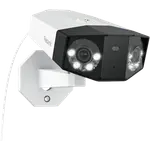
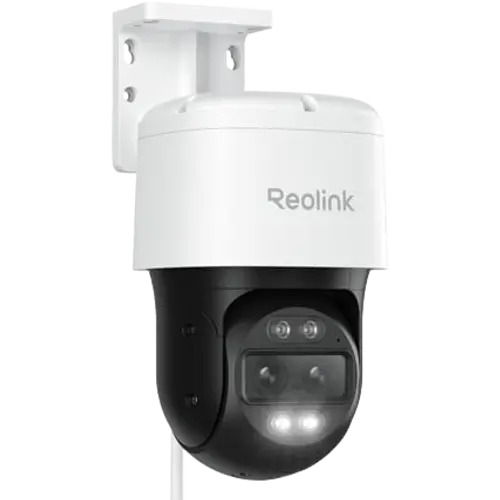
This is a wired 4K PoE PTZ camera for people who want one camera to cover a wide area and actively follow movement. It has a dual-lens design, a wide lens plus a telephoto zoom (up to 6x hybrid), pans about 355 degrees and tilts 90, and uses AI to auto-track people, vehicles and pets. It adds color and IR night vision, a spotlight, a siren, two-way audio, and customizable motion and privacy zones. Power and data run over a single PoE Ethernet cable, storage is fully local on a microSD card or a Reolink NVR with no cloud requirement, and it supports open RTSP/ONVIF for third-party systems. It works with Google Home and Home Assistant, but not Alexa, HomeKit, SmartThings or IFTTT. It best suits subscription-free auto-tracking coverage, wired reliability, and Blue Iris/NVR users. If you cannot run a cable, or you need reliable tracking and telephoto detail out of the box, read the caveats first.
What buyers love
The dual-lens auto-tracking is the standout. Owners repeatedly say Reolink's tracking is well ahead of pricier PTZ cameras: it locks onto a pedestrian, moves to center both lenses, zooms in with the telephoto while keeping the wide view, follows them, and returns to a home position, which several find genuinely impressive and a strong deterrent (the visible tracking scares off intruders). PoE is a big plus, one cable for power and data means rock-solid reliability with no Wi-Fi dropouts, and setup is straightforward once the cable is run. The 4K image is called crystal clear, and storage is fully local (microSD or NVR) with no subscription, which many buyers specifically choose it for, plus open RTSP/ONVIF that works with SecuritySpy, Blue Iris and third-party NVRs. AI person, vehicle and pet detection is accurate, there is an always-record mode with type filters (person, vehicle, animal) so you never miss an event, it runs entirely without internet, and it is excellent value for a mid-range PoE camera. Owners with several praise the fast, fine pan control, the multi-camera PC app, and note a recent firmware update markedly improved night performance and removed ONVIF lag.
What to know before you buy
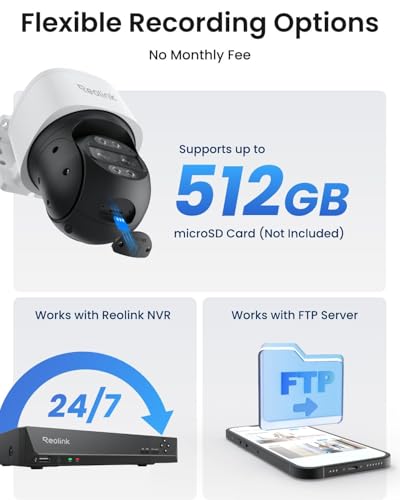
Tracking and the telephoto are the main friction. Out of the box, if the tracking method is set to anything but digital or pan/tilt-first, physical tracking can point away from the subject about 20 percent of the time (even at a wall), so you must change the setting to make it center properly. The telephoto lens disappoints at distance: beyond roughly 30 feet it is no better than digitally zooming the main image, and the zoom stream can lag a few seconds behind the wide one. The image also blurs for about half a second each time the camera moves as it refocuses and re-exposes. The built-in white light is unreliable, triggering on rain and insects or failing to turn on for a person, and can annoy neighbors at high sensitivity. Motion detection is oversensitive out of the box (leaves, wind) and needs tuning, person detection is weak at night, and the older exposure hardware cannot read license plates in the dark, with grainy IR for some. Note the microSD limit is really 256GB (not the 512GB some listings imply), the internal SD recording can occasionally miss events (a pro installer recommends an NVR), the plastic is not UV-stabilized and can yellow over months, and support can be slow. It also requires running an Ethernet cable and has no Alexa or HomeKit.
Is the TrackMix PoE worth it?
For a subscription-free auto-tracking PTZ camera you can wire in, the Reolink TrackMix PoE is a standout value: the dual-lens tracking is genuinely clever, PoE makes it reliable, storage is fully local with open RTSP for NVRs, and the price is hard to beat. Its high rating reflects how much camera you get for the money. Just plan to configure it: set the tracking method correctly so it centers on subjects, tune motion sensitivity to cut false alerts, and treat the telephoto as useful mainly for closer subjects. Also weigh the movement blur, unreliable light, weaker night person detection, and the 256GB card limit, and record to an NVR for critical footage. Buy it if you want smart tracking, local storage and PoE reliability and do not mind tweaking settings; if you need flawless out-of-the-box tracking, strong long-range telephoto, or Alexa/HomeKit, weigh those limits first.
Frequently asked questions
How well does the auto-tracking work?
When set up correctly, very well: it locks onto a person, centers both lenses, zooms in with the telephoto, follows them and returns home. The catch is that out of the box, with the wrong tracking method selected, physical tracking can point away from the subject about 20 percent of the time, so switch to digital or pan/tilt-first tracking to make it center properly.
Do I need a subscription?
No. Storage is fully local with no monthly fee, recording to a microSD card or a Reolink NVR, and it supports open RTSP/ONVIF for Blue Iris, SecuritySpy and third-party NVRs. Many owners choose it specifically to escape cloud subscriptions. Note the practical microSD limit is 256GB, despite some listings implying 512GB.
Is the telephoto zoom lens useful?
For nearer subjects, yes, but it disappoints at distance. Beyond about 30 feet, owners find the second (zoom) lens no sharper than digitally magnifying the main image, and its stream can lag a few seconds behind the wide view. It helps recognize figures being tracked up close rather than reading fine detail far away.
Does it need Wi-Fi?
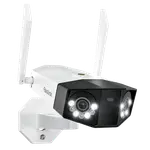
No, this is the PoE model, so a single Ethernet cable carries both power and network for rock-solid reliability with no Wi-Fi dropouts. The trade-off is running that cable to the mounting point. There is also a separate TrackMix WiFi version if you prefer wireless.
Does it work with HomeKit or Alexa?
No. It works with Google Home and Home Assistant, and integrates with NVRs via RTSP/ONVIF, but not Apple HomeKit, Alexa, SmartThings or IFTTT. It is best suited to Google, Home Assistant or open NVR-based setups.