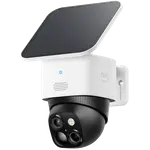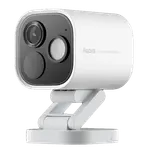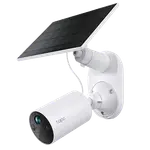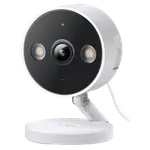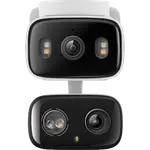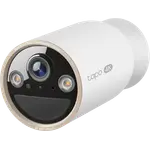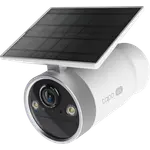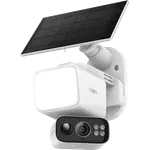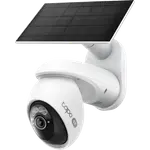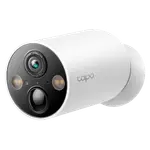



TP-Link Tapo SolarCam C402 Review: Cheap Solar Coverage With No Fees, but Reliability Is a Gamble
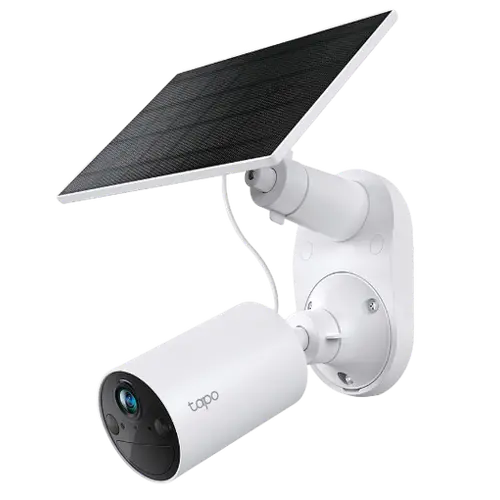
The TP-Link Tapo SolarCam C402 is an inexpensive, fully wireless outdoor camera whose solar panel keeps the battery topped up, and which stores footage locally with no subscription. When it works, owners like the 1080p picture, the solar charging that holds the battery near 100 percent, the easy install with quality stainless hardware, the AI person and vehicle detection with animal exclusion and zones, and the advanced battery-monitoring app. The problem is reliability, which is a real gamble: owners report units failing within months, fogging up inside after rain, or stopping recording for hours (one missed a theft). Worse, several report being shipped an older hardware version (1.26) that drains battery fast, will not reconnect after any Wi-Fi drop, and is incompatible with modern routers, alongside the good newer version (2.6). Support is widely criticized (slow or silent, and you pay return shipping on warranty). The auto light does not turn on with motion, and it is 2.4GHz-only with no HomeKit. For a cheap, subscription-free solar camera when you get a good unit, it is decent value; but the inconsistency is a genuine risk.
- Subscription-free solar outdoor coverage
- Tapo ecosystem owners
- Off-grid or no-outlet placement
- Budget monitoring with local storage
One camera per entrance you want covered.
Buy on Amazon USAPros
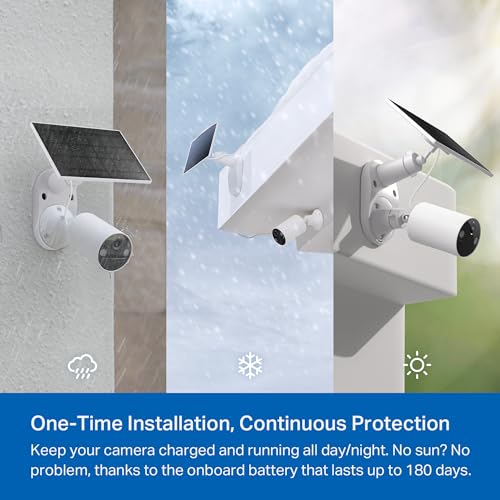
- Solar panel keeps the battery near 100 percent with no manual recharging
- Subscription-free local microSD storage (up to 512GB), plus hub or cloud options
- Clear 1080p video with color and IR night vision
- AI person and vehicle detection with zones and animal exclusion
- Easy install with quality stainless hardware; advanced battery-monitoring app
- Affordable, especially within the Tapo ecosystem
Cons
- Reliability varies: units fail early, fog up after rain, or stop recording
- Some buyers get an older hardware version (1.26) with heavy battery drain
- That older version won't reconnect after Wi-Fi drops and fails on modern routers
- Poor, slow support; warranty returns charge the customer for shipping
- The light does not turn on automatically with motion; motion detection can miss events
- 2.4GHz Wi-Fi only; no HomeKit; some beta features non-working
Who is the SolarCam C402 for?
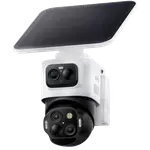
This is a fully wireless, solar-powered outdoor camera for people who want affordable coverage without wiring or fees. It shoots 1080p with a 111-degree view, color and black-and-white night vision, a spotlight, two-way audio, a siren, and AI person and vehicle detection with customizable zones. It runs on a rechargeable battery topped up by an included solar panel, connects over 2.4GHz Wi-Fi, and stores footage locally on a microSD card (up to 512GB) with no subscription, or optionally to a hub or the cloud. It works with Alexa, Google Home and Home Assistant, but not HomeKit, and it does not support RTSP or ONVIF. It best suits subscription-free solar coverage, existing Tapo owners, off-grid spots with no outlet, and budget monitoring. If you need dependable long-term reliability or strong support, read the caveats first, this is where it stumbles.
What buyers love
Value and solar convenience lead the praise. The solar panel keeps the battery near 100 percent for many owners, holding a full charge through rain and heavy sun with no manual recharging, and the whole kit is cheap, especially appealing to owners who already run several Tapo cameras. Storage is subscription-free on a microSD card (up to 512GB), with hub and cloud as alternatives, and the 1080p video is clear day and night, with color night vision via a white light or black-and-white IR. AI person and vehicle detection works well with zones and the ability to exclude animals (handy in areas with deer and foxes). Installation is easy, with separate mounts for the camera and panel, quality stainless-steel hardware, adhesive drill templates, and an extra cable, and it holds position in high winds. Two-way audio is good, the app is full-featured with an advanced battery monitor showing usage and solar-charging graphs, notifications reach phone and tablet, and it can even run on a PC via an Android emulator.
What to know before you buy
Reliability is the major concern and it varies unit to unit. Owners report cameras failing within two to seven months, fogging up internally after rain (the solar-cable seal is just a rubber boot that looks prone to leaking), or simply stopping recording for hours, one owner missed a theft because the camera went dark for ten hours. A detailed, recurring complaint is mixed hardware versions: some buyers received an older 1.26 version alongside the good 2.6, and the older one drains battery far faster (dropping to 80 percent in two cloudy days versus 99 percent on the 2.6), refuses to reconnect after any Wi-Fi disruption (requiring a long router reboot or factory reset), and is incompatible with modern routers (one owner had to buy an old router to pair it). Support is widely criticized: slow or entirely silent for months, RMAs that repeat the same questions, and warranty returns where the customer pays shipping (roughly half the camera's price). Some also find motion detection unreliable (missing events or misidentifying person versus vehicle), the light does not automatically turn on with motion (only via the app), some advanced solar/battery features are non-working betas, and the app is quirky. It is 2.4GHz-only with no HomeKit.
Is the SolarCam C402 worth it?
As a cheap, subscription-free solar camera, the Tapo SolarCam C402 can be good value, when you get a good unit: solid solar charging, decent 1080p video, useful AI detection and local storage. The trouble is consistency. Enough owners report early failures, internal fogging, dropped recordings, and, notably, being shipped an older hardware version with severe battery drain and reconnection problems, that reliability is a genuine gamble, made worse by weak, slow support and paid return shipping on warranty. If you buy, check the hardware version, seal it well against rain, and register within any easy return window. Choose it if you want inexpensive solar coverage with no fees and accept the risk; if you need dependable long-term reliability, strong support, or HomeKit, weigh those limits, or consider a more proven camera, first.
Frequently asked questions
Do I need a subscription?
No. It records locally to a microSD card (up to 512GB) with no fee, and can also use a hub or optional cloud. Most features are local and free, which is a main reason owners choose it. Only remote clip downloads and some extras benefit from the paid cloud.
How is the reliability?
Inconsistent, and it is the biggest concern. Owners report cameras failing within months, fogging up inside after rain, and occasionally stopping recording for hours. A recurring issue is being shipped an older hardware version (1.26) that drains battery quickly and will not reconnect after Wi-Fi drops, so check your unit and test it thoroughly during any return window.
How is the solar and battery life?
For good units, excellent: the solar panel keeps the battery near 100 percent through rain and heavy sun with no manual charging. But an older hardware version (1.26) that some buyers receive drains far faster, dropping to 80 percent in a couple of cloudy days, so performance depends heavily on which version you get.
Does the light turn on automatically at night?
No, and owners flag this as a miss. The white light can be switched on from the app, but it does not automatically illuminate when motion is detected, so it does not act as a motion-triggered deterrent light the way some cameras do. Night recording still works via IR.
What is Tapo's support and warranty like?
Widely criticized. Owners report slow or completely silent support (some waiting months with no reply), RMA processes that repeat the same questions, and warranty returns where the customer pays return shipping, which can cost nearly half the camera's price. Factor this in given the reliability variability.