


Amazon Echo Show 15 Review: The Big-Screen Family Hub With Built-In Fire TV
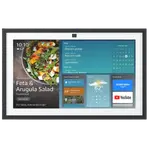
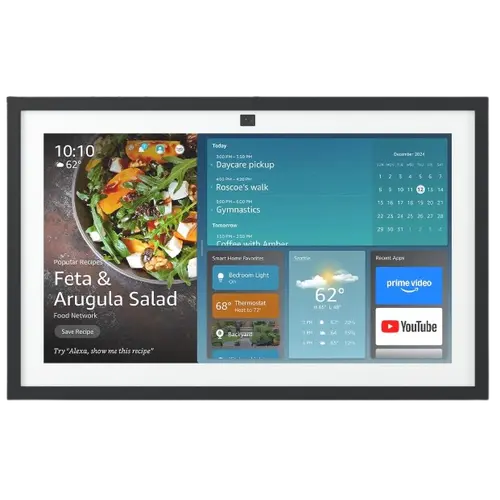
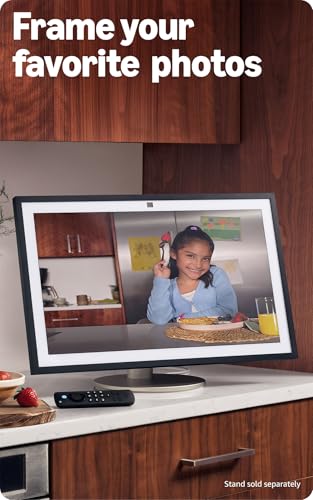
The Echo Show 15 is Amazon's large-format smart display: a 15.6-inch Full HD screen you can wall-mount like a digital noticeboard or set on a stand, with widgets for calendars, weather, reminders and shopping lists, plus built-in Fire TV with a remote so it works as a kitchen TV. It includes Alexa (with Alexa+), a camera with a privacy shutter, and a Zigbee/Thread/Matter hub. The downsides are the premium price, on-screen ads (which can be reduced), and an Alexa+ experience that still feels unfinished.
- Alexa households
- Kitchen command centers / family hubs
- Streaming as a second TV
- Zigbee/Thread/Matter hubs
Pros
- Large 15.6-inch Full HD screen, wall-mountable or on a stand
- Built-in Fire TV with remote for streaming as a kitchen TV
- Customizable widgets make it a great family command center
- Hands-free Alexa (including Alexa+) and a camera with privacy shutter
- Built-in Zigbee coordinator, Thread border router and Matter bridge
- Easy setup and good sound for its size; great for viewing Ring cameras
Cons
- Premium price
- On-screen ads on the home screen (many can be disabled)
- Alexa+ still feels immature and does not work in portrait orientation
- Heavily dependent on Alexa being available
- Alexa-only (no Google Assistant or HomeKit)
- Sound-based safety alerts require a subscription
Who is the Amazon Echo Show 15 for?
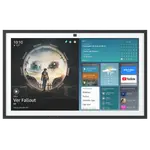
This is a big-screen smart display for households that want a central family hub, typically in the kitchen. The 15.6-inch Full HD touchscreen mounts on a wall (or sits on an optional stand) and acts as a digital noticeboard with customizable widgets: shared calendar, weather, reminders, shopping and to-do lists. Built-in Fire TV with the included remote turns it into a streaming TV (Netflix, Hulu, YouTube and more), and it runs Alexa (including Alexa+) hands-free. It has a camera with a privacy shutter for video calls, and works as a Zigbee coordinator, Thread border router and Matter bridge. It is Alexa-only (no Google or HomeKit), so it suits Alexa-centric homes wanting one large, do-everything display.
What buyers love
The large screen and Fire TV are the highlights. Owners love using the bright, sharp 15.6-inch display as a household command center, glancing at calendars, lists and widgets from across the room, and many call it the heart of their kitchen. The built-in Fire TV is repeatedly praised: people stream shows while cooking or cleaning, and several chose it over a separate kitchen TV, finding the picture and surprisingly good sound more than enough. Setup is fast (often under five minutes), the home screen is highly customizable, viewing Ring doorbell and camera feeds on the big screen is a favorite, and it works as a capable smart-home hub. Long-time Echo owners frequently call it the best Echo device they have used.
What to know before you buy
It is expensive, and the most common complaint is on-screen ads and promotional content cluttering the home screen, though owners note many can be turned off in settings. The newer Alexa+ assistant draws criticism for feeling unfinished: mispronouncing things, integrating poorly across devices, and notably not working in portrait orientation (it requires landscape), which is a real limitation if your mounting spot needs portrait. Because so much depends on Alexa, the screen is far less useful if the service has issues. It is Alexa-only (no Google Assistant or HomeKit), the sound-based safety alerts (glass break, smoke/CO) require an Alexa Guard-style subscription, and a few buyers reported reliability concerns with an earlier unit.
Is the Amazon Echo Show 15 worth it?
For Alexa households wanting a large family-hub display that also streams TV, yes, it earns a strong average rating and excels as a kitchen command center and a second screen, with the built-in Fire TV a genuine bonus. Just budget for the premium price, plan to switch off the ads you can, mount it in landscape if you want Alexa+, and accept the Alexa-only ecosystem. If you do not need the big screen or Fire TV, a smaller, cheaper Show will cover the basics.
Frequently asked questions
Can the Echo Show 15 be used as a TV?
Yes. It has Fire TV built in and comes with a voice remote, so you can stream Netflix, Hulu, YouTube and other apps directly, which makes it popular as a kitchen or secondary TV alongside its smart-display features.
Can it be wall-mounted?
Yes. It is designed to mount flat on a wall like a digital picture frame or noticeboard, and can also sit on an optional stand. Note that the Alexa+ assistant currently requires landscape orientation rather than portrait.
Does it work as a smart home hub?
Yes. It acts as a Zigbee coordinator, a Thread border router and a Matter bridge, so it can connect compatible devices directly, in addition to controlling Wi-Fi devices through Alexa.
Does it show ads, and can I remove them?
It does display Amazon promotional content on the home screen, which is a common complaint. Many of these can be turned off in the settings to keep the display cleaner, though not every promotional element can be fully removed.
Does it work with Google Home or Apple HomeKit?
No. It is an Alexa device and works with Amazon Alexa only (including Alexa+). It does not support Google Home/Assistant or Apple HomeKit, and Home Assistant support is partial.