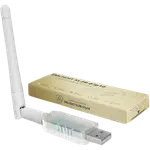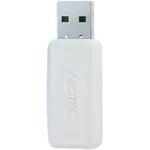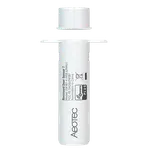



Aeotec Z-Stick 7 Review: A Reliable Z-Wave 700 USB Stick for Home Assistant, After the Firmware Update
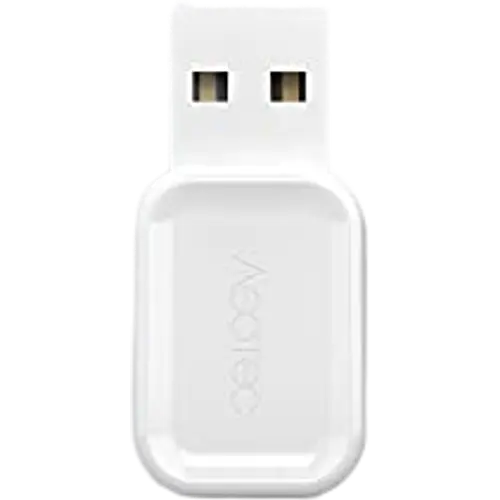
The Aeotec Z-Stick 7 is a tiny USB Z-Wave 700 controller (no Zigbee) that turns a Raspberry Pi, NUC or server into a Z-Wave hub for platforms like Home Assistant, openHAB and ioBroker. Owners praise how well it works with Home Assistant and Z-Wave JS, its long-term stability (some run it for years with a dozen mixed-brand sensors and no dropouts), its snappy response versus older 500-series sticks, and how painlessly it migrates an existing Z-Wave network. The recurring frustrations are the shipping firmware and build: units often arrive with old, buggy firmware (and, in the US, set to the EU frequency) that you must update before use, a technical two-step process that can cost hours or even brick the stick, and the plastic USB connector feels cheap and flimsy. A few owners hit device-pairing issues (notably some S2 locks) or range that needs a USB extension cable. It supports only Z-Wave, not Zigbee, Thread or Matter. For a Home Assistant user who needs a dependable Z-Wave 700 stick and will do the firmware update, it is a solid, stable choice.
- Home Assistant Z-Wave setups
- openHAB and ioBroker users
- Dependable long-term Z-Wave hubs
- Migrating from an older Z-Stick
Pros
- Works excellently with Home Assistant (Z-Wave JS), openHAB and ioBroker
- Very stable long-term, with years of dropout-free operation for many owners
- Snappy response, a clear step up from older 500-series sticks
- Good range across multiple floors (a USB extension helps if marginal)
- Easy migration from an older Z-Stick via backup and restore
- Tiny, with S2 and SmartStart, and full configuration in Z-Wave JS UI
Cons
- Ships with old, buggy firmware that must be updated (and reset from EU frequency in the US)
- Firmware update is technical and can brick the stick
- Flimsy plastic USB connector with loose or faulty pins on some units
- A minority hit pairing issues (notably some S2 locks) or exclude problems
- Relatively expensive; no practical include/exclude button or external antenna
- Z-Wave only, no Zigbee, Thread or Matter
Who is the Z-Stick 7 for?
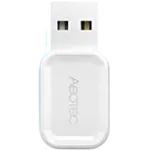
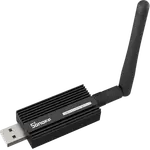
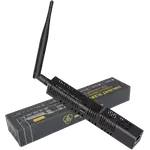
This is a compact USB Z-Wave 700 Series controller (Silicon Labs, +9.3 dBm transmit power, S2 and SmartStart) for DIY smart homes that want a local Z-Wave hub. It plugs into a Raspberry Pi, NUC or server and works with Home Assistant (via Z-Wave JS or Z-Wave JS UI), as well as openHAB, ioBroker and ComfortClick. It has no Wi-Fi or Ethernet of its own, and, importantly, it is Z-Wave only, with no Zigbee, Thread or Matter. It best suits Home Assistant Z-Wave setups, openHAB and ioBroker users, and anyone wanting a dependable long-term Z-Wave controller or migrating from an older Aeotec stick. If you need Zigbee in the same stick (consider the Z-Stick 10 Pro), or a plug-and-play experience with no firmware step, read the caveats first.
What buyers love
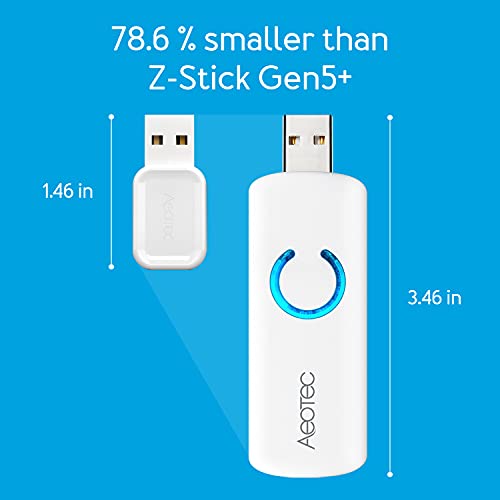
Reliability and Home Assistant support win owners over. It works excellently with Home Assistant and Z-Wave JS, detected instantly and essentially plug-and-play (after the firmware update), and also runs well on openHAB, ioBroker and other platforms across Raspberry Pi, NUC and Proxmox VM hosts. Stability is a highlight: owners report years of trouble-free operation with a dozen or more mixed-brand sensors (Devolo, ABUS, FIBARO, Danfoss, Aeotec), smoke detectors, garage openers and locks, with no dropouts. It is noticeably snappier than older 500-series and Gen5 sticks, offers good range (covering three floors or devices 10 meters away, sometimes with a USB extension cable), and migrating an existing network from an older Z-Stick is straightforward via backup and restore in Z-Wave JS UI. It is very small and neat, supports S2 and SmartStart, and can be fully configured and backed up through the Z-Wave JS UI, all reasons owners recommend it for Home Assistant.
What to know before you buy
Two issues recur. First, the shipping firmware: units frequently arrive with old, buggy firmware (and, in the US, set to the EU frequency), and you should update it before adding devices. The process, done through Z-Wave JS UI, is a technical two-step update and, as several owners note, is a pain, can cost hours (especially remembering to switch the US units back from the EU frequency afterward), and one owner bricked the stick and had to re-flash it with nodejs. Second, the build feels cheap: the plastic USB connector is a molded rectangle with a board wedged in, and some owners got loose pins or a faulty unit that dropped connection, with the middle contact coming loose if inserted upside down. Beyond that, a minority hit pairing problems, some Quickset S2 deadbolts would connect but not respond, and one owner could not exclude a device without falling back to an older controller, or found the range needs a USB extension cable to see all devices. One unit failed to connect to anything at all. It is also relatively expensive, has no practical physical include/exclude button, no external antenna option, and no Zigbee, Thread or Matter.
Is the Z-Stick 7 worth it?
For a Home Assistant, openHAB or ioBroker user who wants a dependable, local Z-Wave 700 controller, the Aeotec Z-Stick 7 is a solid, stable choice that many run for years without issue, with snappy response and easy migration from older sticks. The main things to accept are the setup and build: plan to update the outdated shipping firmware before use (and, in the US, switch it off the EU frequency), handle the flimsy USB connector gently, and add a USB extension cable if range is marginal. Verify your Z-Wave devices pair cleanly, since a few S2 locks and edge cases have caused trouble. Buy it if you need Z-Wave specifically and value long-term stability; if you also want Zigbee in one stick, look at the Z-Stick 10 Pro, and if you want a firmware-free, rugged plug-and-play controller, weigh those limits first.
Frequently asked questions
Do I need to update the firmware?
Almost always, yes. Units frequently ship with old, buggy firmware, and US buyers often receive it set to the EU frequency. You should update it through Z-Wave JS UI before adding devices, a technical two-step process that owners find fiddly (and one bricked a stick), so budget time and, in the US, remember to switch it to the US frequency afterward.
Does it do Zigbee too?
No. The Z-Stick 7 is Z-Wave only, with no Zigbee, Thread or Matter. If you want both Z-Wave and Zigbee from a single stick, Aeotec's newer Z-Stick 10 Pro combines both radios; the Z-Stick 7 is a dedicated Z-Wave 700 controller.
Does it work with Home Assistant?
Yes, and it is the main use. Owners run it with Home Assistant via Z-Wave JS or Z-Wave JS UI, where it is detected instantly and essentially plug-and-play after the firmware update, and it can be fully configured and backed up there. It also works with openHAB, ioBroker and other platforms.
How reliable and well-built is it?
The reliability is excellent, many owners run it for years with a dozen or more sensors and no dropouts. The build, however, feels cheap: the plastic USB connector is basic, and some owners got loose pins or a faulty unit. Handle it carefully, and use a USB extension cable if range or contact is an issue.
Will it pair with all my Z-Wave devices?
Usually, but not always. Most owners pair mixed-brand sensors, locks and switches without trouble, but a few report issues, some Quickset S2 deadbolts connect but do not respond, one owner could not exclude a device without an older controller, and one unit failed to connect to anything. Verify your devices pair cleanly during any return window.