

SMLIGHT SLZB-06 Review: An Ethernet/PoE Zigbee Coordinator That Frees You From the USB Port
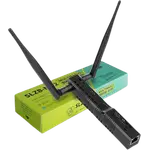
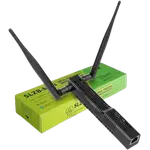
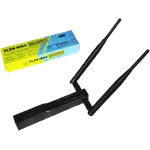
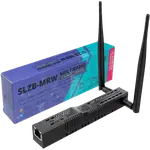
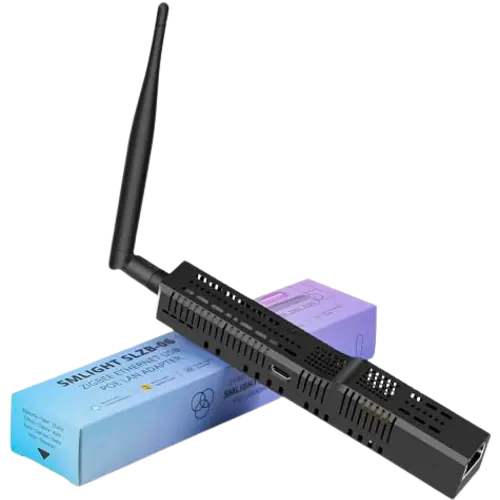
The SMLIGHT SLZB-06 is a Zigbee 3.0 coordinator whose key advantage over a USB dongle is connectivity: it connects over Ethernet (with PoE), Wi-Fi or USB, so you can place it centrally in your home, away from the server and its interference, using a single cable for both network and power. Owners love how it stabilizes a Zigbee network, integrating cleanly with Home Assistant (auto-discovery, Zigbee2MQTT or ZHA, and firmware updates from within HA), delivering strong range from its external antenna, and even acting as a remote coordinator over a Wireguard VPN. It runs dozens of devices with minimal lag and easily migrates an existing Zigbee network. The main caveats: it is large and a bit unsightly compared with a tiny dongle, a minority of units hit stability problems that need frequent power-cycling, and PoE requires a PoE switch. It is Zigbee only, with no Z-Wave, and aimed at Home Assistant, Zigbee2MQTT and ZHA. For a network-connected, flexibly-placed Zigbee coordinator, it is one of the better options.
- Home Assistant Zigbee networks
- Placing the coordinator away from the server
- PoE / Ethernet installations
- Stabilizing a flaky Zigbee mesh
Pros
- Ethernet, PoE, Wi-Fi or USB connectivity, place it anywhere on the network
- PoE carries network and power over a single cable for central placement
- Great range from the external antenna; stabilizes a flaky Zigbee mesh
- Slick Home Assistant integration (auto-discovery, Z2M/ZHA, HA firmware updates)
- Runs dozens of devices with minimal lag; easy migration
- Versatile: can work as a remote coordinator over a Wireguard VPN
Cons
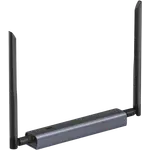
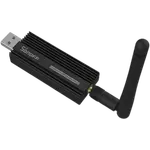
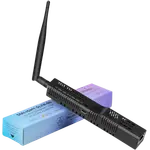
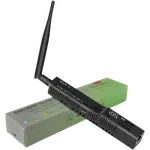
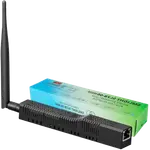
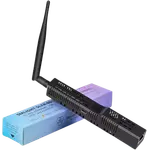
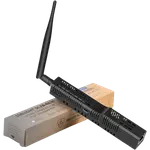
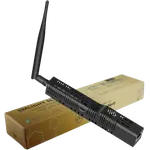
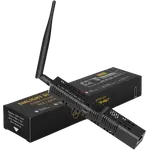
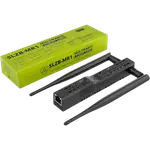
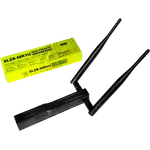
- Large and a bit unsightly compared with a USB dongle
- A minority of units hit stability issues needing frequent power-cycling
- PoE requires a PoE switch
- Zigbee only, no Z-Wave
- Aimed at Home Assistant/Z2M/ZHA rather than commercial hubs
Who is the SLZB-06 for?
This is a Zigbee 3.0 coordinator (Texas Instruments CC2652P) for DIY smart homes that want their Zigbee radio on the network rather than plugged into a USB port. It connects over Ethernet (with PoE), Wi-Fi or USB, has an external antenna (+5dB) and +20 dBm of transmit power for range, and also functions as a Zigbee router, Thread border router and Bluetooth proxy. It is designed for Home Assistant with Zigbee2MQTT or ZHA. It has no Z-Wave. It best suits Home Assistant Zigbee networks, anyone wanting to place the coordinator centrally and away from the server's interference, PoE/Ethernet installations, and users trying to stabilize a flaky Zigbee mesh. If you want the smallest possible form factor, Z-Wave support, or use a commercial hub rather than Home Assistant, read the caveats first.
What buyers love
The network connectivity is the headline. Because it connects over Ethernet (and PoE), owners can locate it centrally, anywhere a network cable reaches, rather than being tethered to a USB port next to the server, and with PoE a single cable carries both network and power. This central placement, plus the external antenna and amplifier, gives excellent range (one owner covers a 50-meter space and catches every device). Integration with Home Assistant is slick: it is auto-discovered on the same network, you install the suggested integrations, run it with Zigbee2MQTT or ZHA, and can even push firmware updates from within Home Assistant. Owners repeatedly say it stabilized a previously flaky Zigbee network, fixing the problems they had with cheap USB dongles like the ZBDongle-E, and running around 50 devices with only about a second of worst-case lag. Migrating an existing Zigbee network works out of the box, response is fast, and it is compatible with any Zigbee device (Third Reality, Lutron, Google Home and more). It is also surprisingly versatile, one owner runs it as a Wireguard VPN client to serve as a coordinator on a remote network, and it supports DDNS. It comes with everything needed to install.
What to know before you buy
Two caveats stand out. First, size: it is large and a bit unsightly compared with a tiny USB dongle, so it is more visible wherever you place it. Second, stability is not universal, while most owners call it rock-solid, a minority report the opposite: one had to power-cycle it every few hours to days due to errors, and countless resets and re-setups did not resolve it, so they returned to a cheap set-and-forget dongle. This variability (whether unit, firmware or configuration) is worth knowing for a device meant to be reliable infrastructure. Also, to use PoE you need a PoE switch (otherwise use USB or a power adapter). It is Zigbee only, with no Z-Wave, and it is aimed at Home Assistant, Zigbee2MQTT and ZHA rather than commercial hubs. Beyond these, complaints are few, and most owners are very satisfied.
Is the SLZB-06 worth it?
For a Home Assistant Zigbee setup, the SMLIGHT SLZB-06 is a strong choice: putting the coordinator on Ethernet/PoE lets you place it centrally for better range and stability, it integrates cleanly with Home Assistant and Zigbee2MQTT (including firmware updates from HA), and for many owners it turned a flaky Zigbee mesh rock-solid. The trade-offs are that it is physically large, PoE needs a PoE switch, it is Zigbee only, and a minority of units hit stability issues requiring frequent power-cycling, so buy where returns are easy. Choose it if you want a network-connected, flexibly-placed Zigbee coordinator with good range and Home Assistant integration; if you want the smallest dongle, Z-Wave, or guaranteed set-and-forget reliability, weigh those points first.
Frequently asked questions
How is it different from a USB Zigbee dongle?
The big difference is connectivity: instead of plugging into a USB port on your server, it connects over Ethernet (with PoE), Wi-Fi or USB, so you can place it centrally in your home, away from server interference and closer to your devices, which improves range and stability. With PoE, one cable provides both network and power.
Does it work with Home Assistant?
Yes, and it is the main use. It is auto-discovered on the same network, integrates cleanly with Home Assistant via Zigbee2MQTT or ZHA, migrates an existing Zigbee network out of the box, and even lets you push firmware updates from within Home Assistant. It supports any Zigbee device.
Does it need a PoE switch?
Only if you want to use PoE. With a PoE switch, a single Ethernet cable delivers both network and power for clean central placement. Without one, you can still connect it over Ethernet, Wi-Fi or USB and power it with a USB adapter, so PoE is optional but convenient.
Is it reliable?
For most owners, very, they report it stabilizing a previously flaky Zigbee network and running dozens of devices rock-solid. However, a minority hit stability issues, with one needing to power-cycle it every few hours to days despite repeated resets, so reliability can vary by unit or configuration. Test yours during any return window.
Does it support Z-Wave?
No. The SLZB-06 is a Zigbee 3.0 coordinator only (it also acts as a Zigbee router, Thread border router and Bluetooth proxy), with no Z-Wave. If you need Z-Wave, you would pair it with a separate Z-Wave controller.