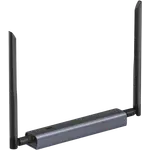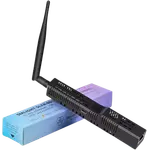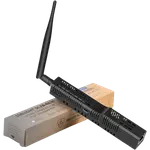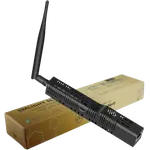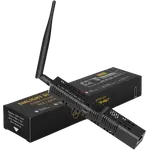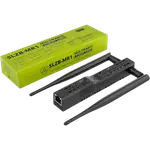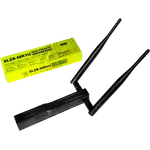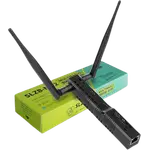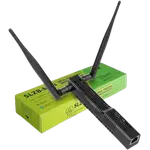



SMLIGHT SLZB-06p7U Review: The PoE Coordinator That Ends Dropped Zigbee Devices
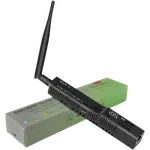
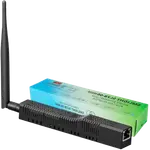
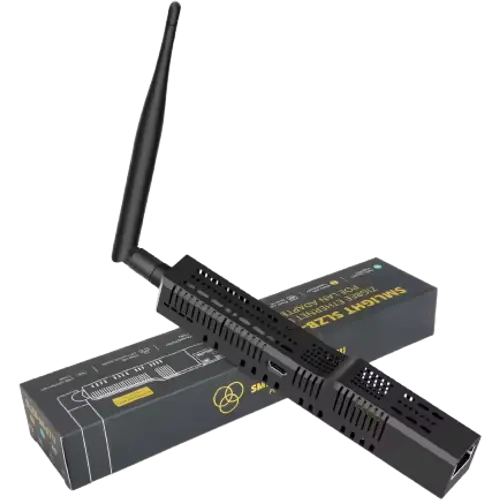
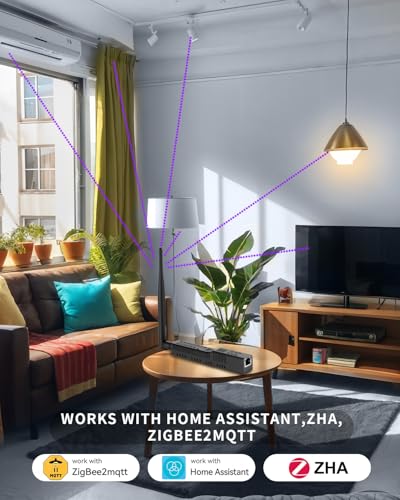
The SLZB-06p7U is a Zigbee coordinator that connects over Ethernet with PoE instead of plugging into your server, and that single design decision is what owners consistently credit for fixing their mesh: put the radio in the middle of the house on a network cable, and devices stop dropping off. It runs the Texas Instruments CC2652P7 with +20 dBm of transmit power, works with Home Assistant through both Zigbee2MQTT and ZHA, doubles as a Bluetooth proxy and a Thread border router, and can pass another USB dongle over the network. Migration from an existing Z-Stack coordinator is reported to work without re-pairing devices. The recurring complaint is not the design but the delivery: several buyers received units that had clearly been opened or wrongly flashed.
- Home Assistant and Zigbee2MQTT setups
- Homes with a PoE switch
- Large meshes with drop-outs
- Migrating from a failing USB dongle
Pros
- PoE over Ethernet lets the coordinator sit centrally, away from the server
- Owners report dropped Zigbee devices stopping after relocating the radio
- Migration from another Z-Stack coordinator without re-pairing devices
- Texas Instruments CC2652P7 with +20 dBm of transmit power and +5 dB external antenna
- Works with Home Assistant through both Zigbee2MQTT and ZHA
- Bluetooth proxy relays BLE sensors to Home Assistant
- USB-over-Ethernet passthrough for sharing another dongle
- Thread border router capability, and OTA firmware updates
Cons
- Several buyers received units that had been opened, pre-configured or wrongly flashed
- No obvious factory reset: recovery can mean opening the case and shorting pads to force flashing mode
- Web interface described as rough by owners
- No dual network mode, so Zigbee and Thread cannot run at once
- No Z-Wave radio of its own, and no Matter bridging
- 2.4 GHz Wi-Fi only
- Use an A-to-C cable for USB power, not C-to-C
Who is the SLZB-06p7U for?
It suits anyone whose Zigbee network is less reliable than it should be because the coordinator is stuck wherever the server happens to live. Over Ethernet with PoE, one cable delivers power and network, so the radio can be mounted centrally, and owners with large networks describe exactly that outcome: one user moved a 40-plus device network with seven routers onto this coordinator using existing Ethernet wiring and reported the dropped devices stopped. It supports Home Assistant with both Zigbee2MQTT and ZHA, and USB or Wi-Fi connection remain available if you have no PoE switch.
What owners praise
Migration comes up repeatedly and is worth understanding before you buy: because it uses the same Z-Stack protocol as other CC-series coordinators, people moving from a failing dongle report cloning the old address and keys and having every device reconnect without re-pairing, in one case a network of over a hundred devices and lamps. That is the difference between an afternoon and a weekend. The other consistent theme is placement: with a PoE switch, users describe it as simply plugging into the network and pointing Home Assistant at it, with no dongle on the server at all. The +20 dBm transmit power gets specific praise for raising link quality across existing devices, OTA firmware updates are appreciated, and one owner runs it as a combined Zigbee and Bluetooth proxy, which matches the BLE proxy feature on the spec sheet.
What to know before you buy
The complaints cluster on the unit you receive rather than the product design. Multiple buyers describe boxes that had clearly been opened, including one coordinator that arrived with someone else's password set and another flashed with firmware for the wrong chipset, which stopped Zigbee2MQTT recognising it. Recovery is not obvious either: there is no simple factory reset, and one owner had to open the housing and short two pads on the board to force flashing mode before the web interface would work, describing that interface as rough. Check your unit on arrival and be prepared to reflash it. On the spec side there is no dual network mode, so Zigbee and Thread cannot run simultaneously, there is no Z-Wave radio of its own (the USB passthrough only shares a stick you supply), and Wi-Fi is 2.4 GHz only. One practical note from an owner: when powering by USB, use an A-to-C cable, since C-to-C is warned against.
Is the SLZB-06p7U worth it?
For a Home Assistant user with a PoE switch and a mesh that misbehaves, this solves the actual problem, which is radio position rather than radio power, and it adds a Bluetooth proxy and USB passthrough on top. Owners who received a clean unit describe it in unusually strong terms. Weigh that against the delivery lottery: the risk is not that the coordinator is bad, it is that you may need to reflash it before it works, so buy it knowing that recovery may be part of the setup.
Frequently asked questions
Can I move my existing Zigbee network to this coordinator without re-pairing everything?
Owners migrating from other Z-Stack based coordinators report doing exactly that, by cloning the old address and keys, with networks of dozens and even over a hundred devices reconnecting without being paired again. It only works when the protocol matches and the keys carry over.
Does it need a PoE switch?
No, but that is the setup owners recommend. It also connects over USB or Wi-Fi, and if you power it by USB the guidance is to use an A-to-C cable rather than C-to-C.
Does it work with Zigbee2MQTT and ZHA?
Yes, both. Owners report using it with either integration in Home Assistant.
Can it also handle Bluetooth?
Yes. It works as a Bluetooth proxy, relaying BLE sensor signals to Home Assistant, and at least one owner runs it as a combined Zigbee and Bluetooth proxy.
What should I check when it arrives?
Whether the packaging looks opened and whether the firmware matches the chip. Several buyers received previously used or incorrectly flashed units, and there is no simple reset button, so a reflash may be needed before it works properly.