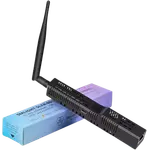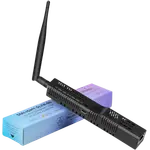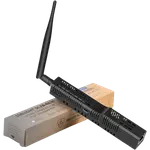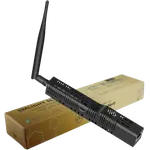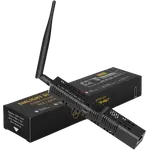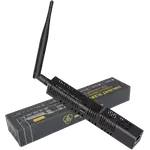




SMLIGHT SLZB-07P10 Review: A Compact, High-Power USB Zigbee Coordinator, Once You Flash the Firmware
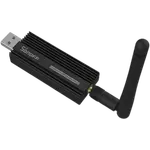
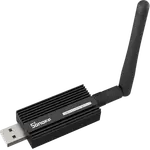
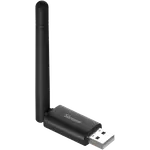
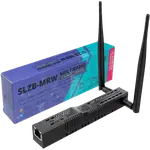
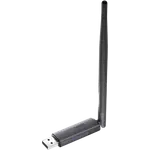
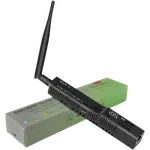
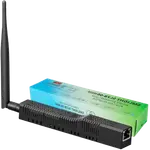
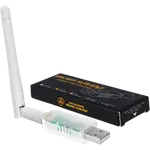
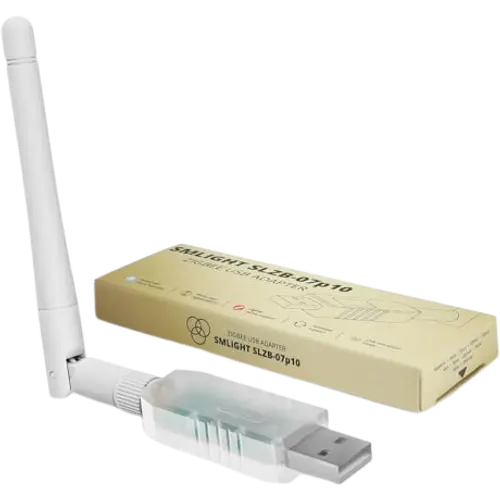
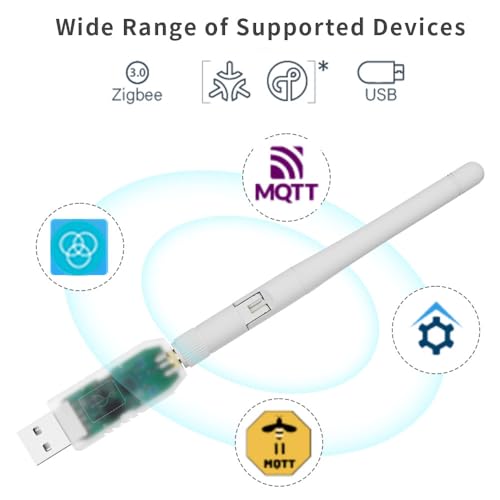
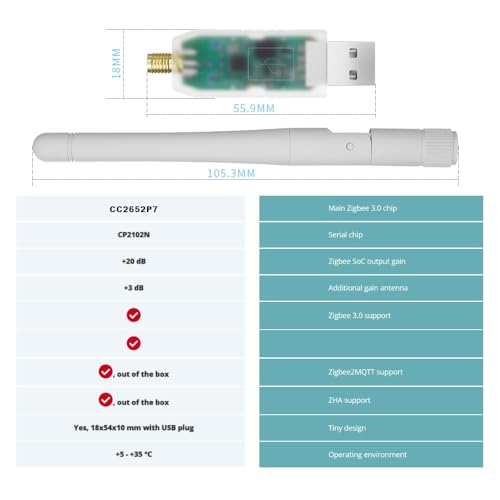
The SMLIGHT SLZB-07P10 is a tiny USB Zigbee 3.0 coordinator built on Texas Instruments' high-power CC2652P10 chip (with +20 dBm of transmit power and external antenna for extra range), and it can also run as a Thread/Matter radio. As a Zigbee coordinator with Home Assistant it is a no-drama plug-and-play device: owners plug it into a Pi, mini-PC, Umbrel or server, Home Assistant recognizes it, and it works with ZHA or Zigbee2MQTT, with painless migration from other dongles via Home Assistant's Migrate Adapter tool. It is much smaller than a Sonoff Plus-E, detects lots of devices, and can replace multiple brand bridges. The recurring frustration is firmware: it ships with outdated firmware that you must flash before use (fine for a technical user, harder for beginners), and flashing the Thread firmware in particular can be a nightmare, the online flashing tool fails for some, requiring non-standard drivers on Mac and Windows, and documentation is scarce. It is USB-only (no Ethernet/PoE like the SLZB-06) and Zigbee/Thread only (no Z-Wave). For a Home Assistant user wanting a small, powerful Zigbee coordinator and comfortable flashing firmware, it is excellent value.
- Home Assistant Zigbee networks
- A compact but high-power USB coordinator
- Larger networks needing extra range
- Migrating from an older dongle
Pros
- No-drama Zigbee coordinator that just works with Home Assistant (ZHA/Z2M)
- High-power CC2652P10 chip and external antenna for strong range
- Painless migration from another dongle via Home Assistant's Migrate Adapter
- Very small, notably more compact than a Sonoff Plus-E
- Thread/Matter capable with the right firmware
- Good value; easy web firmware updates once set up
Cons
- Ships with outdated firmware that must be flashed before use
- Flashing the Thread firmware can be a nightmare (flaky tool, non-standard drivers)
- Scarce, incomplete documentation with no printed instructions
- USB-only, no Ethernet or PoE (unlike the SLZB-06)
- Zigbee/Thread only, no Z-Wave
- Firmware step may deter non-technical users
Who is the SLZB-07P10 for?
This is a mini USB Zigbee 3.0 coordinator on the powerful Texas Instruments CC2652P10 chip, with +20 dBm of transmit power and external antenna for strong range, aimed at Home Assistant users. It works as a Zigbee coordinator (and Zigbee router) via ZHA or Zigbee2MQTT, and can be flashed to serve as a Thread border router for Matter. It is USB-only (no Ethernet, PoE or Wi-Fi, unlike the network-connected SLZB-06), and has no Z-Wave. It best suits Home Assistant Zigbee networks, anyone wanting a compact but high-power USB coordinator, larger networks that benefit from the extra range, and users migrating from an older dongle. If you want a network-connected coordinator, a truly plug-and-play device with no firmware step, or Z-Wave support, read the caveats first.
What buyers love
Once running, it is a no-drama coordinator. Owners plug it into a Raspberry Pi, mini-PC, Umbrel or Home Assistant server, HA recognizes it, and it just works with ZHA or Zigbee2MQTT, controlling devices like IKEA bulbs and motion sensors without issue. Migration is a highlight: one owner moved 53 devices from a Sonoff 3.0 Plus-E using Home Assistant's Migrate Adapter tool, backing up, swapping dongles and restoring, with every device instantly recognized and no disruption. The high-power CC2652P10 radio and external antenna give strong range for larger Zigbee networks, and the dongle is notably smaller than a Sonoff Plus-E. It detects plenty of devices and can replace the assorted per-brand bridges you would otherwise need, firmware updates over the web are easy once you are set up, and it is good value. It is also Thread/Matter capable with the right firmware.
What to know before you buy
The main friction is firmware. The dongle ships with outdated firmware and must be flashed to the current version before it will work, which owners describe as easy for a technical person but potentially a problem for the average user (some had to follow a YouTube video, and no printed instructions are included). Flashing the Thread firmware specifically can be far worse: the online flashing tool fails for some, leaving the device unusable, and on Mac and Windows it requires a non-standard driver, on macOS that means patching the kernel and overriding security, which some are unwilling to do, and one owner could not get it to flash on two Debian machines despite Chrome seeing the dongle. Documentation and troubleshooting are widely called scarce, incomplete and unclear. Beyond firmware, it is USB-only with no Ethernet or PoE (choose the SLZB-06 if you want network placement), and it is Zigbee/Thread only, with no Z-Wave. When it flashes and runs, though, complaints are few.
Is the SLZB-07P10 worth it?
For a Home Assistant user who wants a small but high-power USB Zigbee coordinator, the SMLIGHT SLZB-07P10 is excellent value: the CC2652P10 chip and external antenna give strong range for larger networks, it is genuinely no-drama once running, migration from another dongle is painless, and it works cleanly with ZHA or Zigbee2MQTT. The catch is the firmware step. Plan to flash the current firmware before use (straightforward if you are comfortable following a guide, harder for beginners), and be aware that flashing the Thread firmware can be genuinely difficult given the flaky tool, driver requirements and thin documentation. It is also USB-only and Zigbee/Thread only. Buy it if you want a compact, powerful Zigbee coordinator and can handle a flash; if you want network placement (get the SLZB-06), a beginner-friendly no-firmware device, or Z-Wave, weigh those points first.
Frequently asked questions
Do I need to flash the firmware?
Yes, in most cases. It ships with outdated firmware and must be flashed to the current version before it will work as a coordinator. This is easy for a technical user (some follow a YouTube guide), but there are no printed instructions and the process can trip up beginners, so factor that in.
How does the CC2652P10 chip help?
It is a high-power Zigbee chip with +20 dBm of transmit power, which, combined with the external antenna, gives strong range, useful for larger Zigbee networks or homes where devices are spread out. Functionally it behaves like other SMLIGHT SLZB-07 coordinators, just with the more powerful TI radio.
Can it run Thread/Matter?
Yes, with the right firmware, but flashing the Thread firmware is where owners hit the most trouble: the online flashing tool fails for some, it requires non-standard drivers on Mac and Windows (on macOS, patching the kernel), and documentation is scarce. Using it purely as a Zigbee coordinator is far more reliable than as a Thread radio.
Does it work with Home Assistant?
Yes, and once flashed it is essentially plug-and-play: you plug it into a Pi, mini-PC or server, Home Assistant recognizes it, and it works with ZHA or Zigbee2MQTT. Migrating from another dongle is painless using Home Assistant's Migrate Adapter tool (backup, swap, restore).
How does it compare to the SLZB-06?
The main difference is connectivity: the SLZB-07P10 is a USB-only stick, while the SLZB-06 connects over Ethernet (with PoE) and Wi-Fi so you can place it anywhere on the network. Choose this one for a compact, high-power USB coordinator plugged into your server; choose the SLZB-06 for network placement. Neither supports Z-Wave.