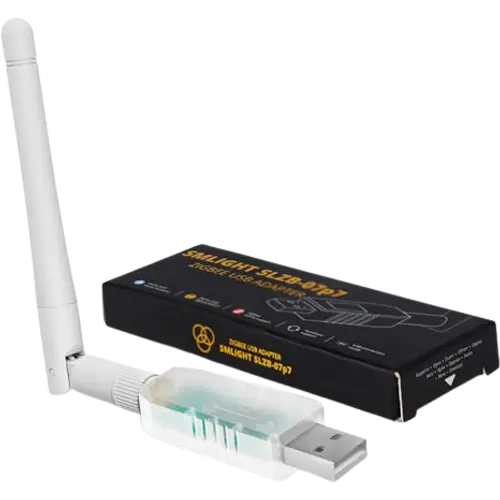


SMLIGHT SLZB-07p7 Review: The CC2652P7 Version of a Pocket-Sized Zigbee Coordinator
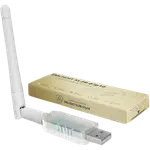
The SLZB-07p7 is the Texas Instruments variant of SMLIGHT's small USB coordinator, built on the CC2652P7 rather than the Silicon Labs chip used by the plain SLZB-07. That matters if you run Zigbee2MQTT, where CC-series coordinators have the longest track record and the smoothest migration path from other Z-Stack devices. It ships pre-flashed, carries +20 dBm of transmit power with a +3 dB detachable antenna, and can act as coordinator, Zigbee router or Thread border router. It is USB only, so it sits at your server.
- Zigbee2MQTT setups
- Migrating from another Z-Stack coordinator
- Small and mid-size meshes
- Compact installs
Pros
- Texas Instruments CC2652P7, well proven with Zigbee2MQTT
- Pre-flashed and ready for ZHA or Zigbee2MQTT
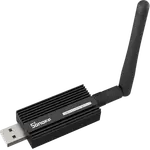
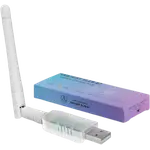
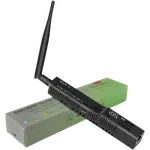
- +20 dBm transmit power with a detachable +3 dB antenna
- Works as Zigbee coordinator and router
- Thread border router capability
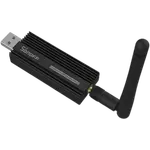
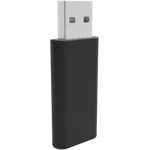
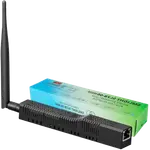
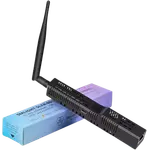
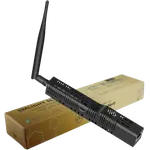
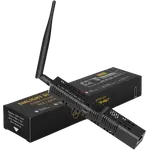
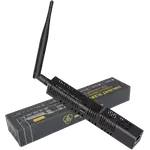
- Compact at 18 x 54 x 10 mm
Cons
- USB only: no Ethernet, PoE or Wi-Fi
- No dual network mode, so Zigbee and Thread cannot run at once
- No Bluetooth proxy or USB-over-Ethernet passthrough
- No Z-Wave support and no Matter bridging
- Some regional listings mix in reviews of the older SLZB-07
- One year warranty
Who is the SLZB-07p7 for?
Choose this over the standard SLZB-07 if you want Texas Instruments silicon. The CC2652P7 is the newer of the two TI parts widely used in home Zigbee networks, and the practical benefit is continuity: coordinators sharing the Z-Stack protocol can usually take over an existing network by carrying across the address and keys, so a replacement does not mean re-pairing every device. It is pre-flashed for ZHA or Zigbee2MQTT, so setup is plugging it in and pointing Home Assistant at it.
What it offers
+20 dBm of transmit power and a detachable +3 dB external antenna, which is what separates it from bargain sticks with a printed antenna and no amplification, and what keeps distant battery sensors on the mesh. It works as the coordinator, as a Zigbee router, and as a Thread border router for Matter accessories. The body is 18 x 54 x 10 mm, small enough not to block neighbouring USB ports on a mini PC.
What to know before you buy
Connectivity is USB only: no Ethernet, no PoE, no Wi-Fi, so the radio has to live at the host machine, and coordinator placement is the single biggest factor in Zigbee reliability. If your server is badly placed, the SLZB-06 range with PoE is the better answer. There is no dual network mode, so Zigbee and Thread cannot run simultaneously, and there is no Bluetooth proxy, no USB-over-Ethernet passthrough, no Z-Wave and no Matter bridging. Warranty is one year. One caveat on research: some regional listings for this model show reviews belonging to the older SLZB-07, so read them carefully before drawing conclusions.
Is the SLZB-07p7 worth it?
It costs a little more than the base SLZB-07 and the difference is the radio family. If you are on Zigbee2MQTT, or you expect to migrate an existing Z-Stack network onto it, the TI chip is the safer pick. If you are starting fresh with ZHA and your budget is tight, the standard model does the same job. Either way, the deciding question is whether USB placement suits your setup.
Frequently asked questions
How is the p7 different from the standard SLZB-07?
The radio. This model uses the Texas Instruments CC2652P7, while the standard SLZB-07 uses a Silicon Labs EFR32MG21. Transmit power, antenna, size and features are otherwise the same.
Can it take over my existing Zigbee network?
Coordinators sharing the Z-Stack protocol can generally take over by carrying across the network address and keys, which avoids re-pairing devices. It depends on your current coordinator using the same protocol.
Does it need flashing?
No. It ships pre-flashed for ZHA or Zigbee2MQTT.
Can it be mounted away from my server?
No. It is USB only. The SLZB-06 range offers Ethernet and PoE if you need to relocate the radio.
Does it handle Thread and Zigbee together?
No. It supports both roles but has no dual network mode, so it serves one at a time.