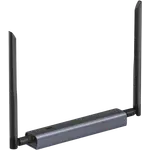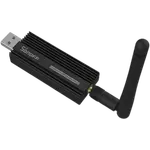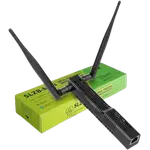



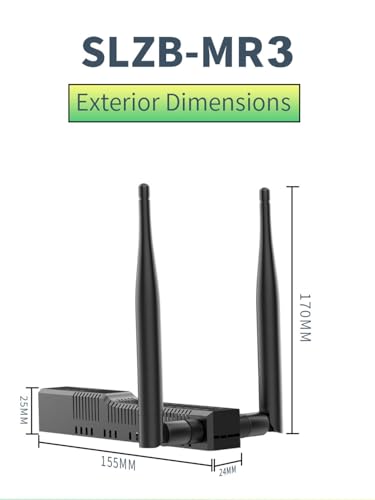
SMLIGHT SLZB-MR3 Review: Current-Generation Dual Radios for Zigbee and Thread
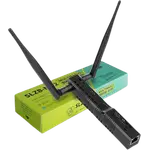
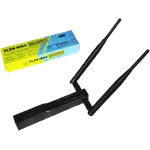
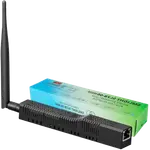
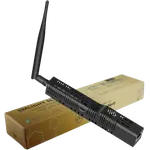
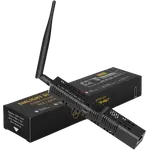
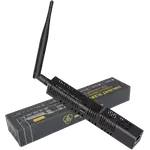
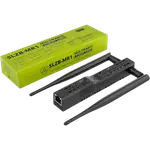
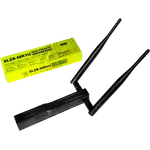
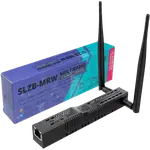
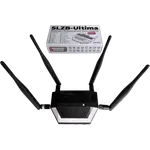
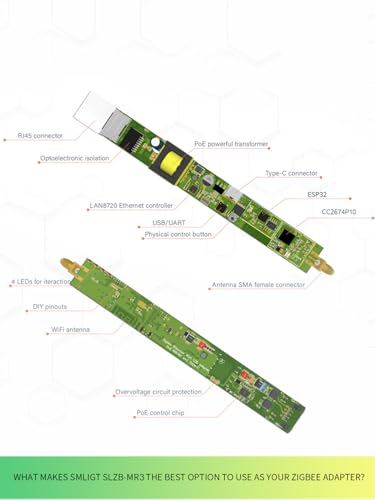
The SLZB-MR3 is the newer of SMLIGHT's dual-radio gateways, pairing a Silicon Labs EFR32MG24 with a Texas Instruments CC2674P10. Both are current-generation parts, which matters for device capacity and for Thread support, and having two of them means Zigbee and Thread run simultaneously rather than one at a time. It connects over Ethernet with PoE, USB or Wi-Fi, works as a Zigbee coordinator and router, and serves as a Thread border router. As with the rest of the multi-radio line, the reason to buy it is running two protocols or two integrations at once.
- Running Zigbee and Thread together
- Large or growing meshes
- Splitting ZHA and Zigbee2MQTT
- PoE installations
Pros
- Two current-generation radios: EFR32MG24 and CC2674P10
- Zigbee and Thread run simultaneously
- Headroom for large device counts
- Ethernet with PoE, plus USB and Wi-Fi
- Thread border router and Zigbee router capability
- Home Assistant and Zigbee2MQTT support
Cons
- Top-of-range price
- No Z-Wave radio and no Matter bridging
- 2.4 GHz Wi-Fi only
- Uneven regional availability
- Newer model, so less community troubleshooting than the SLZB-06 line
- One year warranty
Who is the SLZB-MR3 for?
It targets the setup where Thread and Matter accessories are arriving alongside an existing Zigbee network. Rather than adding a second device or choosing between protocols, this gateway covers both on separate radios. The current-generation chips also give it more headroom than the older CC2652 and MG21 pairings, which is the argument for it in a house heading past a hundred devices. PoE keeps the install to a single cable, so it can be mounted centrally for the best radio position.
What it offers
The EFR32MG24 is Silicon Labs' current mainstream Zigbee and Thread part, and the CC2674P10 is Texas Instruments' newer multiprotocol chip, so both firmware ecosystems are covered natively. Dual network mode is supported, and the gateway also works as a Zigbee router and a Thread border router. Connection options are Ethernet with PoE, USB or 2.4 GHz Wi-Fi, and both Home Assistant and Zigbee2MQTT are supported.
What to know before you buy
There is no Z-Wave radio and no Matter bridging of existing Zigbee devices. Wi-Fi is 2.4 GHz only. Availability is patchy across regions: listings differ per country and several markets do not carry it, so check stock where you are before planning around it. As a newer model it also has less community troubleshooting behind it than the long-established SLZB-06 line, which is worth weighing if you prefer well-trodden ground. Warranty is one year.
Is the SLZB-MR3 worth it?
It is priced at the top of the range, and it makes sense for a mesh that is both large and mixed. If you are running Zigbee only, or a modest number of devices, the single-radio models cost considerably less and do that job just as well. The MR3 earns its price when you need current-generation silicon on both protocols at the same time.
Frequently asked questions
What makes the MR3 different from the MR1 and MR2?
The chips. It pairs a Silicon Labs EFR32MG24 with a Texas Instruments CC2674P10, both current-generation, where the earlier multi-radio models use older parts.
Can it run Zigbee and Thread at the same time?
Yes. Dual network mode is supported, with a dedicated radio for each protocol.
How does it connect?
Ethernet with PoE, USB, or 2.4 GHz Wi-Fi.
Does it work with Zigbee2MQTT and Home Assistant?
Yes, both are supported, and with two radios the integrations can be split across them.
Does it support Z-Wave or bridge Zigbee to Matter?
No to both. It handles Zigbee and Thread, and does not expose Zigbee devices to Matter controllers.