
SMLIGHT SLZB-MR5U Review: Two Matching EFR32MG24 Radios for Zigbee and Thread
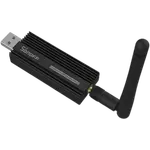
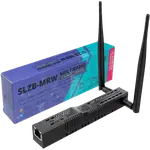
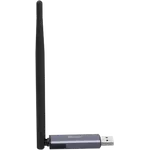
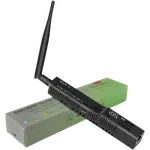
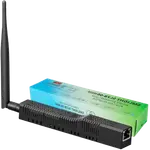
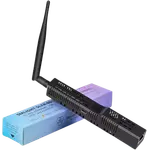
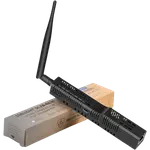
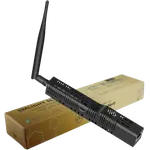
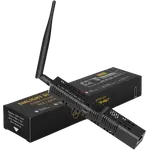
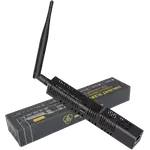
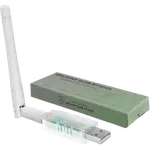
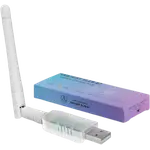
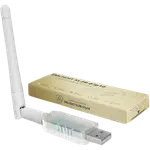
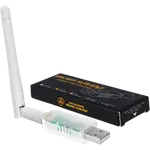
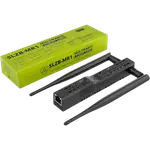
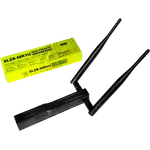
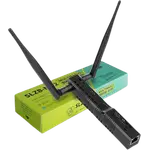
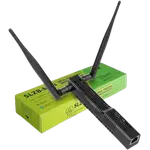
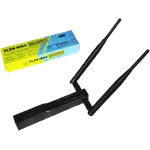
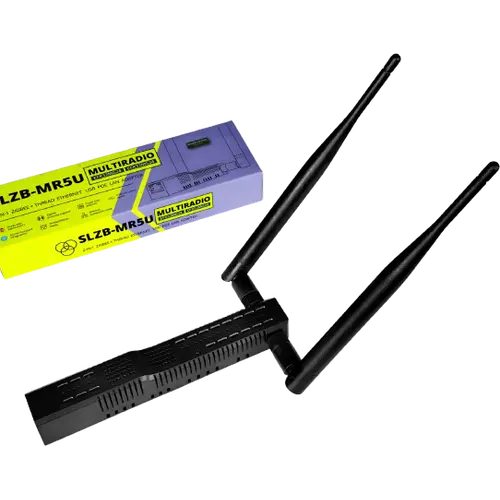
The SLZB-MR5U takes a different approach to SMLIGHT's other multi-radio gateways: instead of mixing a Silicon Labs and a Texas Instruments chip, it uses two EFR32MG24 radios. That keeps the firmware story consistent across both, and still delivers the main benefit of the range, which is running Zigbee and Thread simultaneously rather than choosing between them. It connects over Ethernet with PoE, USB or Wi-Fi, ships pre-flashed with an external antenna, and works as a Zigbee coordinator, a Zigbee router and a Thread border router.
- Running Zigbee and Thread together
- Matter and Thread accessories
- PoE installations
- Home Assistant and Zigbee2MQTT setups
Pros
- Two EFR32MG24 radios running Zigbee and Thread at once
- Single firmware family across both radios
- Ethernet with PoE, plus USB and Wi-Fi
- Pre-flashed, with an external antenna
- Thread border router and Zigbee router capability
- Home Assistant and Zigbee2MQTT support
Cons
- Very new, with little independent user experience available
- No Texas Instruments radio, so no CC-series migration path
- No Z-Wave radio and no Matter bridging
- 2.4 GHz Wi-Fi only
- Premium price for a coordinator
- Regional listings vary
Who is the SLZB-MR5U for?
It suits a home adding Thread and Matter accessories to an established Zigbee network, where a single-radio coordinator would force a choice. Using the same chip for both radios means one firmware family to understand rather than two, which is a small but real simplification when troubleshooting. Ethernet with PoE lets it be mounted centrally on one cable, which is the factor that most affects whether distant sensors stay connected.
What it offers
Two EFR32MG24 radios, Silicon Labs' current mainstream part for both Zigbee and Thread, with dual network mode so each protocol gets its own. It arrives pre-flashed, carries an external antenna, and supports Home Assistant and Zigbee2MQTT. Connectivity covers Ethernet with PoE, USB and 2.4 GHz Wi-Fi, and it works as a Zigbee router as well as a coordinator, plus Thread border router duties for bridging Thread devices to your network.
What to know before you buy
This is a very new model, and that shows in the market: listings vary by region and several show no reviews at all, so there is little independent experience to draw on yet. There is no Z-Wave radio and no Matter bridging of existing Zigbee devices. Wi-Fi is 2.4 GHz only. Two identical radios also means no Texas Instruments option on board, so if your setup depends specifically on a CC-series coordinator, for example to migrate an existing Z-Stack network without re-pairing, one of the mixed-chip models is the safer choice.
Is the SLZB-MR5U worth it?
It is priced as a premium coordinator, and the case for it is the same as the rest of the multi-radio line: only worthwhile if you will actually use both protocols. Within that, the twin-MG24 design is the tidiest option for a Silicon Labs based setup. If you need TI silicon for migration reasons, or you only run Zigbee, look at the mixed-chip MR models or the cheaper single-radio units instead.
Frequently asked questions
Why two identical radios instead of two different chips?
Using the EFR32MG24 twice keeps one firmware family across both radios, which simplifies updates and troubleshooting. The trade-off is that there is no Texas Instruments radio on board.
Can it run Zigbee and Thread simultaneously?
Yes. Dual network mode is supported, with a dedicated radio for each.
How does it connect?
Ethernet with PoE, USB, or 2.4 GHz Wi-Fi, so it can be placed away from the server.
Does it need flashing before use?
No. It ships pre-flashed and works with Home Assistant and Zigbee2MQTT.
Can I migrate an existing Zigbee network onto it?
That depends on your current coordinator. Migrations without re-pairing generally rely on both devices sharing the same protocol stack, and this model has no Texas Instruments CC-series radio.