



SONOFF Dongle-PP10 Review: A CC2674P10 Coordinator That Reaches the Far Corners of the House
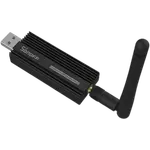
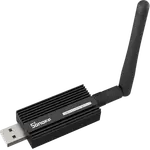
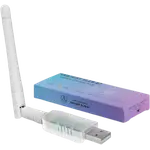
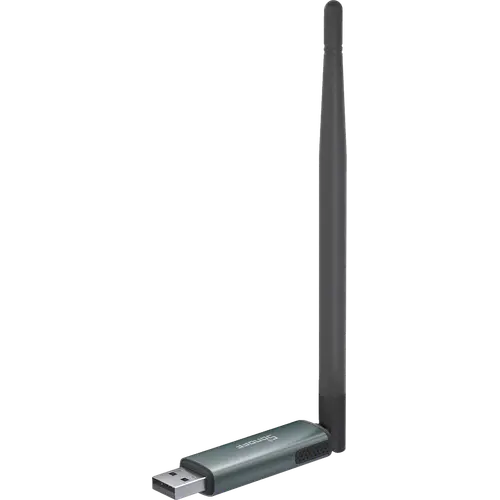
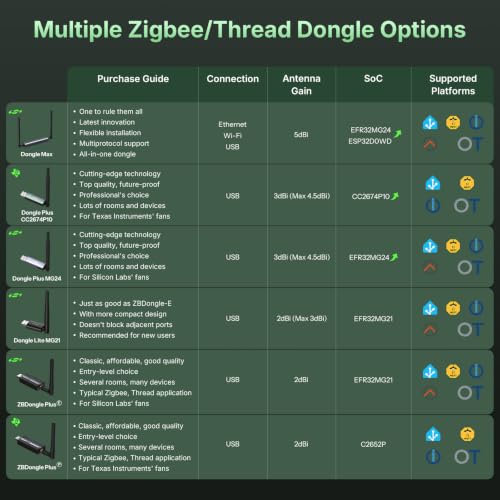
The SONOFF Dongle-PP10 is a USB Zigbee coordinator built on Texas Instruments' CC2674P10, a generational step up from the CC2652P sticks that have been the open-source default. Owners consistently report two things: range that reaches outbuildings and rooms behind thick walls, thanks to 20 dBm output and the 4.5 dBi antenna, and immediate recognition by Home Assistant with no drivers, working with both ZHA and Zigbee2MQTT. The metal body and the rotating antenna that avoids blocking neighbouring USB ports get repeated mentions, as does the one metre extension cable in the box, which owners say you should actually use. Firmware flexibility is the other draw: it ships as a coordinator and can be reflashed as a Zigbee router or as a Thread RCP for OpenThread.
- Home Assistant with ZHA or Zigbee2MQTT
- Large or wall-heavy homes
- Upgrading from a CC2652P stick
- Extending an existing mesh as a router
Pros
- Current-generation TI CC2674P10 with more capacity than CC2652P sticks
- 20 dBm output and a 4.5 dBi antenna give strong range, including outbuildings
- Recognised immediately by Home Assistant, with no drivers, on ZHA or Zigbee2MQTT
- Mature zstack driver, credited with fewer disconnections than EZSP sticks
- Reflashable as Zigbee coordinator, Zigbee router or Thread RCP
- Solid metal housing with a rotating antenna that does not block adjacent USB ports
- One metre USB extension cable included, which owners recommend using
- Two year warranty
Cons
- USB only: no Ethernet, PoE or Wi-Fi, so it sits at the server
- Single radio, so Zigbee and Thread are alternative roles, not simultaneous
- No Z-Wave, no Bluetooth proxy and no Matter bridging
- Not a plug-and-play gateway: it needs an open platform like Home Assistant
- Flashing requires attention to the documented baud rate
- Visible reviews cluster around launch week, some from free review units
Who is the Dongle-PP10 for?
It is aimed squarely at open smart home platforms, and owners are clear that this is not a consumer gateway with its own app: one describes it as explicitly for users of open systems rather than plug-and-play. Within that world it is a straightforward upgrade path. Several owners moved from an older SONOFF stick or another CC-series coordinator, and one who switched from an MG21 summarised the reason as capacity: the CC2674P10 has more memory and processing power, so it handles more direct children and a denser mesh. Another reported using it with Home Assistant and Homey alike.
What owners praise
Range is the most repeated theme. The combination of 20 dBm transmit power and the high-gain 4.5 dBi antenna is credited with stable links to devices that sit far away, behind thick walls, or in outbuildings, with one owner noting coverage across the whole house and outside structures. Setup is the second theme: the dongle is recognised immediately by Home Assistant with no drivers or manual steps, works with ZHA out of the box, and is picked up by Zigbee2MQTT after selecting the zstack driver and pointing it at the right serial path. Owners running Zigbee2MQTT specifically credit the mature TI Z-Stack driver with fewer random disconnections than EZSP-based sticks. Build quality comes up repeatedly too, with the aluminium housing and the angled, rotatable antenna praised for feeling solid and for not blocking the USB port next door. The bundled one metre extension cable is treated as essential rather than optional: several owners use it to move the stick away from a Raspberry Pi, mini PC or NAS to avoid interference.
Firmware flexibility
This is where the dongle differs from a fixed-purpose coordinator. It arrives with Zigbee coordinator firmware installed, and SONOFF's web-based flasher can convert it into a Zigbee router to extend an existing mesh, or into a Thread RCP for use with an OpenThread border router. One owner who already had a coordinator flashed this one into a router in seconds and reported it joining the existing network immediately and extending coverage across the property. Another notes the baud rate matters when flashing, so follow the documented setting rather than the default.
What to know before you buy
It is USB only: no Ethernet, no PoE and no Wi-Fi, so the coordinator sits at your server, and the extension cable is your only tool for improving placement. It is not a dual-radio device, so Zigbee and Thread are alternative firmware roles rather than simultaneous ones. There is no Z-Wave, no Bluetooth proxy and no Matter bridging of existing Zigbee devices. One more caveat about the reviews themselves: the currently visible ones are clustered in a single week around launch, and at least two state they were received free in exchange for an honest review, so the sample skews early-adopter and enthusiastic. The counterweight is that the technical details they report match the spec sheet. Warranty is two years, longer than most coordinators.
Is the SONOFF Dongle-PP10 worth it?
For a Home Assistant user it is an easy recommendation at this price: current-generation TI silicon, genuinely strong range, a metal build, a two year warranty and the option to repurpose it as a router or Thread device later if you upgrade. The honest limit is placement. If your server sits in a basement or a metal rack, a LAN or PoE coordinator will beat any USB stick regardless of antenna, and that is the comparison to make before buying.
Frequently asked questions
Does the Dongle-PP10 work with Home Assistant out of the box?
Yes. Owners report it being recognised immediately with no drivers, working with ZHA directly, and with Zigbee2MQTT after selecting the zstack driver and setting the serial path.
Can I use it as a Zigbee router instead of a coordinator?
Yes. It ships with coordinator firmware, and SONOFF's web flasher can convert it into a router. One owner did exactly that to extend an existing mesh across a house and outbuildings.
Can it do Thread and Matter?
It can be flashed with Thread RCP firmware for use with an OpenThread border router. It is a single-radio device, so it does Zigbee or Thread, not both at once.
Should I use the included extension cable?
Owners consistently say yes. Moving the stick away from a Raspberry Pi, mini PC or NAS reduces interference and improves reception, which is why the one metre cable is in the box.
How is it different from a CC2652P dongle?
The CC2674P10 has more memory and processing power, so it supports more directly connected devices and a denser mesh, and it adds Thread capability. Owners upgrading from older sticks describe the difference as headroom rather than a change in day-to-day behaviour.