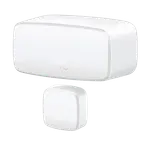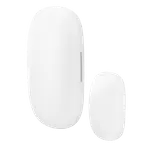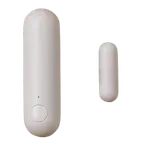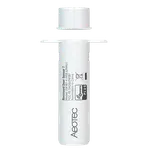
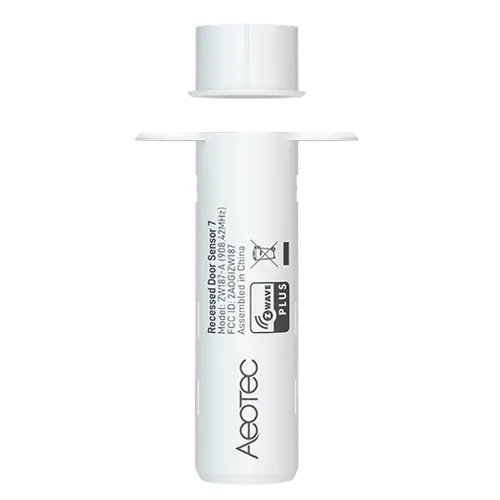


Aeotec Recessed Door Sensor 7 Review: Invisible When Installed, but Battery and Reliability Are a Gamble
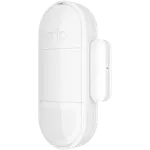
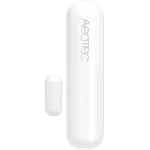
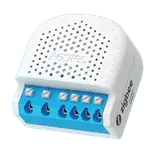
The Aeotec Recessed Door Sensor 7 (ZW187) has one big appeal: because it installs inside the door and frame, it's almost invisible when the door is closed, no plastic 'goiter' on your trim, which is why owners who want a hidden sensor seek it out (there are few recessed alternatives). When it works, detection is fast and reliable, it's a drop-in replacement for the Gen5, and it integrates with Z-Wave hubs like SmartThings, Home Assistant, Hubitat and Fibaro. But its middling average rating reflects serious, recurring problems. Battery life is the biggest: the CR2 cell (not the CR123A the listing sometimes claims) can last anywhere from hours to about six months, often reporting 100% right before dying, and a worrying number of units 'cook themselves' (solid red light, overheating), with some owners seeing roughly a 50% failure rate. The tiny, over-long mounting screws strip easily, and you must remove the whole sensor to change the battery, redoing the screws each time. It doesn't work well in metal doors (the buried transceiver blocks the Z-Wave signal), SmartThings pairing requires a specific non-QR procedure, and Home Assistant needs advanced configuration. It's decidedly not plug-and-play. If you specifically need a hidden sensor and are willing to tinker and tolerate battery/reliability risk, it's one of the only options; otherwise, a standard surface-mount sensor will be far less hassle.
- Hidden, flush door installs
- Z-Wave networks (SmartThings/Hubitat/Home Assistant)
- Wooden doors and frames
- Tinkerers who want an invisible sensor
One sensor per door or window.
Buy on Amazon USACheck pricePros
- Recessed design is nearly invisible when the door is closed
- Fast, reliable detection when working
- Drop-in replacement for the older Gen5 sensor
- Works with SmartThings, Home Assistant, Hubitat and Fibaro (Z-Wave)
- Battery life improved over the Gen5 on the units that behave
Cons
- Unpredictable battery life and overheating hardware failures (high failure rate for some)
- Uses a CR2 battery (listings may wrongly say CR123A)
- Tiny, strip-prone screws; whole sensor must come out to change the battery
- Poor performance in metal doors; not plug-and-play
- Fiddly SmartThings pairing and advanced Home Assistant config needed
Who is the Aeotec Recessed Door Sensor 7 for?
This is a recessed Z-Wave Plus door and window sensor that installs inside the door and frame so it's hidden when closed. It requires a Z-Wave hub and works with SmartThings, Home Assistant, Hubitat and Fibaro (with SmartStart/S2). It's battery powered by a CR2 cell (despite listings sometimes stating CR123A). It best suits people who want a flush, invisible sensor, Z-Wave households, wooden doors and frames, and tinkerers comfortable with a non-trivial install and setup. If you have metal doors, want plug-and-play simplicity, dependable battery life, or HomeKit/Matter support, this likely isn't the right pick.
What buyers love
The standout is the recessed design: the two parts install inside the door and jamb, making the sensor nearly invisible when the door is closed, no unsightly plastic box on your door and frame. Owners who value a clean look love this, and note there are few recessed alternatives on the market. When it's working, detection is fast and reliable, and it's a genuine drop-in replacement for the older Gen5 sensor (the magnet is compatible). It integrates with Z-Wave hubs, SmartThings, Home Assistant, Hubitat and Fibaro, and communicates quickly with the hub once paired. Several owners also report a big battery-life improvement over the Gen5 (roughly six months on a busy door versus the Gen5's much shorter life), and some units run reliably for a year or two. For the specific goal of a hidden, flush-mounted door sensor on a wooden door, it delivers the look owners want.
What to know before you buy
The problems are significant. Battery life is unpredictable: the CR2 cell can last from just hours or days to about six months, frequently reporting 100% right up until it dies, and a concerning number of units fail by overheating (a solid red light, the sensor warm to the touch, a failing surface-mount component), with some owners reporting around a 50% failure rate even after replacements. Note the listing sometimes claims a CR123A, but it actually uses a costlier, less-common CR2. The mounting screws are notoriously bad, tiny, too long, and prone to stripping (use a #1 Phillips bit exactly, and pre-drill), and because you must remove the entire sensor to change the battery, you'll fight those screws repeatedly (removal often needs needle-nose pliers on the PCB, which can damage it). It works poorly in metal doors, since the buried transceiver blocks the Z-Wave signal (owners had to relocate the hub within about 20 feet). Setup is finicky: SmartThings pairing requires a specific manual procedure (do not scan the QR code, or it may report closed when the door is open), and Home Assistant needs advanced configuration (enabling Binary Report mode) or it 'falls asleep' and misreports. Installation itself needs a 3/4-inch drill bit and, often, replacing old metal weatherstrip. In short, this is not plug-and-play, and there's no confirmed HomeKit or Matter support.
Is the Aeotec Recessed Door Sensor 7 worth it?
The Aeotec Recessed Door Sensor 7 is worth considering only if a hidden, flush-mounted sensor is your priority and you're on Z-Wave with a wooden door, in that narrow case, it delivers a clean look few competitors match, with fast detection when working. But the trade-offs are real and widely reported: unpredictable battery life and overheating failures (with a notably high failure rate for some), a CR2 battery that the listing may misstate, awful strip-prone screws that you must remove to change the battery, poor performance in metal doors, and a fiddly, non-plug-and-play setup on both SmartThings and Home Assistant. Buy it if you specifically need the recessed form factor and are willing to tinker and accept reliability risk; if you want dependable, low-maintenance door sensing, a standard surface-mount Z-Wave or Zigbee sensor will serve you far better.
Frequently asked questions
Why choose a recessed sensor?
For looks. Because it installs inside the door and frame, it's almost invisible when the door is closed, with no plastic box on your trim. That's its main appeal, and there are few recessed alternatives, so if a hidden, flush install matters to you, this is one of the only options.
What's the deal with battery life?
It's the biggest complaint. The CR2 cell (not the CR123A some listings claim) can last from hours or days to about six months, and often reports 100% right before dying. Worse, a number of units overheat and fail, with some owners reporting roughly a 50% failure rate even after replacements. Aeotec suggests longer wake intervals and disabling the LED to extend life, with mixed results.
Will it work in a metal door?
Not well. Because the transceiver is buried inside the door, a metal door blocks the Z-Wave signal, so owners had to relocate the hub within about 20 feet, or mount the module in the (wooden) jamb instead. It's really designed for wooden doors and frames.
Is it easy to set up?
No, it's not plug-and-play. On SmartThings you must use a specific manual pairing procedure and not scan the QR code, or it may report the door as closed when it's open. On Home Assistant it needs advanced configuration (enabling Binary Report mode) or it falls asleep and misreports, one owner spent around 10 hours getting four working. Installation also needs a 3/4-inch drill bit and often new weatherstrip.
How hard is it to change the battery?
Frustrating. You have to remove the entire sensor from the door to access the battery, dealing again with the tiny, over-long screws that strip easily (use a #1 Phillips bit and pre-drill). Removal often requires needle-nose pliers on the circuit board, which can damage it if you grab the wrong spot.