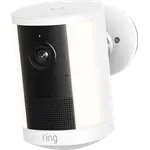
2026 verdict
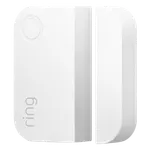
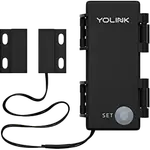
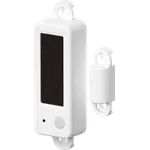
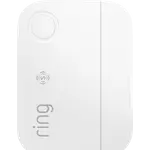
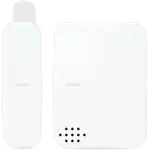
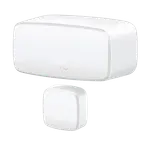
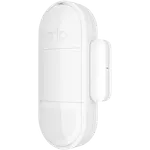
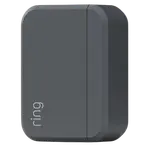
It is IP66-rated for gates, garages and sheds, works reliably in extreme cold where indoor sensors falsely report being tampered, runs up to about five years on 2 AA cells, and uses long-range Z-Wave that reaches well beyond Wi-Fi and Zigbee, though it needs a Ring Alarm base station and works only with Alexa, IFTTT and Home Assistant. The
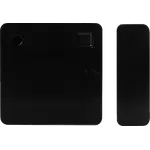
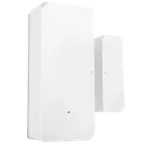
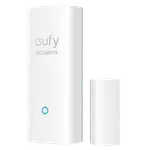
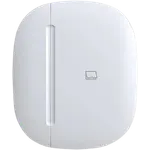
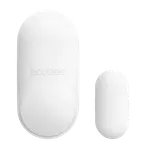
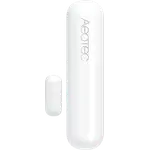
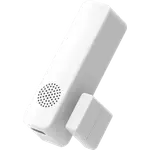
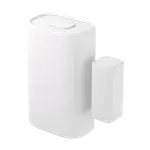
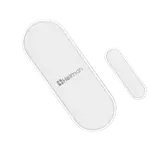
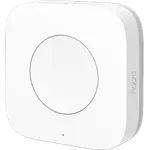
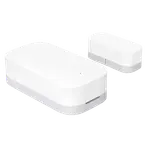
Aqara Door and Window Sensor wins on price and integrations, is one of the smallest, most discreet sensors you can buy, runs on a CR1632 cell, and reaches Apple HomeKit, Google Home, Alexa, SmartThings, Home Assistant and Matter through an Aqara hub, but it is strictly indoor and its non-standard Zigbee can misbehave on a mixed network. Pick the
Ring Outdoor Contact Sensor for outdoor entry points, and the
Aqara Door and Window Sensor for cheap, tiny indoor coverage.
What owners say
Owners of both sensors describe fast, accurate detection and a simple adhesive install. Aqara Door and Window Sensor owners are unanimous about size, calling it the most discreet sensor they have used, roughly a quarter the size of typical units, and they praise a strong magnet, easy setup and battery life of one to two years on the CR1632 cell, with a basic temperature reading as a bonus. Their warnings are that it needs an Aqara hub, that its non-standard Zigbee can lock up on a mixed ZHA network with third-party repeaters, and that it can struggle to register as closed on metal doors. Ring Outdoor Contact Sensor owners value monitoring gates, garages and sheds, weather resistance in deep cold and long Z-Wave range in Wi-Fi dead zones, but they complain that the sensor and especially the magnet pop off their brackets far too easily.

 Join Prime to buy it at €14.39