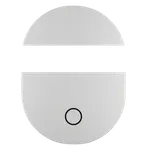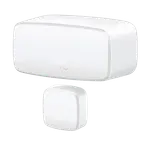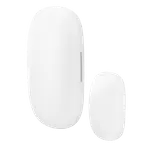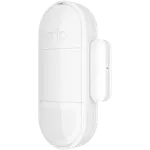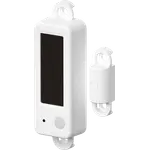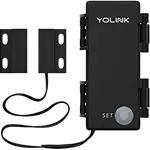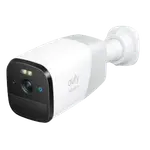
Eufy Entry Sensor E20 Review: A Long-Life Door and Window Sensor for Eufy Homes
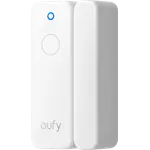
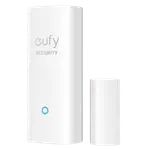
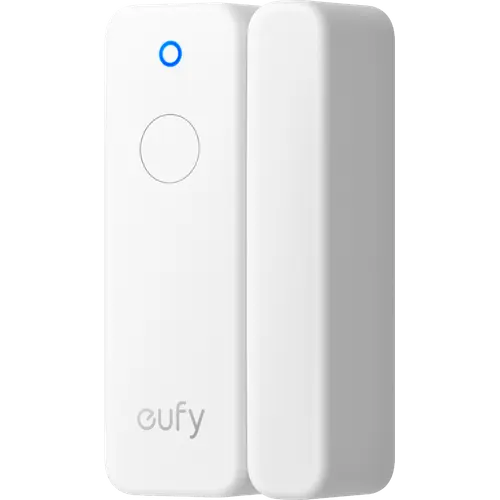
The Eufy Entry Sensor E20 is a compact door and window contact sensor built for households already running an eufy HomeBase system. It pairs wirelessly to a HomeBase Mini, 2, 3 or Pro, runs up to five years on a single CR123A battery, and adds practical touches like dual-side magnet placement and a bypass button for opening a door without tripping the alarm. The trade-offs are the requirement for a HomeBase and a narrow smart-home reach, with no Alexa, Google Home, Apple HomeKit, SmartThings or Matter, and Home Assistant only through a community integration. For an existing eufy setup it is an easy, low-maintenance way to extend coverage; on its own it is not a standalone sensor.
- Existing eufy HomeBase owners
- Subscription-free DIY security
- Buyers who want a long battery life
- Extending door and window coverage
One sensor per door or window.
Buy on Amazon USACheck pricePros
- Up to five years on a single CR123A battery
- Dual-side detection lets the magnet sit on either side of the unit
- Fast open and close alerts to your phone
- Simple adhesive or screw installation that buyers call easy to set up
- Bypass button temporarily disarms the sensor when you leave
- Tamper protection plus HomeBase chime, siren and automation support
- Works with Home Assistant through the community eufy-security-client integration
Cons
- Requires a eufy HomeBase; it is not a standalone sensor
- No Alexa, Google Home, Apple HomeKit, Samsung SmartThings or Matter support
- Some buyers report pairing or signal drop-out when placed far from the HomeBase
- Indoor use only, with no IP weather rating
- No published sensitivity adjustment, and a few buyers feel it is priced a little high
Who is the Eufy Entry Sensor E20 for?
The E20 is made for homes that already run eufy Security. It communicates wirelessly with a eufy HomeBase (Mini, 2, 3 or Pro, each with a minimum firmware version), and the HomeBase is what links it to the eufy app, to the other eufy sensors and cameras and to the HomeBase chime and siren. Without a supported HomeBase there is nothing for this sensor to pair with, so it is an add-on rather than a standalone alarm. Buyers who want a simple, self-installed contact sensor to grow an existing eufy system get the most from it; someone starting from scratch should budget for the HomeBase as well.
What buyers like about the E20
The recurring themes in buyer reviews line up with the spec sheet. Owners describe the sensor as easy to install and set up, and it sticks or screws onto a door or window frame like the rest of the eufy range. They note that it pairs into the eufy system, that open and close alerts reach their phone quickly, and that the five-year CR123A battery keeps maintenance rare. Several praise the value and the small size, and the dual-side magnet design is a genuine convenience: the magnet can sit on the left or right of the main unit, so you do not have to reverse the two halves for a given frame. Bypass mode, which disarms the sensor for a short window when you leave, is another feature owners single out as useful.
What to know before you buy
The main caveat is ecosystem lock-in. The E20 needs a compatible eufy HomeBase and works inside the eufy app, with no Alexa, Google Home, Apple HomeKit, Samsung SmartThings or Matter support; Alexa can arm a eufy system but does not expose individual HomeBase sensors. Home Assistant reaches it through the community eufy-security-client integration, which lists this exact model. Signal is the other thing buyers mention: some report stable connections, while others describe pairing or drop-out problems and weak signal when a sensor sits far from the HomeBase, so it is worth checking range before mounting. Detuned expectations matter too: reviews are not universally glowing about build feel and a few find it priced a little high for a single contact sensor. The unit is for indoor doors and windows, carries no IP weather rating, and there is no user-adjustable sensitivity published.
Is the Eufy Entry Sensor E20 worth it?
For an eufy household the E20 is a sensible, no-fuss addition: it pairs quickly, alerts fast, lasts years on one battery and adds the small courtesies (dual-side placement, a bypass button, tamper protection) that make daily use smoother, with no monthly fee. The value call is narrower than its spec list suggests, though, because everything it does runs through a eufy HomeBase. If you already own one, this is an easy way to extend door and window coverage one opening at a time. If you want a sensor that stands alone or works with Alexa, Google Home, Apple Home or Matter, look elsewhere.
Frequently asked questions
Does the Eufy Entry Sensor E20 need a HomeBase?
Yes. It is a HomeBase accessory, not a standalone sensor. It works with the HomeBase Mini, HomeBase 2, HomeBase 3 and HomeBase Pro, each needing a minimum firmware version, and the HomeBase provides the connection to the eufy app.
How long does the Eufy Entry Sensor E20 battery last?
eufy rates the single CR123A battery at up to five years under normal conditions, so replacements are infrequent. Actual life depends on how often the door or window opens.
Does the Eufy Entry Sensor E20 work with Alexa, Google Home or Apple HomeKit?
No. It has no direct support for Alexa, Google Home, Apple HomeKit, Samsung SmartThings or Matter, and it runs inside the eufy app. Alexa can arm a eufy system, but the individual HomeBase sensors are not exposed as Alexa devices. Home Assistant can reach it through the community eufy-security-client integration.
Can the Eufy Entry Sensor E20 be used outdoors?
No. It is designed for indoor doors and windows and eufy publishes no IP weather rating for it.
What does dual-side detection mean on the E20?
The magnet can be placed on the left or the right of the main unit, so installation does not depend on which side of the frame you mount it. Detection works within about 0.8 inch (2 cm).
What does the bypass button do?
Pressing it temporarily disarms the sensor, so you can open the door without triggering an alarm while the rest of the system stays armed. Bypass lasts about 120 seconds before the sensor returns to normal.