

Fibaro HomeKit Door/Window Sensor Review: Beautiful Design, Frustrating Reliability
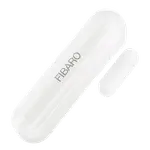
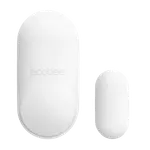
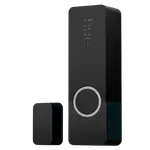
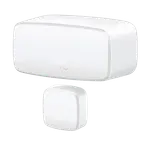
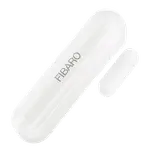
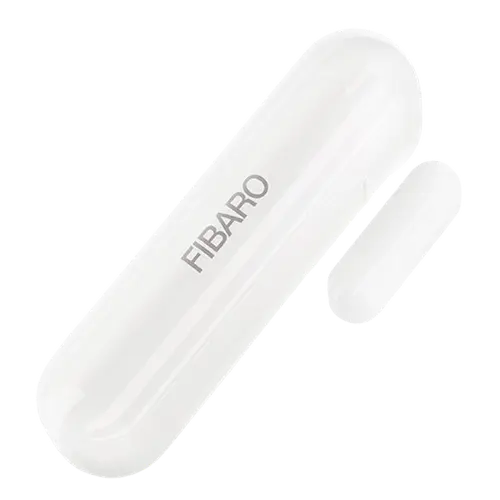
The Fibaro HomeKit-enabled Door/Window Sensor (FGBHDW-002) is one of the best-looking contact sensors around, small, low-profile, and available in colors to match your decor, and even critics praise its aesthetics. It connects directly to Apple HomeKit (via an Apple TV or iPad hub, no separate bridge or computer), sends open/close notifications, and adds a temperature reading with threshold alerts. When it works, owners like it for monitoring a front door. But its low average rating reflects serious, recurring problems. The biggest is alignment: it can't tolerate the common ~1/8-inch depth difference between a door and its frame, and unlike the Eve sensor (which includes several spacers), Fibaro provides none, so owners resort to stacking double-sided tape. Bluetooth range is very short (roughly 15 feet from the HomeKit hub), battery life is often around three months rather than the advertised two years (some cells arrive nearly dead), and weak adhesive plus a loose cover cause constant false tamper alerts. Temperature reads several degrees off, the sensor can 'sleep' and miss events, there's no open/close history logging (a feature Eve has), and the HomeKit code only appears in the manual. Customer support draws heavy criticism. Most reviewers recommend the Eve Door & Window instead. Buy this only if the looks matter most and your door is perfectly aligned within range of a hub.
- Owners prioritizing looks/low profile
- Perfectly aligned doors near a HomeKit hub
- Apple HomeKit users wanting a temperature reading
- Short-range indoor spots
Pros
- Small, low-profile, attractive design with color options
- Direct Apple HomeKit setup with no separate bridge or computer
- Built-in temperature reading with threshold alerts
- Works well when the door is perfectly aligned and near a hub
- Reasonable initial setup via the Fibaro app
Cons
- Poor alignment tolerance; no spacers included (Eve provides them)
- Very short Bluetooth range (~15 feet from the hub)
- Battery life often ~3 months vs the advertised 2 years
- Constant false tamper alerts from weak adhesive and loose cover
- Inaccurate temperature, no history logging, and poor customer support
Who is the Fibaro HomeKit sensor for?
This is a small, HomeKit-enabled Bluetooth door and window contact sensor with a built-in temperature reading. It connects to Apple HomeKit through an Apple TV or iPad hub (no separate bridge), sending open/close notifications and temperature alerts, and it comes in several colors. It runs on a non-rechargeable specialty battery. It best suits Apple HomeKit users who prioritize a discreet, attractive design, have doors that sit perfectly flush with their frames, and can place the sensor within about 15 feet of a HomeKit hub. Given widespread reliability complaints, it's hard to recommend for security-critical use, if you want dependable detection or long battery life, read the caveats first (most owners point to the Eve Door & Window instead).
What buyers love
The design is the near-universal positive: even owners who dislike everything else call it small, low-profile and attractive, with color options to blend into a home's decor and a professional look once installed. HomeKit integration is straightforward, you set it up in the Apple Home app with no computer or bridge, and it can send phone notifications when a door or window opens and drive automations (for example, turning off the air conditioning when a window opens). The built-in temperature sensor is a genuine differentiator over some competitors, and it can alert you when the temperature crosses a set threshold. For owners whose doors happen to be well-aligned and close to a hub, it works well for monitoring a front door, useful for keeping tabs on a wandering child or an elderly relative, and the Fibaro app itself is reasonably good for initial setup and discovery.
What to know before you buy
The reliability problems are significant and frequently reported. Alignment is the worst: the sensor can't handle the common ~1/8-inch depth difference between a door and its frame, and struggles even on a flat table for some owners, and unlike the Eve sensor (which ships with about six spacers), Fibaro includes none, so owners build up double-sided tape to raise the smaller half. Bluetooth range is very short, roughly 15 feet from the HomeKit hub, or it won't communicate. Battery life is often about three months versus the advertised two years, some units arrive nearly dead, and the battery is a costly non-rechargeable specialty cell. Weak adhesive (which can't hold the device's own weight, even on non-porous surfaces) and a loose cover trigger constant false tamper notifications. The temperature reads several degrees off, the sensor can go into a deep sleep and miss open/close events (sometimes needing a Bluetooth off/on to wake), and there's no open/close history logging (a feature Eve has). The HomeKit setup code is printed only in the manual, so losing it prevents re-pairing, and customer support is repeatedly described as unhelpful (including refusing to replace a dead-on-arrival battery), with some units arriving refurbished or failing after a battery change. It's also pricier than competing HomeKit sensors.
Is the Fibaro HomeKit sensor worth it?
For most buyers, no. The Fibaro HomeKit Door/Window Sensor looks fantastic and offers HomeKit notifications plus a temperature reading, but its execution falls short: poor tolerance for slightly misaligned doors (with no spacers included), very short Bluetooth range, battery life far below the advertised two years, constant false tamper alerts, inaccurate temperature, no history logging, and weak customer support. Buy it only if aesthetics are your top priority, your door sits perfectly flush, and it will live within about 15 feet of a HomeKit hub, and even then, temper your expectations. For dependable HomeKit door and window sensing, most owners recommend the Eve Door & Window, which includes alignment spacers, offers event logging, and proves far more reliable.
Frequently asked questions
Does it need a hub?
It connects to Apple HomeKit and needs a HomeKit hub, an Apple TV or iPad, for remote notifications and automations. There's no separate Fibaro bridge required. Note the Bluetooth range is short: the sensor must be within roughly 15 feet of the hub or it may fail to communicate.
Why won't it detect my door as closed?
This is the most common complaint. The sensor can't tolerate the typical ~1/8-inch depth difference between a door and its frame, and Fibaro, unlike Eve, includes no spacers. Owners fix it by stacking layers of double-sided tape under the smaller half to raise it to the same height as the larger piece, but alignment remains finicky.
How long does the battery last?
Often far less than advertised. Fibaro claims about two years, but many owners get roughly three months, and some units arrive with the specialty non-rechargeable battery nearly dead. Combined with reports of poor support (including refusals to replace a dead-on-arrival battery), this is a real drawback.
Why do I keep getting tamper alerts?
The weak included adhesive can't reliably hold the device's weight (even on non-porous metal frames), so it shifts or falls off, and the cover doesn't seat tightly, either of which triggers false tamper notifications. Many owners find their sensors constantly report as tampered because of these design issues.
How does it compare to the Eve Door & Window?
Owners repeatedly favor the Eve sensor. Eve includes alignment spacers (making install far easier), offers a month of open/close event logging, has better range and reliability, and is often cheaper. Fibaro's main edge is its built-in temperature reading and looks, but on dependability, most reviewers recommend Eve instead.