

Philips Hue Secure Contact Sensor Review: Reliable, Discreet and Perfect for Light Automation (If You Have a Hue Bridge)
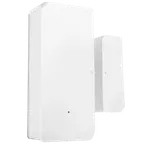
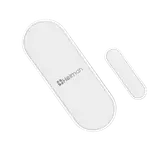
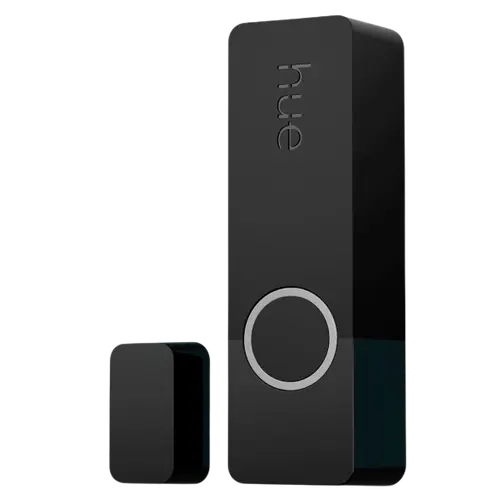
The Philips Hue Secure Contact Sensor is a polished, reliable door and window sensor that shines for owners already in the Hue ecosystem. Its most-loved use is automation: opening a door instantly turns on your Hue lights, ideal for a laundry room, garage entry, or arriving home at night, and it also powers the Hue Secure alarm, arming your system and flashing your lights (white or red) plus notifying or calling you if a door opens. Owners repeatedly say Hue products 'just work,' and this is no exception: detection is very reliable, the magnet triggers strongly from any direction, and a status light confirms the contact. It's much smaller and more discreet than expected, setup and pairing take minutes, it works with Apple HomeKit (a common reason to buy), and the replaceable CR2 battery is rated around three years with a low-battery warning. The caveats are minor: it's premium-priced like all Hue gear, requires a Hue Bridge (not standalone), and, surprisingly for the price, doesn't include mounting screws (you need flat-head screws so the sensor still slides onto its base). It also notifies on both open and close (you can't get open-only alerts), and Hue's occasional limitations come from the app rather than the hardware. For a Hue household wanting dependable light automation and simple security, it's an easy, if pricey, recommendation.
- Existing Philips Hue households
- Automating lights on door open
- Hue Secure alarm users
- Apple HomeKit users
One sensor per door or window.
Buy on Amazon USACheck pricePros
- Seamless Hue integration; instantly triggers lights on door open
- Powers the Hue Secure alarm (arm/disarm, notifications, flashing lights)
- Very reliable detection with a strong magnet and status light
- Compact, discreet design and quick, easy setup
- Works with Apple HomeKit; replaceable ~3-year CR2 battery
Cons
- Premium-priced and requires a Hue Bridge (not standalone)
- No mounting screws included (needs flat-head screws)
- Notifies on both open and close (no open-only alerts)
- Occasional app/software limitations; no IFTTT
- Indoor use only
Who is the Hue Secure Contact Sensor for?
This is a Zigbee door and window contact sensor that requires a Philips Hue Bridge and is designed for the Hue Secure system. It works with the Hue app and integrates with Apple HomeKit, Google Home, Alexa, SmartThings and Home Assistant (with Matter support via the Hue Bridge), and runs on a replaceable CR2 battery. It best suits existing Hue owners who want to automate lights on door open, use the Hue Secure alarm (arm/disarm, notifications, flashing lights), and want HomeKit-compatible sensors. It's indoor-rated and not standalone, so if you don't have a Hue Bridge, want an outdoor sensor, or need a budget option, this isn't the right pick.
What buyers love
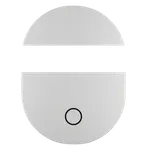
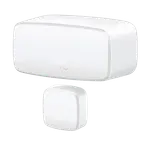
The standout is seamless Hue integration for lighting: opening a door instantly triggers your Hue lights, which owners use for a laundry room, a garage entrance you can't see from inside, or a welcoming courtyard lamp when arriving or leaving. It also drives the Hue Secure alarm, so owners arm the system and get notifications when any door or window opens, with configurable alerts that can flash specific or all lights white or red and even call you, several say it became a daily-use part of their setup. Reliability is a recurring theme: detection is consistent (owners describe near-flawless performance), the magnet is strong and triggers from any direction as long as it's close, and a small ring/light confirms the contact and mode. The sensors are notably compact and discreet, much smaller than owners expect from the box, and setup, syncing and installation are quick and painless, like other Hue products. It works with Apple HomeKit (a frequent reason to choose it over other sensors), tolerates door trim and slightly uneven surfaces, and the replaceable CR2 battery (two included) is rated around three years with a low-battery notification. Overall, owners trust the brand and find it 'just works.'
What to know before you buy
The trade-offs are modest but worth knowing. It's premium-priced, as Hue gear tends to be, and it requires a Hue Bridge to function, so it's not a standalone sensor. Surprisingly for the price, it doesn't include mounting screws, if you want to screw the main sensor down (rather than use the included double-sided tape) you'll need to source flat-head screws, since rounded heads interfere with the sensor sliding onto its base. Functionally, the main limitation is that it notifies on both open and close, there's no option for open-only alerts, so a door that closes on its own will notify you twice. Owners also note that Hue's shortcomings come from the app/software rather than the hardware (for example, occasional HomeKit compatibility hiccups), and one wishes it could also pair with a non-Hue app like ecobee simultaneously. Finally, the packaging is oversized relative to the small sensor, which can lead to size surprises, always test alignment before applying the adhesive. There's no IFTTT support, and it's designed for indoor doors and windows.
Is the Hue Secure Contact Sensor worth it?
For a Philips Hue household, the Hue Secure Contact Sensor is an easy recommendation: it's reliable, compact and discreet, sets up in minutes, and excels at both light automation (turn on lights when a door opens) and simple security via Hue Secure (arm/disarm, notifications, flashing-light alarms), plus it works with Apple HomeKit. The downsides are minor, it's premium-priced, needs a Hue Bridge, ships without screws, and notifies on both open and close. Buy it if you already run Hue and want dependable, good-looking sensors for lighting and basic security; if you don't have a Hue Bridge, want outdoor use, open-only notifications, or a cheaper option, choose a different contact sensor.
Frequently asked questions
Do I need a Hue Bridge?
Yes. The sensor is not standalone, it requires a Philips Hue Bridge to work, connecting via Zigbee to the Hue app. Through the bridge it integrates with Apple HomeKit, Google Home, Alexa, SmartThings and Home Assistant, and supports Matter.
What can it do besides detect open/close?
Its most popular use is automation, opening a door instantly turns on your Hue lights. It also drives the Hue Secure alarm: you can arm/disarm the system, get notifications when a door or window opens, and set alarms that flash specific or all lights white or red, or even call you, when triggered.
Does it come with screws?
No, and this surprises owners given the premium price. It includes double-sided tape for mounting, but if you want to screw the main sensor down you'll need to supply flat-head screws yourself, rounded heads interfere with the sensor sliding onto its base. Test alignment before applying the adhesive.
Can I get notified only when a door opens?
No. It notifies on both open and close, so there's no open-only option, a door that closes by itself will notify you twice. Owners note this as a minor limitation of the Hue app rather than the sensor itself.
Does it work with Apple HomeKit?
Yes, and it's a common reason to buy it. Through the Hue Bridge it works with Apple HomeKit (as well as Google Home, Alexa, SmartThings and Home Assistant). A few owners mention occasional Hue-to-HomeKit hiccups, but these stem from Hue's app/software rather than the sensor hardware.