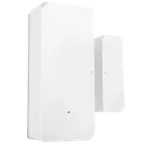
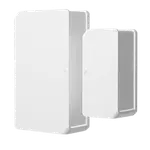
2026 verdict
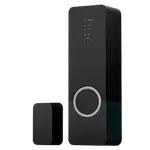
Through the Hue Bridge it reaches Apple HomeKit, Google Home, Alexa, SmartThings, Home Assistant and Matter, where the
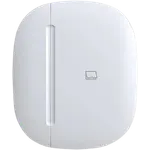
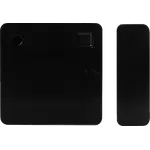
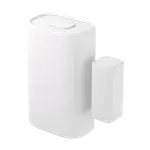
Sonoff SenseGuard DW Gen2 covers Alexa, Google Home, SmartThings, Home Assistant and IFTTT but stops short of HomeKit and Matter. The
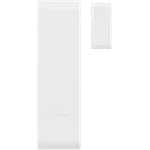
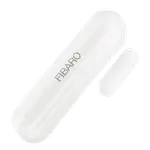
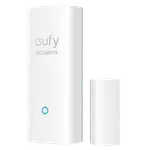
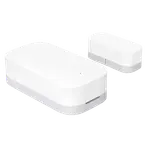
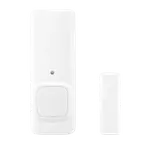
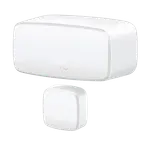
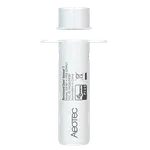
Philips Hue Secure Contact Sensor also carries a two-year warranty against the Sonoff's one, a compact body with a strong magnet and a status light, and it drives Hue lighting and the Hue Secure alarm the moment a door opens. The
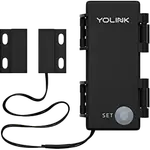
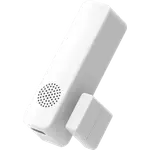
Sonoff SenseGuard DW Gen2 answers with a tamper switch, low-battery warnings, 90 days of history and OTA updates, and it runs on two AAA cells rated for three years, which is easier to live with than the Hue's CR2. Both are indoor-only and both need a hub. Choose the
Sonoff SenseGuard DW Gen2 to cover many doors on a generic Zigbee network with tamper alerts, and the
Philips Hue Secure Contact Sensor when the sensor should serve Hue lights and Apple Home.
What owners say
Owners of both sensors praise reliable detection, and both groups lean on their hub app rather than the sensor itself. Philips Hue Secure Contact Sensor owners mostly talk about lighting: opening a door switches on Hue lights, which they use for a laundry room, a garage entry or arriving home after dark, and the same sensor arms the Hue Secure alarm and can flash lights white or red. They call it smaller and more discreet than expected and easy to set up, but note that it ships without mounting screws and that it notifies on both open and close with no open-only option. Sonoff SenseGuard DW Gen2 owners highlight how quickly it pairs over Zigbee and the tamper switch that trips when it is pried off, and they like the standard AAA cells, while saying the body is bulkier and more visible than coin-cell rivals and that mounting is adhesive-only.