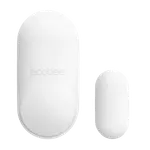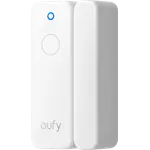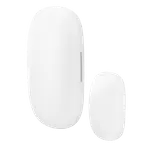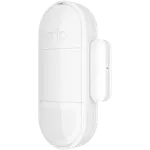


Ring Alarm Outdoor Contact Sensor Review: Great for Gates and Garages, Let Down by a Weak Mount
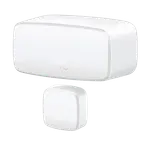
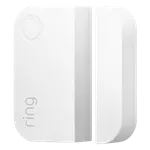
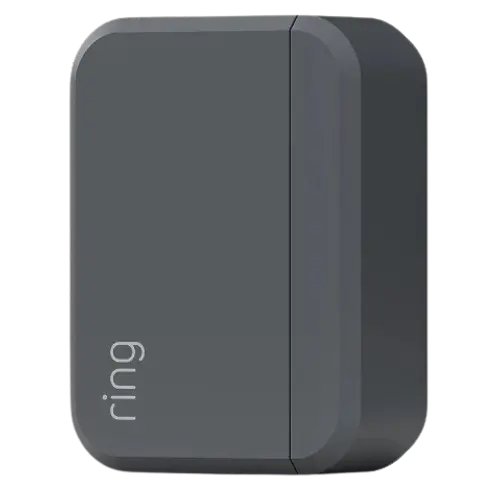
The Ring Alarm Outdoor Contact Sensor extends Ring Alarm monitoring to gates, garages, sheds and other outdoor spots, and owners find it genuinely useful for getting alerted when a side gate or garage door opens without wiring up every window. Its big strengths are weather and range: it's weather-resistant and keeps working in extreme cold (owners report reliable operation at -30C and below in Canadian garages, where indoor white sensors falsely reported 'tampered'), and it uses long-range Z-Wave, which reaches hundreds of feet, works in Wi-Fi dead zones, and avoids the 2.4GHz interference that affects Zigbee. It tolerates a wide (~1 inch) gap between sensor and magnet, gets multi-year battery life from 2 AA cells, and installs and pairs easily. The recurring, significant flaw is the mounting design: the sensor and especially the magnet slide off their brackets with the slightest bump or a slammed gate, dropping to the ground and triggering false 'tampered' or 'open' alerts, owners resort to zip ties, duct tape or a wood support block to keep them in place, and widely say Ring needs to redesign the housing. The tamper switch can also be finicky. It requires a Ring Alarm base station, is bulky and fairly pricey, and offers no Google, HomeKit or Matter support. Despite the mount, most owners find it reliable once secured, and recommend it for gates and garages on a Ring system.
- Monitoring gates, garages and sheds
- Cold-climate outdoor use
- Long-range coverage in Wi-Fi dead zones
- Existing Ring Alarm systems
Pros
- Weather-resistant and reliable in extreme cold
- Long-range Z-Wave; works in Wi-Fi dead zones, no 2.4GHz interference
- Great for gates, garage doors and sheds
- Tolerates a wide (~1 inch) sensor-to-magnet gap
- Multi-year battery life on easy-to-replace AA cells
- Works with Ring Alarm out of the box, plus Alexa, IFTTT and Home Assistant
Cons
- Sensor and magnet pop off their brackets far too easily, causing false alerts
- Finicky tamper switch after hard gate closes
- Bulky and awkward to mount on uneven wood gates
- Requires a Ring Alarm base station; pricey
- No Google Home, HomeKit or Matter support
Who is the Ring Outdoor Contact Sensor for?
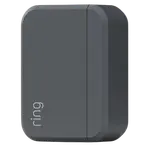
This is a weather-resistant (IP66) door and window contact sensor for outdoor spaces, gates, garage doors, sheds, aimed at Ring Alarm owners. It requires a Ring Alarm base station and uses long-range Z-Wave, sending open/close alerts that can trigger the alarm or just notify you. It works with Alexa, IFTTT and Home Assistant, but not Google Home, Apple HomeKit, SmartThings or Matter. It runs on 2 AA batteries rated up to about 5 years. It best suits people monitoring gates, garages or sheds, cold-climate outdoor installs, coverage in Wi-Fi dead zones, and existing Ring Alarm systems. If you need a compact sensor, a rock-solid mount, or non-Ring platform support, read the caveats first.
What buyers love
The core appeal is monitoring outdoor entry points that indoor sensors can't handle: owners use it on side gates, garden gates, shed doors and overhead garage doors, getting instant alerts when they open, often just for notifications rather than full alarming, which saves adding sensors to every window. Weather performance is a standout, it's built for the elements and keeps working in extreme cold, with Canadian owners reporting reliable operation at -30C and even -38C in garages where standard indoor sensors falsely reported tampering. Range is another strength: it uses long-range Z-Wave (rated to 250ft and reaching hundreds more with repeaters), works in Wi-Fi dead zones and yards, and avoids the 2.4GHz interference that can affect Zigbee, one owner gives it an extra star just for that. It tolerates a wide (~1 inch) gap between sensor and magnet, so it's forgiving of imperfect gate alignment, gets long battery life from easy-to-replace 2 AA cells, and pairs simply with the base station. It's durable, and Ring's customer support is repeatedly praised for reaching out to help.
What to know before you buy
The dominant complaint is the mounting design. The sensor, and especially the magnet, slides off its bracket with the slightest bump or a slammed gate, falling to the ground and triggering false 'tampered' or 'open' alerts, gardeners and normal gate use knock them off repeatedly. The bracket tabs are thin and weak, so owners resort to zip ties, duct tape, or a wood support block to keep the pieces in place, and many conclude Ring needs to redesign the housing. The tamper switch can also be finicky, sometimes reporting tampered after a hard gate close, or unless the baseplate is tightened to just the right threshold. Physically, it's bulky (two AA batteries), which makes it awkward on old, uneven wood gates, and the thin half mounts at an odd angle with little contact surface, leaving it protruding as an easy target for bumps. It requires a Ring Alarm base station, is fairly pricey, and some worry about the brown plastic case's longevity in hot summers, though it's technically rated only to about -20C for fully exposed outdoor use (it performs better sheltered in a garage). There's no Google Home, HomeKit or Matter support, and clearing snow from under a garage door is needed for it to register as closed.
Is the Ring Outdoor Contact Sensor worth it?
For a Ring Alarm household that wants to monitor gates, garages or sheds, the Ring Alarm Outdoor Contact Sensor is worth it once you secure it properly: it's weather-resistant, works reliably in extreme cold, offers strong long-range Z-Wave coverage in Wi-Fi dead zones, tolerates a wide gap, and lasts years on AA batteries. The clear catch is the mount, the sensor and magnet pop off far too easily, causing false alerts, so plan to reinforce them with a zip tie, tape or a support block, and expect a slightly finicky tamper switch. It's also bulky, pricey, and Ring-only (no Google/HomeKit/Matter). Buy it if you're on Ring Alarm and need durable outdoor gate or garage monitoring and are willing to reinforce the mount; if you want a compact, secure-mounting sensor or broad platform support, look elsewhere.
Frequently asked questions
Does it work without a Ring Alarm system?
No. Like Ring's indoor contact sensor, it requires a Ring Alarm base station to function. Once paired, it can trigger the alarm or simply send open/close notifications, and it integrates with Alexa, IFTTT and Home Assistant. There's no Google Home, HomeKit, SmartThings or Matter.
Why do the sensor or magnet keep falling off?
This is the most common complaint: the mounting bracket tabs are thin and weak, so the sensor, and especially the magnet, slides off with the slightest bump or a slammed gate, dropping to the ground and triggering false 'tampered' or 'open' alerts. Owners fix it with a zip tie through the mount slot, duct tape, or a wood support block placed next to the magnet.
How well does it handle cold and outdoor weather?
Very well when sheltered. It's weather-resistant, and owners in cold climates report it working reliably in a garage down to -30C and below, where indoor white sensors falsely reported tampering. Note it's technically rated to about -20C for fully exposed outdoor use, so for a gate or shed in extreme winter cold, results may vary more than in a garage.
How is the wireless range?
Strong. It uses long-range Z-Wave rated to 250ft and reaching farther with repeaters, so it works in Wi-Fi dead zones and across yards, and avoids the 2.4GHz interference that can affect Zigbee sensors. Owners have it working reliably on gates and sheds well away from the hub.
How long do the batteries last?
The 2 AA batteries are rated up to about 5 years and are easy to replace by sliding out the sensor. A few owners report faster-than-expected drain on individual units, but most get long life, and the larger size that makes it bulkier is what allows the extended battery runtime.