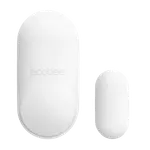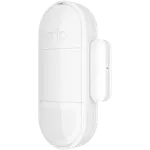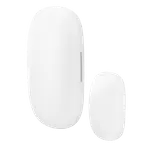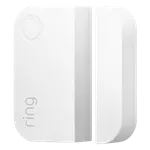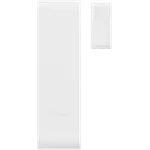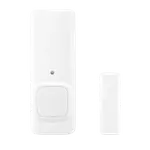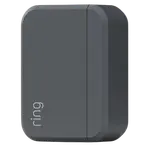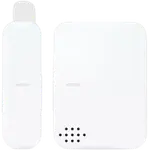


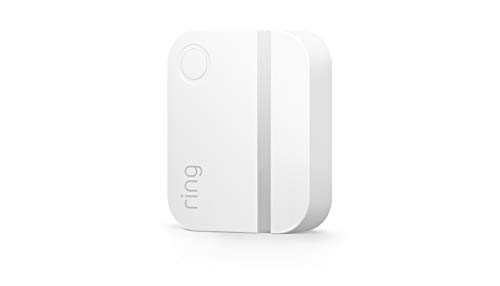
Ring Alarm Contact Sensor (2nd Gen) Review: A Reliable, Easy Door and Window Sensor for Ring Alarm
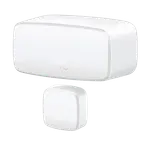
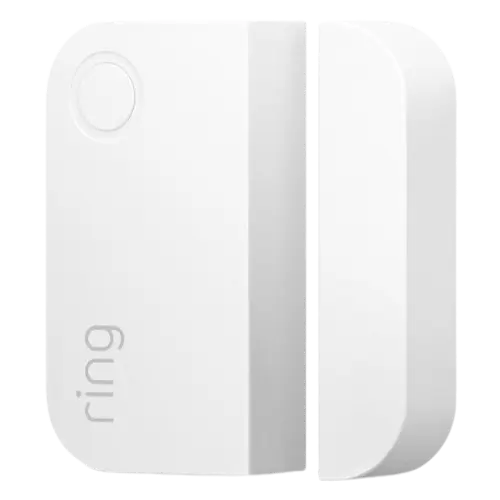
The Ring Alarm Contact Sensor (2nd Gen) is a popular, highly rated door and window sensor for anyone building out a Ring Alarm system. Owners love how easy it is, peel-and-stick (or screw) mounting with no tools, pairing with the Ring app in minutes, and it delivers instant, reliable open/close alerts to your phone. It is slim and discreet (much smaller than the 1st gen), gets multi-year battery life from its CR2032 cells with easy replacement, includes tamper detection, and the newest version adds a screw-down battery cover that stops cells from falling out and adds tamper protection. It is affordable in multipacks and integrates with Alexa, IFTTT and Home Assistant, and Ring's customer support is repeatedly praised for swapping defective units without hassle. The key limitations: it is not standalone, it requires a Ring Alarm base station (and advanced features like history need a Ring Protect subscription), and it needs a flat mounting surface, on metal doors or curved/uneven trim it can drop into a persistent Tampered state unless you add a wooden spacer or remount it flat. The adhesive is also on the weak side for long-term use. For a Ring Alarm household, it is an easy, dependable way to secure entry points.
- Existing Ring Alarm systems
- Simple DIY door and window monitoring
- Discreet, long-battery-life sensors
- Alexa or Home Assistant users on Ring
Pros
- Peel-and-stick, tool-free install; pairs in minutes
- Instant, reliable open/close alerts
- Slim, discreet design (smaller than 1st gen)
- Multi-year CR2032 battery life with easy replacement
- Tamper detection and a screw-down battery cover on the newest version
- Affordable multipacks and excellent Ring customer support
Cons
- Requires a Ring Alarm base station; not standalone
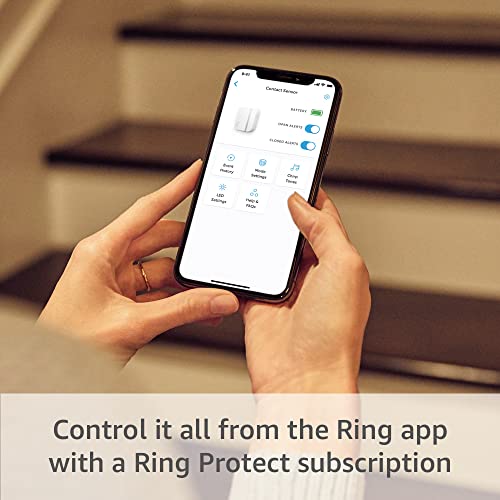
- Advanced features (history) need a Ring Protect subscription
- Needs a flat surface; metal doors/curved trim can trigger a Tampered state
- Weak included adhesive; use stronger tape or screws
- Latest revision isn't compatible with older 2nd-gen mounts
Who is the Ring Contact Sensor for?
This is a door and window contact sensor designed to work as part of a Ring Alarm system, it requires a Ring Alarm base station and is not a standalone device. It sends instant open/close alerts, supports tamper detection, and integrates with Alexa, IFTTT and Home Assistant (there is no Google Home, Apple HomeKit or Matter). It runs on 2 CR2032 batteries rated up to about 3 years. It best suits people who already have or are building a Ring Alarm system, want simple DIY entry-point monitoring, and value a slim, long-life sensor. If you want a hub-free standalone sensor or one for metal doors and uneven surfaces, read the caveats first.
What buyers love
Ease of use is the headline: installation is peel-and-stick (or screws if preferred) with no tools, and the sensors pair with the Ring app and base station in minutes. Alerts are instant and reliable, owners get immediate phone notifications when a door or window opens, which is exactly the peace of mind they want. The 2nd-gen design is slim and discreet, much smaller than the 1st gen, and blends into frames. Battery life is a strong point, with the CR2032 cells lasting a year to three and being quick to replace, and the newest version's screw-down battery cover is widely appreciated for keeping cells from falling out and adding tamper protection, owners feel Ring listened to feedback. Tamper detection gives extra reassurance, the sensors are affordable in multipacks to expand coverage, and they integrate cleanly into the broader Ring system plus Alexa, IFTTT and Home Assistant. Owners also repeatedly praise Ring's customer support for instantly replacing the occasional defective sensor. Mounting is fairly forgiving too, some install the two pieces at right angles on windows and still get reliable detection.
What to know before you buy
The biggest limitation is that it is not standalone: it only works with a Ring Alarm base station, so it is useless without that system, and advanced features like event history need a Ring Protect subscription. Mounting surface matters a lot, on metal doors, curved moulding, or doors that must be slammed, the sensor can drop into a persistent Tampered state. The fixes are to mount on an absolutely flat surface and add a wooden spacer on metal (owners use cut paint-stirrer sticks), but it can take some troubleshooting to get right. The included adhesive is also weak for long-term use, so owners recommend stronger double-sided tape or screws. Note the latest 2.1 revision isn't cross-compatible with older 2nd-gen mounts, so if you're replacing a failed older sensor you'll need to remount rather than slide the new one onto the existing bracket. Occasional false alarms can occur if alignment is off, and a rare sensor may burn through batteries (Ring replaces these). Finally, there's no Google Home, HomeKit or Matter support.
Is the Ring Contact Sensor worth it?
For a Ring Alarm household, the Ring Alarm Contact Sensor (2nd Gen) is an easy, dependable choice: quick peel-and-stick install, instant reliable alerts, a slim design, multi-year battery life, tamper detection, and a handy screw-down battery cover, all at a good multipack price with excellent support. The main caveats are that it requires a Ring Alarm base station (and a subscription for advanced features), needs a flat mounting surface (add a spacer on metal to avoid Tampered errors), and has weak adhesive. Buy it if you're expanding a Ring Alarm system and want simple, reliable door and window coverage; if you want a standalone sensor with no hub, or Google/HomeKit/Matter support, choose a different sensor.
Frequently asked questions
Does it work without a Ring Alarm system?
No. The contact sensor is not standalone, it requires a Ring Alarm base station to function. It integrates with the Ring app and system (and with Alexa, IFTTT and Home Assistant), but advanced features like event history need a Ring Protect subscription.
Why do my sensors go into Tampered mode?
This usually comes down to the mounting surface. On metal doors, curved moulding, or doors you have to slam, the tamper switch can be affected. The fixes are to mount on an absolutely flat surface and add a wooden spacer on metal (owners use cut paint-stirrer sticks), which resets the sensor and keeps it working reliably.
How long does the battery last?
The 2 CR2032 batteries are rated up to about 3 years, and owners commonly get a year or more before swapping, which is quick and easy. The newest version adds a screw-down battery cover that keeps cells from falling out. A rare sensor may drain batteries fast, in which case Ring replaces it.
Does it work with Alexa, Google Home or HomeKit?
It works with Alexa, IFTTT and Home Assistant as part of the Ring ecosystem. It does not support Google Home, Apple HomeKit or Matter. Its primary role is arming and alerting within the Ring Alarm system.
Will a new sensor fit my old Ring mounts?
Not necessarily. The latest 2.1 revision has a redesigned battery cover and slide, so it isn't compatible with the mounts glued down for older 2nd-gen sensors. If you're replacing a failed older unit, plan to remove the old mount and reinstall rather than sliding the new sensor onto the existing bracket.