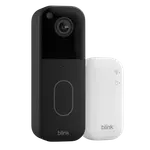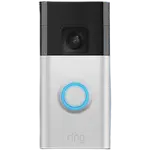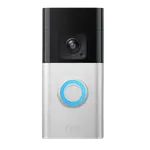
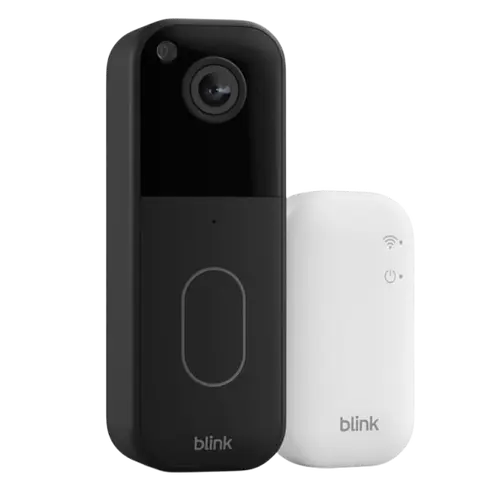


Blink Video Doorbell Review: A Cheap, Head-to-Toe Ring Alternative With Subscription and Storage Catches
The Blink Video Doorbell is a budget-friendly alternative to Ring, and its latest generation adds a genuinely useful head-to-toe view that shows visitors top to bottom and packages on the ground. Owners like the clear day and night video, prompt notifications, clear two-way audio, easy setup with the included Sync Module, and 3x AA batteries with optional wiring to an existing chime, all at a lower price than Ring, with tidy integration into the Blink ecosystem and Alexa. But its solid average rating reflects real frustrations. The biggest change: this new model's Sync Module drops the local USB storage that older Blink gear offered, effectively forcing you onto a paid cloud plan, and without a subscription, motion descriptions are generic ('there is someone at the doorbell,' no photo, no distinction between a passerby and an actual visitor) and features get restricted when the trial ends. You also can't adjust motion sensitivity or range, so on a busy walkway it alerts constantly. There are quality-control complaints on the new generation too (a black vignette/halo around the video from poorly molded plastic, easily-scratched faces, and Sync Modules that won't connect), though Blink's support wins praise for replacing defective units once a human gets involved. It also drops offline in extreme cold and is 2.4GHz Wi-Fi only, with no HomeKit, Google or Matter. For a cheap doorbell within Blink/Alexa, it works, if you accept the subscription and its limits.
- Budget Ring alternatives
- Existing Blink or Alexa households
- Battery or wired flexibility
- Head-to-toe views (see packages)
Pros
- Affordable alternative to Ring
- Head-to-toe view shows visitors top to bottom and packages
- Clear day and night video with prompt alerts and two-way audio
- Easy setup; battery or wired power, with the Sync Module included
- Integrates with the Blink ecosystem and Alexa
- Responsive support that replaces defective units
Cons
- New Sync Module removes local storage, pushing you to paid cloud plans
- Key features and accurate motion descriptions require a subscription
- Motion sensitivity/range can't be adjusted, causing over-alerting
- Quality-control issues on the new model (video vignette, scratch-prone face, Sync Module faults)
- Goes offline in extreme cold; 2.4GHz-only, no HomeKit/Google/Matter
Who is the Blink Video Doorbell for?
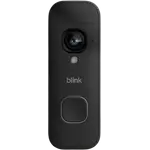
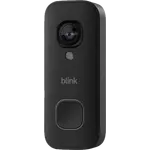
This is Blink's affordable video doorbell, powered by 3 AA batteries (rated around 2 years) with optional wiring to an existing chime, with an included Sync Module. It streams HD with a tall 150-by-150-degree head-to-toe view and black-and-white night vision, connects over 2.4GHz Wi-Fi, and works with Alexa and IFTTT (no Google Home, Apple HomeKit or Matter), and Home Assistant reads it through its official Blink integration. The new Sync Module has no local storage, so cloud recording requires a subscription, and person/familiar-face alerts also need a plan. It best suits budget buyers wanting a Ring alternative, existing Blink or Alexa households, people who want battery-or-wired flexibility, and anyone who wants a head-to-toe view to see packages. If you need local storage, adjustable motion sensitivity, or subscription-free smart alerts, read the caveats first.
What buyers love
Value is the headline: it's a cheaper alternative to Ring that still covers the basics well. The new head-to-toe view is a real upgrade, capturing visitors from top to bottom and packages left on the ground, which older doorbells missed. Video is clear in daylight and at night, notifications are prompt, and two-way audio works well. Setup is generally easy with the included Sync Module and an intuitive app (mounting hardware is included, and you can run it on batteries alone or also wire it to your chime), and owners like being able to pick which features to enable in settings. It integrates neatly with the wider Blink camera ecosystem and Alexa, you can even use a Blink Mini camera as an indoor chime, and owners feel more secure being able to see and speak to whoever's at the door from anywhere. When problems arise, Blink's customer support earns praise: several one-star reviewers updated to five stars after support (naming reps like Kevin and Alex) diagnosed and replaced faulty Sync Modules or doorbells.
What to know before you buy
The most important change: this new-generation Sync Module drops the local USB storage older Blink gear offered, so you're effectively pushed to a paid cloud plan. Without a subscription, motion notifications are generic ('there is someone at the doorbell') with no photo and no way to tell a passerby from an actual ringer, and features become restricted once the free trial ends. The plans are widely called expensive. A second major gripe is that you can't adjust motion sensitivity or detection range, so on a busy walkway or pathway it alerts constantly rather than just at your door. Quality control on the new model draws complaints too: one detailed reviewer received several units with a black vignette/halo around the video (from poorly molded plastic), plus easily-scratched, cheap-feeling faces, and others got Sync Modules that wouldn't connect to Wi-Fi (support replaced them). Battery life can disappoint, draining quickly for some even when hardwired, the Sync Module needs to sit near your router, and the doorbell can go offline in extreme cold (below about -15C) until it warms up. Finally, it's 2.4GHz Wi-Fi only, with no HomeKit, Google Home or Matter support.
Is the Blink Video Doorbell worth it?
For a cheap, easy doorbell within the Blink/Alexa ecosystem, the Blink Video Doorbell delivers the essentials: clear day-and-night video, a useful head-to-toe view, prompt alerts, two-way audio, battery-or-wired flexibility, and responsive support. The catches are significant, though: the new Sync Module removes local storage (pushing you to a paid cloud plan), key features and accurate motion descriptions require a subscription, you can't adjust motion sensitivity (leading to over-alerting on busy paths), and there are quality-control and cold-weather quirks. Buy it if you want an affordable Ring alternative, are fine paying for a Blink plan, and don't need local storage or fine-grained motion control; if you want subscription-free local recording, adjustable sensitivity, or HomeKit/Google support, look elsewhere.
Frequently asked questions
Does it store video locally?
No, not the new generation. Unlike older Blink gear, the included new Sync Module has no local USB storage, so cloud recording effectively requires a paid subscription. This is a common complaint from owners who valued Blink's previous local-storage option.
Do I need a subscription?
For the full experience, yes. Live view, two-way talk and basic alerts work during the free trial, but afterward saved video and useful features are restricted. Without a plan, motion notifications are generic ('there is someone at the doorbell') with no photo, and person/familiar-face alerts need a subscription. Owners find the plans expensive but note a low-cost basic tier exists.
Can I limit motion alerts to just my doorway?
Not by sensitivity. A frequent complaint is that you can't adjust motion sensitivity or detection range, so on a busy path or walkway it alerts on everyone who passes rather than just people at your door. There are motion zones, but the lack of a sensitivity control leads to over-alerting for many owners.
How is the video and field of view?
Video is clear in daylight and at night, and the standout is the head-to-toe (150 by 150 degree) view, which captures visitors top to bottom and packages on the ground, an upgrade over older doorbells. Note some new-model units had a black vignette/halo around the video from poorly molded plastic, so inspect footage within the return window.
Does it work in cold weather and what powers it?
It runs on 3 AA batteries (rated around 2 years) and can also be wired to a chime, though some owners see fast battery drain even when wired, and the Sync Module must be near your router. In extreme cold (below about -15C) the doorbell can drop offline until it warms up, so cold-climate buyers should keep that in mind.