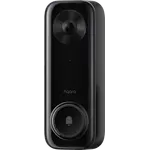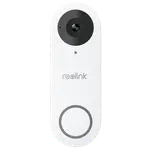


Reolink Doorbell WiFi Review: The No-Subscription 2K Doorbell That Records Locally
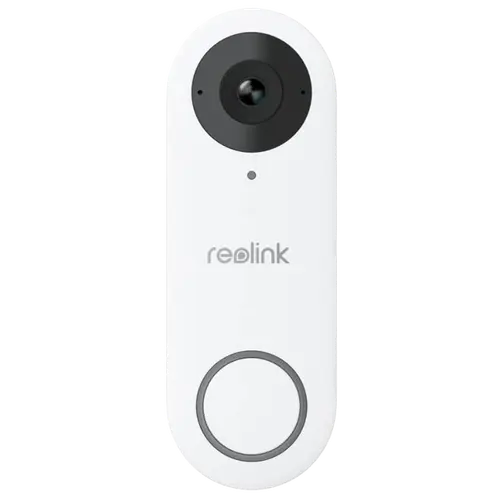
The Reolink Doorbell WiFi is one of the best value video doorbells for people who refuse to pay monthly fees: it shoots sharp 2K, records 24/7 locally to a microSD card (up to 256GB) or a Reolink NVR with no subscription, and integrates cleanly with Alexa, Google Home and Home Assistant. It is a wired doorbell with dual-band 2.4/5GHz Wi-Fi, a chime in the box, two-way talk and reliable person and package detection. The main things to know: it needs 12 to 24V power (8V doorbell transformers will not run it), the QR-code Wi-Fi setup and signal at the door can be fiddly, and its tall 3:4 field of view favors a head-to-toe porch view over a wide side angle.
- No-subscription buyers
- Reolink NVR / Home Assistant users
- Wired install homes
- Value vs Ring buyers
Pros
- No subscription required: records locally to microSD (up to 256GB) or a Reolink NVR
- Sharp 2K video with a head-to-toe 3:4 field of view
- Dual-band 2.4/5GHz Wi-Fi, included plug-in chime and clear two-way talk
- Works with Alexa, Google Home and Home Assistant, plus RTSP and WebRTC
- Reliable, configurable person and package detection with filtered playback
- IP65 weather resistance and strong value versus subscription rivals
Cons
- Wired-only and needs 12 to 24V; 8V doorbell transformers will not power it
- QR-code Wi-Fi setup can be fiddly and it needs good signal at the door
- App does not auto-open the live view when someone rings
- Only one chime included and no color night vision or HDR
- Tall 3:4 view is narrow side to side, not a wide panoramic angle
- No HomeKit, SmartThings, IFTTT or Matter support
Who is the Reolink Doorbell WiFi for?
This is a wired video doorbell aimed at people who want local, fee-free recording instead of a cloud subscription. It captures 2K video with black-and-white night vision and a tall 3:4, head-to-toe field of view (100 degrees horizontal, 135 vertical) so you can see a package on the step as well as a face. It connects over dual-band 2.4/5GHz Wi-Fi, includes a plug-in chime, and stores footage on a microSD card (up to 256GB), to a Reolink NVR, or to optional cloud. It works with Alexa, Google Home and Home Assistant (with RTSP and WebRTC for self-hosted setups), is IP65 weather resistant, and offers two-way talk, quick voice replies, privacy zones and person and package alerts. It best suits owners of an existing Reolink ecosystem, Home Assistant tinkerers, and anyone replacing a Ring or Nest to escape recurring fees.
What buyers love
The recurring theme is no monthly fees with full local control. Owners repeatedly praise dropping Ring and Arlo subscriptions and storing weeks or months of footage on a single microSD card, with seamless integration into Reolink NVRs and Home Assistant. The 2K image is called sharp and clear day and night, audio is loud and clear over the included chime, and the box ships with multiple cabling options that make reusing existing doorbell wiring straightforward. Buyers like the configurable smart detection (people, vehicles, packages) with filtered timeline playback, and several report strong, responsive customer support, including help and fair replacements outside warranty. Many describe it as far better value than Ring for the features you get.
What to know before you buy
It is wired-only and power-sensitive: it needs 12 to 24V, so common 8V doorbell transformers will not run it, and several owners had to add the included adapter or a new transformer. Wi-Fi setup uses a QR code the camera reads from your phone, which some found awkward, and a weak signal at the door can cause slow loading or late notifications, so good coverage matters. There is only one chime included, and the app does not pop the live view open automatically when someone rings (you open the app to see and talk). The tall 3:4 field of view is great for head-to-toe coverage but narrow side to side, so it is not ideal if you want a wide panoramic porch view, and night vision is black and white only (no color), with no HDR, HomeKit, SmartThings, IFTTT or Matter support. A few buyers also found the optional cloud plan structure confusing, though local recording avoids it entirely.
Is the Reolink Doorbell WiFi worth it?
For buyers who want a no-subscription doorbell with local recording and real smart-home integration, yes, it is a strong, well-reviewed value. The hardware (2K, IP65, dual-band Wi-Fi, included chime, person/package detection) competes with pricier rivals while skipping the monthly fee, and it shines in a Reolink or Home Assistant setup. Just confirm you can supply 12 to 24V and have solid Wi-Fi at the door, and accept the tall field of view and black-and-white night vision. If those fit, it is one of the easiest doorbells to recommend on value.
Frequently asked questions
Does the Reolink Doorbell WiFi require a subscription?
No. It records 24/7 locally to a microSD card (up to 256GB) or to a Reolink NVR with no monthly fee, and also supports RTSP/WebRTC. An optional cloud plan exists but is not needed for core local recording.
Does it work with Alexa, Google Home and Home Assistant?
Yes. It supports Amazon Alexa, Google Home and Home Assistant, and exposes RTSP and WebRTC streams for self-hosted setups. It does not support Apple HomeKit, Samsung SmartThings, IFTTT or Matter.
Is it battery powered or wired?
It is a wired doorbell, with no rechargeable battery. It needs 12 to 24V power, so an 8V doorbell transformer will not run it; the box includes a power adapter and multiple cabling options.
What video quality and field of view does it have?
It records 2K video with black-and-white night vision and a tall 3:4, head-to-toe field of view (100 degrees horizontal, 135 vertical), so you can see visitors and packages on the step. There is no HDR or color night vision.
How is the Wi-Fi and setup?
It uses dual-band 2.4/5GHz Wi-Fi and is set up by having the camera scan a QR code from your phone. Setup is generally easy, but a weak signal at the door can slow loading or delay notifications, so good coverage helps.