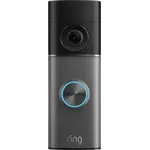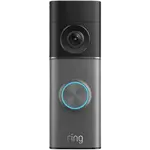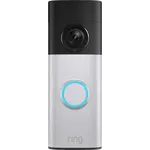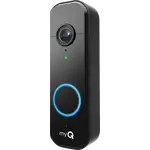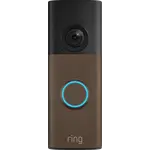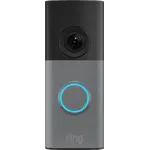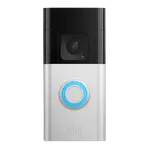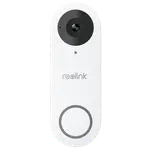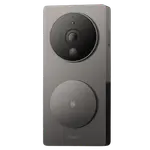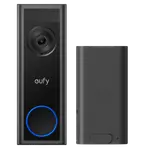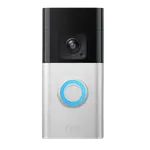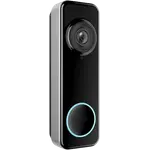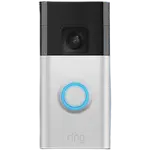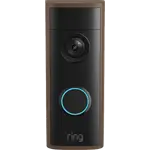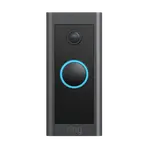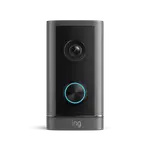
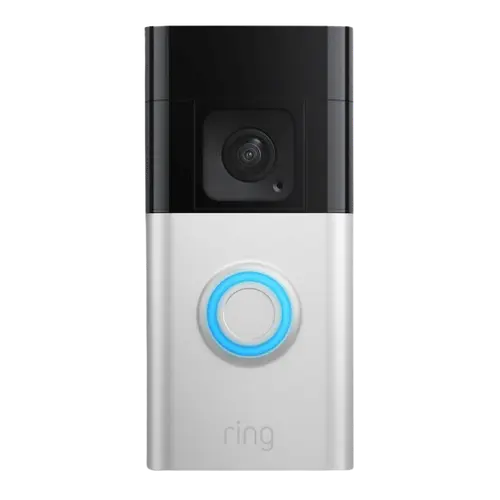


Ring Battery Doorbell Plus Review: The Easy-Install Doorbell With a Head-to-Toe View
The Ring Battery Doorbell Plus is one of the easiest video doorbells to live with: a quick-release battery pack means a tool-light, roughly five-minute DIY install, and the 1536p head-to-toe view is its standout, showing visitors and packages on the ground rather than just a face at eye level. Video is sharp day and night (with color night vision), two-way talk is clear, and it ties neatly into Alexa. The big caveat is the Ring subscription: live view and notifications work for free, but saved video history, recordings and the smarter person/package alerts all require a paid plan. It is 2.4GHz Wi-Fi only, the battery recharges via a torx screw and a micro-USB (not USB-C) cable, and it can drain faster with heavy alert traffic.
- Renters and DIY installers
- Apartments and condos
- Alexa households
- Package-watch buyers
Pros
- Quick-release battery and roughly 5-minute DIY install, no wiring needed
- Sharp 1536p video with a tall head-to-toe (150 by 150 degree) field of view
- Color night vision and clear two-way talk
- Customizable motion zones and privacy zones to cut nuisance alerts
- Works with Alexa (plus IFTTT and Home Assistant); optional hardwiring trickle-charges
- Powerless recording cached on the device, and responsive Ring support
Cons
- Saved video history, recordings and person/package alerts require a paid subscription
- 2.4GHz Wi-Fi only (no 5GHz), so signal at the door matters
- Battery recharges via a torx screw and a micro-USB (not USB-C) cable
- No 2K/4K resolution and no HDR
- No Apple HomeKit, Google Home, SmartThings or Matter support
- Battery drains faster with heavy alerts and in cold weather
Who is the Ring Battery Doorbell Plus for?
This is a battery-first video doorbell for people who want a fast, no-electrician install and a wide view of the doorstep. The headline feature is its 1536p HD video with a tall 150 by 150 degree head-to-toe field of view, so it captures a person and any package on the ground in one frame. It runs on a removable, quick-release rechargeable battery (and can optionally be hardwired to 8 to 24VAC for trickle charging), connects over 2.4GHz Wi-Fi (with Ethernet as an option), and offers color night vision, two-way talk, customizable motion zones, privacy zones and powerless recording cached on the device. It works with Amazon Alexa, plus IFTTT and Home Assistant for tinkerers. It best suits renters, apartment and condo dwellers, and anyone replacing an older first-gen Ring who wants a sharper, wider image with a simple battery swap.
What buyers love
The two themes owners return to are easy install and the wide, clear image. Many describe a quick DIY setup, mounting on a battery in minutes with no wiring, and the quick-release battery pack is repeatedly praised as a big improvement over older Ring doorbells that had to be removed to charge. The 1536p head-to-toe view draws consistent praise for covering the whole porch or driveway and showing packages on the step, with image quality called sharp even at night. Two-way talk is handy for directing deliveries, motion zones are customizable to cut nuisance alerts, and it slots into an existing Ring and Alexa setup (including Chime Pro). Several owners also single out Ring's customer support for replacing units and resolving issues.
What to know before you buy
The recurring frustration is the subscription. Live view, ringing and basic motion alerts work without a plan, but saved video history, stored recordings and the smarter person and package alerts all require a paid Ring subscription, and several buyers were caught out because the instructions did not make this obvious (a free trial is included). Beyond that: it is 2.4GHz Wi-Fi only (no 5GHz), so signal at the door matters, and heavy alert traffic drains the battery faster in cold weather. Recharging means removing the pack with the included torx screwdriver and using a micro-USB (not USB-C) cable, which a few found fiddly. Hardwiring trickle-charges the battery but a couple of owners had charging issues in cold weather until a replacement unit. There is no 2K/4K, no HDR, no Apple HomeKit, no Google Home, no SmartThings and no Matter.
Is the Ring Battery Doorbell Plus worth it?
For buyers who want a genuinely easy, batteries-included doorbell with a wide head-to-toe view and a polished app, yes, it is a well-reviewed, popular choice and a clear upgrade from older Ring models. The hardware and image quality earn its strong ratings. Just buy it knowing the real cost includes a Ring subscription if you want saved video and the smart alerts, that it is locked to the Alexa/Ring ecosystem (no Google or HomeKit), and that recharging uses a torx screw and a micro-USB cable. If those fit your setup, it is one of the simplest doorbells to recommend for value and ease.
Frequently asked questions
Does the Ring Battery Doorbell Plus need a subscription?
Live view, ringing and basic motion alerts work without a plan, but saved video history, stored recordings and the smarter person and package alerts require a paid Ring subscription. A free trial is included; cloud storage is subscription-only.
Is it battery powered or can it be hardwired?
Both. It ships with a removable, quick-release rechargeable battery for a wireless install, and it can optionally be hardwired to an existing 8 to 24VAC doorbell system to trickle-charge the battery for longer life.
Does it work with Alexa, Google Home and Apple HomeKit?
It works with Amazon Alexa, and also supports IFTTT and Home Assistant. It does not work with Google Home, Apple HomeKit, Samsung SmartThings or Matter.
What is the video quality and field of view?
It records 1536p HD video with a tall head-to-toe field of view (150 degrees horizontal and 150 vertical), so a person and any package on the ground fit in one frame. It has color night vision but no 2K/4K and no HDR.
How do you recharge the battery?
You release the battery pack using the included torx screwdriver and charge it with a micro-USB cable (not USB-C). If you hardwire the doorbell, the battery trickle-charges in place, which most owners prefer for longer life.