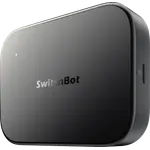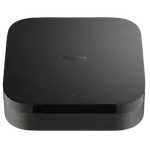
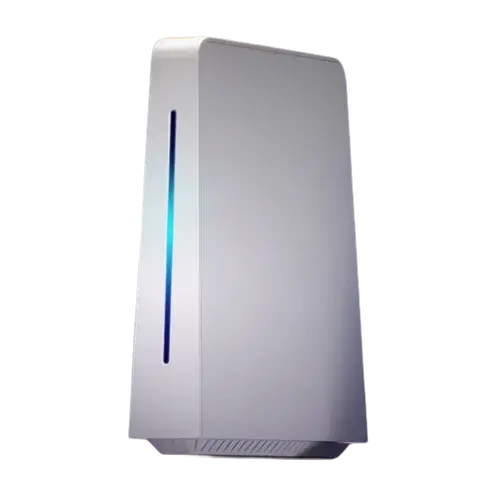


Sonoff iHost Review: A Cheap, Fully Local Smart-Home Server for Tinkerers (Not Beginners)
The Sonoff iHost is a genuinely different smart-home hub: it runs entirely locally with no internet or cloud required, so it controls your devices on your own network and keeps your data in your home, which privacy-focused owners love and consider its standout feature. Under the hood it's essentially a compact single-board computer with a built-in Zigbee coordinator, a web interface and a Docker engine, so power users run containers and add-ons (Home Assistant, Node-RED, Tasmota, ESPHome, MQTT, even a UniFi controller or Kubernetes), and it has native ONVIF/RTSP camera support and an open API. It pairs Zigbee and Tasmota devices quickly, supports Matter, includes local storage and a speaker for alarms, and, at its low price, owners call it excellent value. The catches: the UI and setup are not beginner-friendly (the documentation is poor, with tiny print and no quick-start guide), firmware updates are confusing (they require temporarily linking to the eWeLink cloud), there's no proper mobile app (it's web/LAN-based), the software is English-only, and the cheaper 2GB model can be limiting under heavy loads (get the 4GB). It's also still under active development, and advanced users note it has less built-in functionality than SmartThings or a full Home Assistant setup. As one reviewer put it, a Raspberry Pi with a Zigbee stick does the same thing, but the iHost's appeal is having it all integrated and tested by Sonoff in one cheap box. For tinkerers who want local control, it's a great buy.
- Fully local, cloud-free home automation
- Power users running Docker/Node-RED/Home Assistant
- Sonoff/Zigbee and Tasmota setups
- Privacy-focused smart homes on a budget
Pros
- Fully local, no internet or cloud required (strong privacy)
- Runs Docker, Node-RED, Home Assistant, Tasmota and more (open API)
- Native ONVIF/RTSP camera support; Zigbee coordinator and Matter
- Compact, with a speaker for alarms and local data storage
- Excellent value for the price
Cons
- Not beginner-friendly; rough UI and poor documentation
- Confusing firmware updates (require a temporary cloud link)
- No proper mobile app (web/LAN-based); English-only software
- 2GB model is limiting under heavy loads (get the 4GB)
- Still under development; less built-in functionality than SmartThings/full Home Assistant
Who is the Sonoff iHost for?
This is an advanced, fully local smart-home hub, effectively a compact mini-server with a Zigbee coordinator and Matter bridge, that runs without any cloud. It has a quad-core CPU, RAM (2GB or 4GB depending on model), local storage plus microSD, Ethernet, Wi-Fi and Bluetooth, a speaker and mic, and supports Docker, Node-RED, ONVIF/RTSP and an open API. It works with Google Home, Alexa, Apple HomeKit, SmartThings and Home Assistant, and handles up to 128 devices. It best suits people who want fully local, cloud-free automation, power users who run Docker containers or Home Assistant, Sonoff/Zigbee and Tasmota setups, and privacy-focused, budget-minded builders. If you want a simple, polished, app-first hub, this isn't it, read the caveats first.
What buyers love
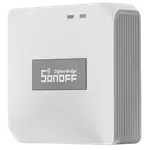
The headline is that it's fully local: no internet or cloud is required to run it (only to download Docker containers or, briefly, to update firmware), so your automation data stays in your home, it works without an internet connection, and there's no upsell to cloud services, a big privacy win owners repeatedly praise. Under the hood it's a small single-board computer with a built-in Zigbee coordinator, a web interface (reachable at ihost.local) and a Docker engine, so power users run Home Assistant, Node-RED, Tasmota, ESPHome, MQTT, a UniFi controller, and even Kubernetes containers on it, far more than a basic hub. It has native ONVIF and RTSP camera support and an open API for customization, pairs Zigbee and Tasmota devices quickly, and supports Matter. It's compact and good-looking (white, with an LED strip and a speaker for alarms and notifications), includes local data storage, and, at under 100 dollars, owners consider it excellent value, essentially a Raspberry-Pi-plus-Zigbee setup, but pre-integrated and tested by Sonoff.
What to know before you buy
This is not a beginner-friendly, plug-and-play hub. The UI and setup process are rough, the printed documentation is poor (tiny font, no quick-start guide), and even tech-savvy owners found initial setup tested their patience. Firmware updates are confusing: you have to temporarily link the device to Sonoff's eWeLink cloud to update (you can unlink afterward), and it's not obvious how to get the latest version. There's no proper mobile app, it's a web/LAN-based interface, so phone-first control is limited (some owners couldn't get it working via a phone at all), and the software is English-only, which frustrates non-English speakers. The cheaper 2GB model has enough power for most tasks but can be limiting if you load lots of containers, owners recommend the 4GB version. It's also still under active development (features are 'penciled in'), and some advanced users find it has less built-in functionality than SmartThings or a full Home Assistant install, with a few bugs (like scene time-delay issues in Away mode) they hope updates will fix. In short, its power comes with a learning curve.
Is the Sonoff iHost worth it?
For tinkerers and privacy-minded users who want fully local, cloud-free home automation, the Sonoff iHost is an excellent, affordable choice: a Zigbee-and-Matter hub that's really a small local server, running Docker, Node-RED, Home Assistant, Tasmota and more, with native ONVIF/RTSP and an open API, all at a low price. The trade-offs are that it's not beginner-friendly, the UI and documentation are rough, firmware updates require a temporary cloud link, there's no real mobile app, and the 2GB model is best avoided in favor of the 4GB. Buy it if you value local control and enjoy configuring Docker/Node-RED/Home Assistant on a cheap, integrated box; if you want a simple, polished, app-driven hub, or the deepest functionality, choose SmartThings, a full Home Assistant setup, or another platform instead.
Frequently asked questions
Does it really work without the cloud?
Yes, that's its defining feature. It runs entirely locally, controlling your devices on your own network with no internet or cloud required for normal operation, so your data stays in your home. You only need internet to download Docker containers or, temporarily, to apply a firmware update (you can unlink afterward).
Can it run Home Assistant, Node-RED or Docker containers?
Yes, and this is a big draw for power users. It's essentially a small single-board computer with a Docker engine, so owners run Home Assistant, Node-RED, Tasmota, ESPHome, MQTT, a UniFi controller and even Kubernetes containers on it, alongside its built-in Zigbee hub and web interface. It also has an open API for customization.
Is it easy to set up?
Not especially. Basic pairing is straightforward (reach it at ihost.local), but the UI and overall setup are rough, and the documentation is poor, tiny print and no quick-start guide, so even tech-savvy owners found initial configuration frustrating. Firmware updates are also confusing and require temporarily linking to Sonoff's eWeLink cloud.
Is there a mobile app?
Not a proper one. The iHost is controlled through a web/LAN interface rather than a polished mobile app, and some owners couldn't get phone-based control working well. If you want an app-first experience, this hub will feel limited, it's aimed at web and local-network use.
Should I get the 2GB or 4GB model?
The 4GB model is the safer choice. The cheaper 2GB version has enough power for most basic tasks, but owners who load many Docker containers found it limiting and recommend the 4GB model for heavier use. Both run the same local, cloud-free software.