


Sonoff Zigbee Bridge Ultra Review: A Powerful, Stable Zigbee-and-Matter Hub (Best With Sonoff Gear)
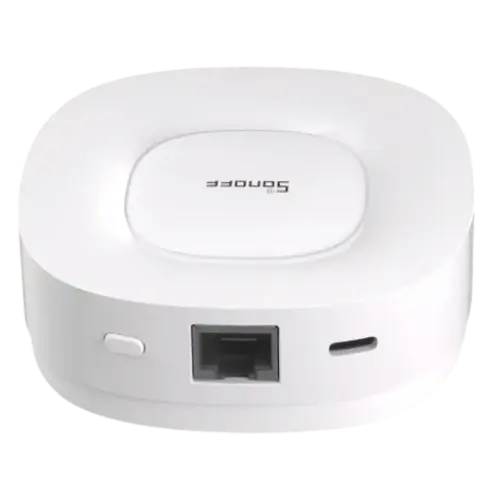
The Sonoff Zigbee Bridge Ultra is a big step up from the older ZB Bridge-P: with a dual-core CPU, 1GB of RAM and 8GB storage, owners report a much more stable Zigbee network, one user replaced two flaky ZB Bridge-P units with a single Ultra and now runs all their devices reliably on one hub. It bridges to Matter, supports up to 256 devices, connects over Ethernet or Wi-Fi, and integrates with Apple HomeKit, Google Home, Alexa, SmartThings and Home Assistant, all in a well-built, easy-to-install package that works cleanly with the official app and Home Assistant. The caveats are typical for Sonoff: third-party Zigbee compatibility is limited (it works best with Sonoff devices, and, for example, Philips Hue bulbs won't pair despite being Zigbee), so verify your devices are supported. Voice-assistant integration can be inconsistent for some sensors, Alexa may recognize temperature but not humidity on a device page (and the reverse in routines), and Google Home can second-guess sensor readings. The advertised 200m range is overstated, expect to add repeaters or chain Zigbee Minis for coverage, and some devices (like certain water valves) aren't fully supported yet. It's Zigbee and Matter only, with no Z-Wave, Thread, Bluetooth or IR. For a stable, capable hub, especially with Sonoff gear and Matter/HomeKit, it's a strong, if slightly pricey, choice.
- Sonoff Zigbee devices at scale (up to 256)
- Wanting Matter bridging and HomeKit
- Upgrading from the ZB Bridge-P
- Home Assistant and SmartThings users
Pros
- Much more stable and powerful than the older ZB Bridge-P
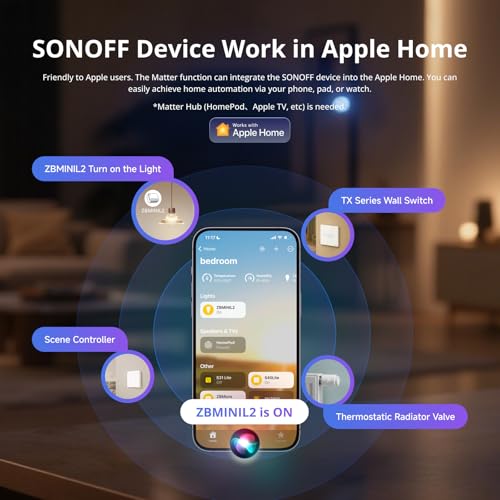
- Matter bridging plus HomeKit, Google, Alexa, SmartThings and Home Assistant
- Supports up to 256 devices; Ethernet or Wi-Fi
- Easy to install and well built; works with the official app and Home Assistant
- Reliable Zigbee network for Sonoff devices
Cons
- Limited third-party Zigbee support (best with Sonoff; no Philips Hue)
- Inconsistent Alexa/Google integration for some sensor readings
- Advertised range is overstated; needs repeaters for coverage
- Some devices (e.g. water valves) not fully supported yet
- Zigbee and Matter only, no Z-Wave, Thread, Bluetooth or IR
Who is the Sonoff Zigbee Bridge Ultra for?
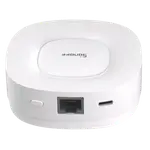
This is a powerful Zigbee coordinator with Matter bridging, built on a dual-core 1.5GHz CPU with 1GB RAM and 8GB storage, connecting over Ethernet or 2.4GHz Wi-Fi and supporting up to 256 devices. It works with Apple HomeKit, Google Home, Alexa, SmartThings and Home Assistant. It has no Z-Wave, Thread, Bluetooth or IR. It best suits people running many Sonoff Zigbee devices, those who want Matter bridging and HomeKit support, owners upgrading from the older ZB Bridge-P, and Home Assistant or SmartThings users. If you need broad third-party Zigbee support (like Philips Hue), Z-Wave/Thread, or the full advertised range without repeaters, read the caveats first.
What buyers love
The main win is stability and power versus the older ZB Bridge-P. Its beefier hardware (dual-core CPU, 1GB RAM, 8GB storage) translates to a notably more stable Zigbee network, one owner who had two flaky ZB Bridge-P units consolidated everything onto a single Ultra and found it far more reliable. It bridges to Matter for future-proofing, handles up to 256 devices, and connects over Ethernet or Wi-Fi. Owners find it easy to install and well built, and it works cleanly with both the official app and Home Assistant, plus it integrates with Apple HomeKit, Google Home, Alexa and SmartThings, letting you connect a wide mix of gear. It has a built-in speaker for alerts, and while it's a bit pricey, owners generally feel it's worth it for the reliability and capacity. For a Sonoff-based Zigbee setup that also wants Matter and HomeKit, it's a capable central hub.
What to know before you buy
As with Sonoff hubs generally, third-party Zigbee compatibility is limited, it works best with Sonoff's own devices, and some third-party Zigbee gear won't pair (owners specifically found Philips Hue bulbs unsupported despite being Zigbee), so check that your devices are supported before buying. Voice-assistant integration can be inconsistent for certain sensors: with a Sonoff SNZB-02P, Alexa recognized temperature but not humidity on the device page (and the reverse when building routines), and Google Home sometimes second-guesses sensor readings that are correct in the native app. The advertised 200m range is overstated, real-world range is much shorter, so plan to extend the mesh with repeaters or by chaining powered Zigbee devices (like Zigbee Minis) for good coverage. Some devices also aren't fully supported yet, one owner found not all features of their water valves worked, describing it as 'not a final development.' It's Zigbee plus Matter only, with no Z-Wave, Thread, Bluetooth or IR, and it uses 2.4GHz Wi-Fi.
Is the Sonoff Zigbee Bridge Ultra worth it?
For a stable, capable Zigbee hub with Matter bridging, the Sonoff Zigbee Bridge Ultra is a strong pick, especially if you use Sonoff devices: it's a clear upgrade over the ZB Bridge-P with a much more stable network, 256-device capacity, HomeKit/Google/Alexa/SmartThings/Home Assistant support, Ethernet, and easy setup. The trade-offs are limited third-party Zigbee compatibility (best with Sonoff, no Hue), occasionally inconsistent voice-assistant integration for some sensors, an overstated range that needs repeaters, and no Z-Wave/Thread/Bluetooth. Buy it if you're building or scaling a Sonoff Zigbee setup and want Matter and HomeKit in one reliable hub; if you need broad third-party Zigbee support or multi-protocol coverage beyond Zigbee and Matter, choose a different hub.
Frequently asked questions
How is it different from the ZB Bridge-P?
It's a significant upgrade. With a dual-core CPU, 1GB RAM and 8GB storage, it delivers a much more stable Zigbee network and higher capacity (up to 256 devices). One owner replaced two flaky ZB Bridge-P units with a single Ultra and found the network far more reliable, plus it adds Matter bridging.
Will my non-Sonoff Zigbee devices work with it?
Not all of them. It works best with Sonoff's own Zigbee devices, and some third-party Zigbee gear won't pair, owners specifically found Philips Hue bulbs unsupported despite being Zigbee. Check that your devices are supported before relying on it as your main hub.
Does it support Matter and HomeKit?
Yes. It acts as a Matter bridge and integrates with Apple HomeKit, Google Home, Alexa, SmartThings and Home Assistant. That makes it more future-proof than the older Sonoff bridges, though note it's Zigbee plus Matter only, with no Z-Wave or Thread.
Is the range as good as advertised?
No. Owners find the real-world range much shorter than the advertised 200m, so plan to extend the mesh with repeaters or by chaining powered Zigbee devices (like Zigbee Minis). This is normal for Zigbee, but the published figure sets unrealistic expectations.
Does voice-assistant integration work reliably?
Mostly, but with quirks for some sensors. For example, with a Sonoff SNZB-02P, Alexa recognized temperature but not humidity on the device page (and the reverse in routines), and Google Home sometimes second-guesses readings that are correct in the native app. Basic control of Sonoff devices generally works fine.