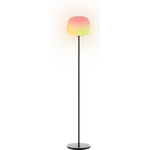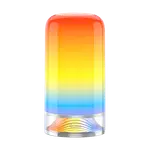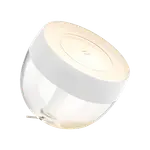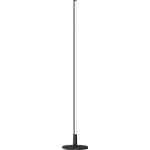


Philips Hue Twilight Review: A Bedside Lamp That Paints Your Wall and Wakes You Gently
The Philips Hue Twilight is a bedside lamp for people already in the Hue ecosystem who want light to wind down and wake up with. Its front head and its ColorCast back light work separately, so it can wash the wall in a gradient while lighting a book, and the gradual sunset and sunrise scenes help a routine once a Hue Bridge is in place. Owners praise the design and the effect, and the recurring complaints are the price for a plastic lamp and wake-up controls that live only in the app.
- Hue households
- Bedside reading
- Better sleep routines
- Ambient wall lighting
Pros
- Two independently controllable light sources: a swivelling front head and a ColorCast gradient back light
- Gradual sunset and sunrise scenes support a wind-down and wake-up routine
- Very low dimming down to 0.5% for a proper night light
- Full color plus a 2000K to 6500K white range
- Works with Alexa, Google Home, Apple Home, SmartThings and Home Assistant, and with Matter through a Hue Bridge
- Bluetooth control on its own, with no hub needed for basic use
- The two buttons can step scenes or control other Hue lights
Cons
- Expensive for a plastic bedside lamp, which many owners say does not feel premium enough
- The wake-up automation can only be switched on or off in the app, and there is no snooze
- Matter, custom automations and music or screen sync need a Hue Bridge
- No remote in the box, and the lamp's buttons only step brightness and scenes
- A pair in one room can mirror each other in the app until split into separate rooms
Who is the Philips Hue Twilight for?
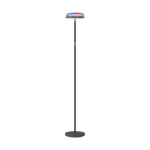
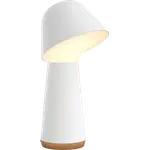
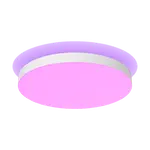
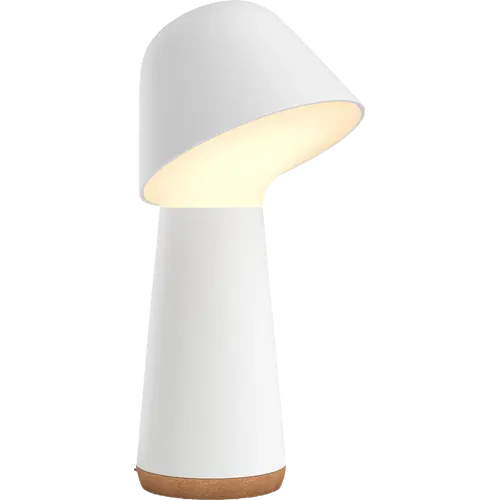
It is for someone who wants a smart bedside lamp that does more than switch on. The Twilight is a corded table lamp with a swivelling front head for reading and a rear light that projects a blended ColorCast gradient onto the wall behind it. The two light sources are controlled separately, so it can be a dim night light, a bedside reading light, or an ambient wash of colour, depending on the time of day. It suits a bedroom in a home that already uses Hue or is willing to add a Hue Bridge, because the sleep and wake-up automations, Matter and the sync features depend on the bridge.
What owners like about it
The design draws the most praise. Owners describe it as striking and unlike other bedside lamps, and several bought two, one for each side of the bed. People like being able to set the front and back light at different brightness levels, and that the rear light throws a soft gradient rather than a flat colour. The gradual sunset and sunrise scenes are the other draw: owners say they fall asleep to the slow dimming and wake up before the alarm as the light brightens. The very low dimming makes a usable night light, the reading setting is bright enough for a book, and the two buttons on the lamp can step through scenes or act as a control for other Hue lights in the room. With a Hue Bridge and a TV with Ambilight, one owner highlights how the twin light sources make screen sync look special.
What to know before you buy
The price is the sticking point. Many owners feel a plastic bedside lamp at this price should feel more premium, and several say they would be happy at a lower figure. The wake-up side has real limits: owners report there is no snooze, and the wake-up automation can only be switched on or off in the app, not on the lamp, though the sleep scene can be started with the Hue button. The physical buttons mostly step brightness and scenes, so the app does the finer work. A pair in the same room can mirror each other in the app until you separate them into different rooms. Everything advanced, including Matter, custom automations and music or screen sync, needs a Hue Bridge, and there is no remote in the box.
Is the Philips Hue Twilight worth it?
For a Hue home that wants a bedside lamp to build a wind-down and wake-up routine around, the Twilight is a well-made, distinctive light whose twin sources are genuinely useful, and the owners who like it tend to love it. If you mainly want a plain reading lamp or you are not going to add a Hue Bridge, the premium price and the app-only automation controls are hard to justify, and cheaper Hue table lamps cover the basics. It is a comfort and ambience purchase more than a value one.
Frequently asked questions
Does the Philips Hue Twilight need a Hue Bridge?
Not to use it. Bluetooth and the two buttons on the lamp control it on their own. A Hue Bridge is needed for Matter, custom sleep and wake-up automations, and music or screen sync.
Does the Twilight work with Alexa, Google Home and Apple Home?
Yes. It works with Alexa, Google Home, Apple Home and SmartThings, and with Home Assistant through its Hue integration. Matter is available when the lamp is connected through a Hue Bridge.
How do the sleep and wake-up automations work?
With a Hue Bridge, the Go to sleep automation slowly dims the light to red-toned hues, and the Wake up automation gradually brightens through the colours of the morning sun. The built-in Hue button starts the sleep scene without a Bridge, but the full automations and their scheduling live in the app.
What are the two light sources on the Twilight?
There is a swivelling front head that aims where you need it and a rear light with ColorCast gradient projection. The two are controlled separately, so the front can light a book while the back washes the wall in colour.
Can the Twilight be used as a bedside reading lamp?
Yes. The front head swivels left and right, and the lamp reaches 1,380 lumens at 4,000K. It also dims very low for use as a night light.
Does the Twilight use Wi-Fi?
No. It connects over Bluetooth and Zigbee and works without Wi-Fi. A Hue Bridge is what joins it to the rest of a Hue system.