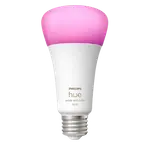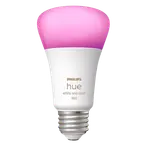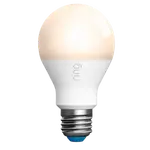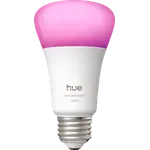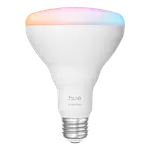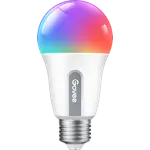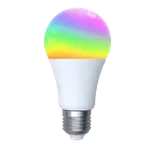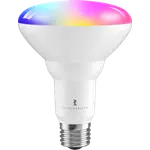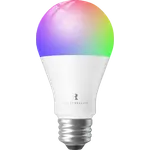
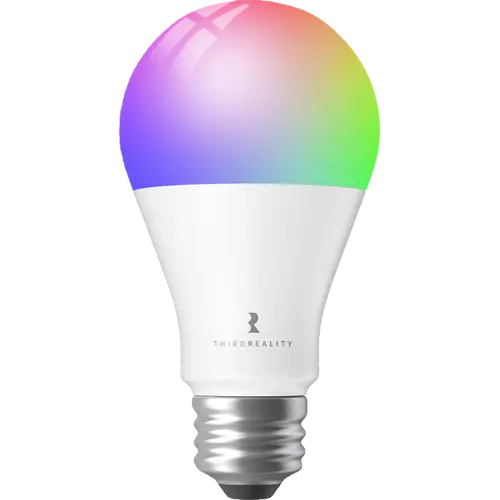


Third Reality Smart Color Bulb ZL1 Review: A Budget Zigbee Color Bulb That Extends the Mesh
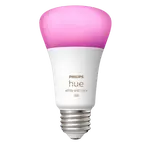
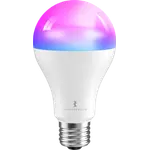
The Third Reality Smart Color Bulb ZL1 is a low-cost Zigbee 3.0 color bulb for a home that already runs a coordinator. It puts out 800 lumens from a standard A19 body, covers the full 2700K to 6500K white range plus RGB, and repeats the Zigbee signal to strengthen the mesh. Alexa through an Echo with a built-in Zigbee hub, SmartThings, Hubitat and Home Assistant read it directly, while Apple Home, Google Home and Matter need the separate Smart Bridge MZ1. The trade-offs are a hub requirement, a North American voltage limit and colors that lean pastel in the yellow and green range.
- Zigbee homes
- Home Assistant users
- Budget color lighting
- Extending a Zigbee mesh
- North American wiring
Pros
- 800 lumens from a standard A19 E26 bulb
- Full RGB plus a 2700K to 6500K tunable white range
- Doubles as a Zigbee repeater to extend the mesh
- Pairs directly with Home Assistant through ZHA and Zigbee2MQTT
- Works with SmartThings, Hubitat, Homey and Echo devices with a built-in Zigbee hub
- Brightness adjustable from 1 percent to 100 percent, with a low minimum for night use
- Configurable transitions and effects such as color loop
- Power-on behavior can be set for what happens after an outage
- Budget-friendly next to premium color bulbs
Cons
- Requires a Zigbee hub, with no Wi-Fi, Bluetooth or Thread fallback
- 100 to 130 VAC only, so it does not suit 220 to 240 volt homes
- Apple Home, Google Home and Matter need the separate Smart Bridge MZ1
- Yellows, oranges and some greens render desaturated or pastel rather than vivid
- Pairing can be slow or fail on a hub outside the supported list
- Operating current and power factor are not published
Who is the Third Reality Smart Color Bulb ZL1 for?
It suits a home that already has a Zigbee coordinator and wants inexpensive color lighting that does not lean on Wi-Fi. The bulb screws into an ordinary E26 socket and draws 8.5 watts for 800 lumens, so it replaces a regular A19 bulb without any fixture change. Home Assistant through ZHA or Zigbee2MQTT, SmartThings, Hubitat, Homey and Echo devices with a built-in Zigbee radio pair with it directly. Because it is mains powered, it also relays Zigbee traffic for nearby devices, which makes it useful in a room where the mesh is thin.
What owners like about it
Buyers who run Home Assistant and Zigbee2MQTT describe pairing as quick and the connection as stable once joined, and several mention moving their lighting off cloud-based bulbs to keep everything local. The repeater role comes up as a practical bonus, and the tunable white range is well received for everyday lighting. Owners also single out the value against premium color bulbs, and the low minimum brightness makes it a good night light. One Hubitat user reported it paired out of the box in about two minutes.
What to know before you buy
Two limits decide whether this bulb fits. The first is the hub: there is no Wi-Fi, Bluetooth or Thread radio, so it does nothing without a Zigbee coordinator, and a hub outside the supported list can make pairing slow or fail. The second is the mains supply: the manufacturer specifies 100 to 130 VAC only, which rules out 220 to 240 volt homes. Colors are the other compromise. Owners consistently report that yellows, oranges and some greens look washed out or pastel rather than saturated, while red and blue are fine and the tunable white range looks good. Apple Home, Google Home and Matter controllers are reachable only through the separate Smart Bridge MZ1. The operating current and power factor are not published.
Is the Third Reality Smart Color Bulb ZL1 worth it?
For a Zigbee household that wants color and white tuning on a budget, it is an easy value call: full RGB, a wide white range, a repeater role and local control, all in a standard A19 bulb. What you give up is color precision in the yellow and green range, native Apple and Google support, and any use in a 220 to 240 volt home. If vivid, accurate color is the priority, a premium bulb is the better buy; if the goal is covering several lamps cheaply while strengthening the mesh, the ZL1 makes sense.
Frequently asked questions
Does the Third Reality Smart Color Bulb ZL1 need a hub?
Yes. It is a Zigbee 3.0 end device with no Wi-Fi or Bluetooth, so it needs a Zigbee coordinator such as Home Assistant with ZHA or Zigbee2MQTT, a SmartThings or Aeotec hub, Hubitat, Homey, the Third Reality Hub Gen2 Plus or an Echo device with a built-in Zigbee hub.
What socket and brightness does it use?
It is an A19 bulb with a standard E26 screw base that produces 800 lumens at 8.5 watts, with brightness adjustable from 1 percent to 100 percent.
Does it work with Apple Home, Google Home or Matter?
Not on its own. The bulb speaks Zigbee 3.0, and the manufacturer reaches Apple Home, Google Home and Matter controllers through its Smart Bridge MZ1, which is sold separately.
Are the colors accurate?
Owners report that red and blue look good and the tunable white range is fine, but yellows, oranges and some greens come out washed out or pastel rather than saturated.
Does it extend the Zigbee network?
Yes. It is a mains-powered Zigbee router, so it relays messages for other Zigbee devices and helps cover dead spots in larger rooms.
Can it be used outside North America?
No. The manufacturer specifies 100 to 130 VAC only and warns that another supply may damage the bulb, so a 220 to 240 volt home is out of scope.
Can it remember its state after a power cut?
Yes. Power-on behavior is configurable, so the bulb can be set for how it comes back when the mains is restored.