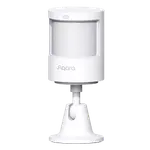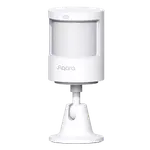


Aqara Presence Sensor FP300 Review: The Battery-Powered mmWave Sensor Everyone Wanted, With Real Setup Caveats
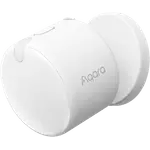
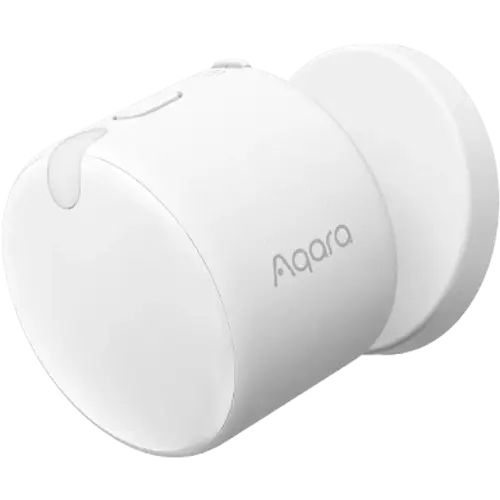
The Aqara Presence Sensor FP300 is notable for one big reason: it's a battery-powered mmWave presence sensor, something owners had been waiting for, and it packs PIR, light, temperature and humidity sensing into one small, wireless device. Its rating reflects a great concept held back by execution quirks. When it works, owners love it: mmWave detects a person sitting or lying completely still (which PIR sensors miss, so lights no longer switch off while you're at your desk or on the toilet), the all-in-one sensors reduce clutter and enable smarter automations (like triggering lights only when lux is low), and it's compact, magnetic and discreet. It supports both Zigbee and Thread (switchable in the Aqara app), so it works with HomeKit, Alexa, Google, SmartThings, Hubitat and Home Assistant (via Matter/Thread or Zigbee/Z2M) without necessarily needing an Aqara hub. The caveats are significant. Placement is critical, it's not a stick-anywhere sensor: for stillness detection you need a clear line of sight to your body (not your back), the right height/angle, and high sensitivity, or lights turn off. Setup is frustrating, you're forced to use the Aqara app (and create an account) just to switch firmware to Zigbee, even without an Aqara hub, and there are confusing dual setup paths. Reliability is inconsistent too: several owners report the mmWave not working (distance stuck at 0m) or the sensor freezing in Presence/Absence for days. Other gripes: minimum 10-second absence timeout, no multi-zone (unlike the FP2), and some boxes missing accessories. Get the placement and setup right, and it's excellent; go in unprepared, and it can frustrate.
- Battery-powered presence detection (stillness, not just motion)
- All-in-one sensing (mmWave, PIR, light, temp, humidity)
- Home Assistant/Hubitat/HomeKit users comfortable tuning placement
- Rooms where you sit still (offices, reading, bathrooms)
One sensor per room you want covered.
Buy on Amazon USACheck pricePros
- Battery-powered mmWave: detects a still person (sitting/lying), not just motion
- All-in-one 5-in-1 sensing (mmWave, PIR, light, temperature, humidity)
- Dual Zigbee/Thread; works with HomeKit, SmartThings, Hubitat, Home Assistant (often no hub)
- Compact, magnetic and discreet; useful lux sensor for smarter automations
Cons
- Placement is critical (needs line of sight to your body, right angle/sensitivity)
- Frustrating setup (forced Aqara app/account just to switch to Zigbee)
- Inconsistent reliability (non-working or stuck mmWave for some units)
- No multi-zone (unlike FP2); 10-second minimum timeout; some boxes missing parts
Who is the Aqara FP300 for?
This is a wireless, battery-powered 5-in-1 sensor combining mmWave presence detection with PIR motion, plus light, temperature and humidity sensors, covering about 120 degrees to 6m/20ft. It supports both Zigbee and Thread (switchable in the Aqara app) and works with HomeKit, Alexa, Google Home, SmartThings, Hubitat and Home Assistant, often without an Aqara hub. It's ideal for anyone who wants presence detection (catching people sitting or lying still) without running wires, especially in offices, reading nooks and bathrooms where PIR sensors fail. It's less ideal if you want a stick-anywhere sensor, need multi-zone detection (get the FP2), or want flawless out-of-box reliability.
What buyers love
The headline is battery-powered mmWave that works: owners repeatedly celebrate that it detects a completely still person (sitting at a desk, lying down) without any wires, solving the classic problem of lights turning off while you're stationary. The all-in-one design is a hit too, mmWave, PIR, light, temperature and humidity in one small device reduces gadget count and enables smarter automations (e.g. only turn on lights when lux is below a threshold). Dual Zigbee/Thread support is flexible, letting it pair with HomeKit, SmartThings, Hubitat or Home Assistant (via Matter/Thread or Zigbee2MQTT/ZHA), often with no Aqara hub. It's compact, magnetic and discreet, responds within about a second, and, once tuned, gives false-positive-free presence detection that owners say improved their automations. For what it does, many buy several.
What to know before you buy
Placement is everything, and this is the most repeated caveat: it's not stick-anywhere. For reliable stillness detection you need a clear line of sight to your body (pointing at your back fails), the right height and angle, and high sensitivity, otherwise lights turn off while you're sitting still. Setup is frustrating: you're forced to use the Aqara app and create an account just to switch the firmware to Zigbee, even if you don't own an Aqara hub, and the app shows confusing Matter/non-Matter setup paths. Reliability is inconsistent: several owners report the mmWave not working at all (target distance stuck at 0m) or the sensor freezing in a Presence/Absence state for days (in both Thread and Zigbee), which makes automations useless, some suspect defective units or immature firmware/Z2M support. Other limitations: the minimum absence-confirmation time is 10 seconds (can't go lower), there's no multi-zone detection (unlike the FP2, you only set a distance), some boxes arrived missing the cable/metal plate/screws, there's no adjustable stand angle, and the coin-cell battery is fiddly with unproven long-term life.
Is the Aqara FP300 worth it?
If you want battery-powered presence detection and are willing to tune it, yes, it may be the only battery mmWave sensor of its kind, and when dialed in it does exactly what PIR sensors can't. That potential is why enthusiasts rate it highly. But the middling average rating is fair: placement is critical, setup is annoying (forced Aqara app), reliability is inconsistent for some (non-working or stuck mmWave), and it lacks multi-zone with a 10-second minimum timeout. If you're a Home Assistant/Hubitat/HomeKit user comfortable troubleshooting placement and settings, it's a standout for stillness detection; if you want plug-and-play simplicity or multi-zone tracking, look at the FP2 or a wired alternative.
Frequently asked questions
Does it really detect me when I'm sitting still?
Yes, that's the point of its mmWave sensor, and it works once tuned. Unlike PIR sensors, it can detect a stationary person (sitting at a desk, lying down). But you must give it a clear line of sight to your body (not your back), mount it at the right angle/height, and set sensitivity to high, or it will miss you and lights will turn off.
Do I need an Aqara hub?
Not necessarily for use, it supports Zigbee and Thread, so it works with Home Assistant (Zigbee2MQTT/ZHA), Hubitat, HomeKit/SmartThings (via Thread) and more without an Aqara hub. However, you are forced to use the Aqara app (and create an account) once to switch its firmware to Zigbee mode, even if you don't own their hub.
Why do some reviews say the mmWave doesn't work?
A number of owners report the mmWave component failing, with target distance permanently stuck at 0m, or the sensor freezing in a Presence/Absence state for days (in both Thread and Zigbee). This may be defective units or immature firmware/Zigbee2MQTT support. When it works it's excellent, but reliability has been inconsistent.
Does it support multiple zones like the FP2?
No. Unlike the Aqara FP2, the FP300 does not offer multi-zone detection, you only adjust the detection distance, and that becomes your single zone. If you need multi-zone tracking, the FP2 is the better choice; the FP300's advantage is being battery-powered and all-in-one.
How long does the battery last?
It uses coin-cell batteries (2x CR2450) with a stated life of around 2 to 3 years, though long-term life is still unproven (owners report 100% after early use). You can disable the extra sensors (light/temperature/humidity) to save battery. The coin cells are a bit fiddly to replace, but the wireless, cable-free design is the main appeal.