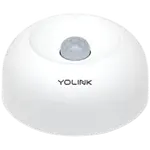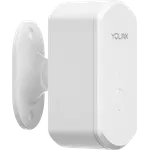



YoLink LoRa Motion Sensor Review: Unbeatable Long Range That Ignores WiFi Dead Zones
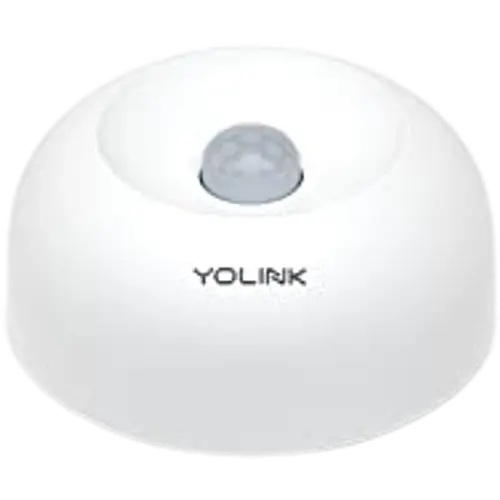
The YoLink LoRa Motion Sensor is defined by one huge advantage, range, and owners rate it highly. Using long-range LoRa radio (via a required YoLink Hub) rather than WiFi, Zigbee or Z-Wave, it reaches astonishing distances: owners report reliable operation 400 to 1,000 feet from the hub, through brick and concrete walls, with the advertised quarter-mile range described as no exaggeration. Because it's not on 2.4GHz WiFi, it sidesteps the interference and dropouts that plague other sensors, a repeated theme from frustrated smart-home veterans who'd 'given up' on sensors until YoLink. Setup is famously fast (about 20 seconds per device via QR code), battery life runs for years, and it's extremely reliable, rarely if ever disconnecting. It integrates easily with Alexa, IFTTT and Home Assistant, detects accurately with adjustable sensitivity, keeps useful logs, and YoLink's customer support is repeatedly praised as excellent (even sending free replacements years later). Owners use it for garages, driveways, mailboxes, barns, RVs and monitoring pets or seniors. The caveats: it relies on YoLink's third-party cloud (Home Assistant works, but full local control is limited, a more local hub is coming), the companion Speaker Hub is WiFi-only (no Ethernet), the mount only tilts up/down (no side swivel, so aim it by mounting position), and there's no way to schedule the sensor fully off, only mute alerts (which wastes battery), with alert schedules applying to all app users. It's also quite sensitive (small animals can trigger it). For anyone needing motion detection beyond WiFi range, it's in a class of its own.
- Large properties, barns, driveways and detached garages
- Anywhere beyond reliable WiFi range
- YoLink ecosystem users
- Reliable, long-battery-life motion alerts via Alexa/IFTTT
One sensor per room you want covered.
Buy on Amazon USACheck pricePros
- Exceptional LoRa range (up to ~1/4 mile, through walls) that ignores WiFi dead zones
- Very reliable, with fast ~20-second setup and multi-year battery life
- Integrates with Alexa, IFTTT and Home Assistant; strong ecosystem and support
- Accurate detection with adjustable sensitivity and useful logs
Cons
- Relies on YoLink's third-party cloud (limited fully-local control today)
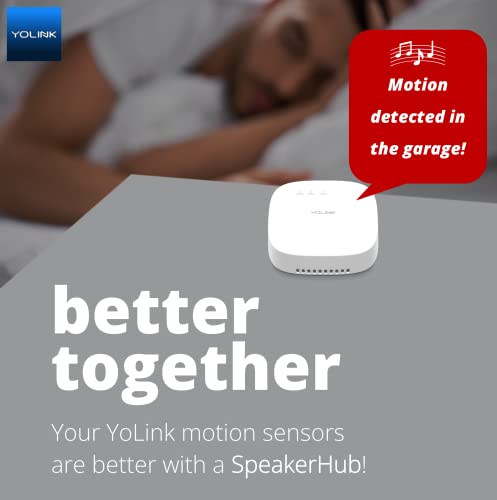
- Companion Speaker Hub is WiFi-only (no Ethernet)
- Mount only tilts up/down (no side swivel)
- Can't schedule the sensor fully off (only mute alerts); quite sensitive to small animals
Who is the YoLink LoRa Motion Sensor for?
This is a motion sensor built on long-range LoRa radio, requiring a YoLink Hub, that communicates up to about a quarter mile and through walls without using your WiFi. It integrates with Alexa, IFTTT and Home Assistant, runs for years on batteries, and pairs in seconds. It's ideal for large or spread-out properties, detached garages, barns, driveways, mailboxes and RVs, anywhere WiFi or Zigbee/Z-Wave can't reliably reach, and for anyone building on the YoLink ecosystem. It's less ideal if you require fully local (no-cloud) operation today, or need the sensor to run only during scheduled hours.
What buyers love
Range is the headline, and owners are genuinely amazed: reliable operation hundreds to a thousand feet from the hub, punching through brick and concrete, with the quarter-mile claim holding up in real use. Because it uses LoRa instead of 2.4GHz WiFi, it avoids the interference and dropouts that kill other sensors, a decisive advantage for smart-home veterans who'd struggled with WiFi/Zigbee/Z-Wave reliability. Setup is famously quick (around 20 seconds per device via QR code), battery life spans years, and it's rock-solid, rarely disconnecting. It integrates easily with Alexa, IFTTT and Home Assistant, detects accurately with adjustable sensitivity, and keeps handy logs (owners track pets or seniors). The broader YoLink ecosystem (contact, temperature, humidity, leak sensors, switches) and the company's responsive support, including free replacements years after purchase, earn strong praise. Common uses: garages, driveways, mailboxes, barns and RV monitoring.
What to know before you buy
A few trade-offs. It relies on YoLink's third-party cloud for full functionality, Home Assistant integration exists, but truly local (no-cloud) operation is limited today (a more local hub is reportedly coming). The companion Speaker Hub is WiFi-only with no Ethernet port, which one networking-savvy owner flags as a reliability weak point. The mount only tilts up and down with no side-to-side swivel, so you must aim it by choosing the right mounting position (some 3D-print an adjustable mount). There's also no way to fully schedule the sensor off, you can only mute alerts on a schedule, so it keeps sensing (and using battery) during times you may not care, and alert schedules apply to all app users rather than per person (Alexa can work around this). It's quite sensitive too, small animals (even a marmot) can trigger it, so expect to dial sensitivity down. Note it's specified as an indoor sensor, though many owners run it outdoors under cover successfully.
Is the YoLink LoRa Motion Sensor worth it?
If you need range, absolutely. Nothing here matches its ability to cover large, spread-out properties, through walls and far from WiFi, while staying reliable and easy to set up, which is why it is well rated. The reasons to pause are its reliance on YoLink's cloud, the WiFi-only Speaker Hub, the tilt-only mount, and the lack of a full on/off schedule, plus high sensitivity that needs tuning. For garages, driveways, barns, mailboxes and any spot beyond reliable WiFi, it's an outstanding, dependable choice, especially within the YoLink ecosystem; if you need fully local control or scheduled-off sensing, weigh those limits first.
Frequently asked questions
How far does the range really reach?
Very far. It uses long-range LoRa radio (via a YoLink Hub) rather than WiFi, and owners reliably operate it 400 to 1,000 feet from the hub, through brick and concrete walls. The advertised quarter-mile open-air range is described by multiple owners as accurate, making it ideal for large properties.
Does it depend on WiFi?
No, and that's a key strength. The sensor communicates over LoRa to the YoLink Hub, so it isn't affected by 2.4GHz WiFi interference or dropouts that disrupt many other sensors. (Note the separate Speaker Hub accessory is WiFi-only, but the sensor-to-hub link is LoRa.)
Do I need a hub, and does it use the cloud?
Yes, it requires a YoLink Hub. Full functionality relies on YoLink's third-party cloud (which enables away-from-home alerts). It does integrate with Home Assistant, but fully local, no-cloud operation is currently limited; YoLink has indicated a more local hub is coming.
Can I schedule when it's active?
Not fully. You can mute alerts on a schedule, but you can't turn the sensor's motion sensing itself off during set hours, so it keeps sensing (and drawing battery) even when you don't need it. Alert schedules also apply to all app users rather than per person, though Alexa routines can work around some of this.
Is it too sensitive or prone to false triggers?
It's quite sensitive, owners report small animals (even a marmot) triggering it, and some indoor users had to lower sensitivity so it only caught real movement. Sensitivity is adjustable, so reducing it (and aiming carefully, given the tilt-only mount) resolves most false triggers.