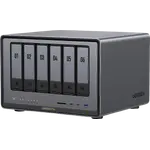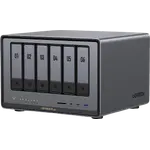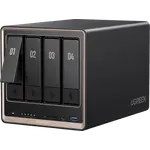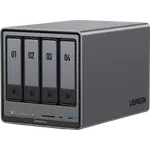


Ubiquiti UNAS 2 Review: PoE-Powered Storage for UniFi
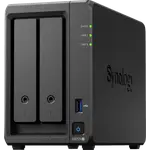
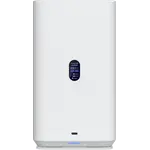
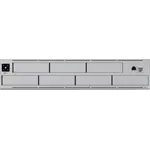
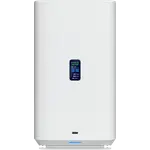
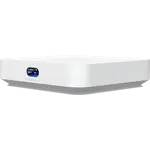
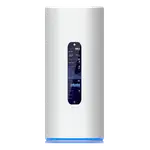
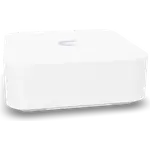
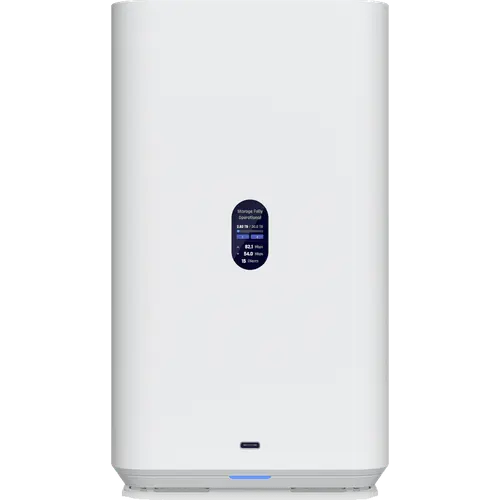
The UNAS 2 is the entry point to UniFi storage: two bays, a 2.5 GbE port, a front USB-C port and a small display, all powered over Ethernet from a PoE++ adapter or switch so there is a single cable. It runs UniFi Drive rather than a general-purpose NAS OS, which means no containers, no virtual machines and no app store.
- Existing UniFi networks
- Single-cable installs
- Simple file sharing
- UniFi Protect footage
Pros
- Powered over Ethernet, single-cable install
- Managed inside the UniFi console
- 2.5 GbE networking
- Front USB-C port and display
- No subscription
Cons
- No Docker, virtual machines or app store
- No Plex or photo AI
- No RAID 5 (two bays)
- Memory, power and noise not published
- Only makes sense inside UniFi
Who is the UNAS 2 for?
People already running UniFi who want storage that appears in the same console as their network gear, with no separate account, app or subscription to manage.
What the UNAS 2 offers
Two 3.5-inch bays, a quad-core ARM Cortex-A55 at 1.7 GHz, 2.5 GbE networking, a 5 Gbps USB-C port, a front display, PoE++ power over a single cable, and management inside UniFi with snapshots and remote backup.
What to know before you buy
UniFi Drive is deliberately narrow: no Docker, no virtual machines, no Plex package, no photo AI. Two bays also means mirroring only. Ubiquiti does not publish memory, power draw or noise for this model.
Is the UNAS 2 worth it?
Inside a UniFi network it is elegantly simple and the single-cable install is genuinely useful. Outside one, a Synology or UGREEN at the same price does far more.
Frequently asked questions
Does it need a UniFi network?
It is designed for one. Management runs through the UniFi console, so outside that ecosystem you lose most of the reason to choose it over a conventional NAS.
Can it run Plex or Home Assistant?
No. UniFi Drive has no container support and no third-party app catalogue, so it stores and shares files but does not host services.