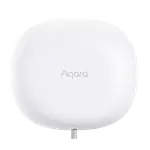
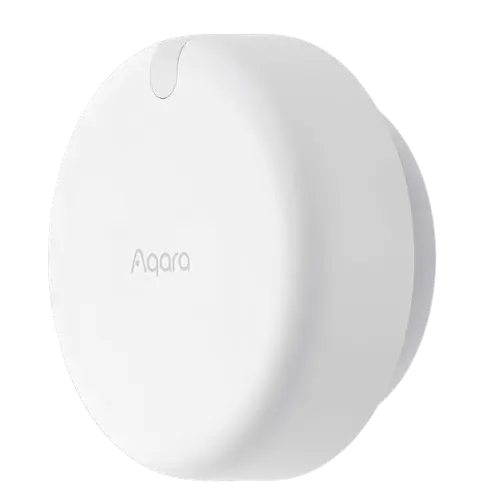


Aqara Presence Sensor FP2 Review: mmWave Zone Detection That Outclasses PIR, With Setup Quirks
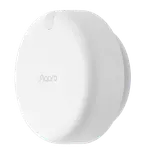
The Aqara Presence Sensor FP2 is a mmWave radar presence sensor that detects people even when they are perfectly still, solving the classic PIR problem of lights cutting out while you sit reading or eating. It can split one room into multiple zones with independent automations, track up to five people, and includes a light sensor for brightness-based automations, all over 2.4GHz Wi-Fi with USB-C power (no batteries). It works with Apple HomeKit, Alexa, Google Home, SmartThings, Home Assistant and IFTTT, and adds fall and sleep monitoring modes. The catch, reflected in its mixed rating, is tuning: setup means carefully mapping the room and interference zones, and reflective surfaces or moving objects (ceiling fans, mirrors, piled pillows) can create ghost detections until dialed in. When set up well it is magic; getting there takes patience.
- Home Assistant and HomeKit users
- Presence-based lighting automations
- Replacing multiple PIR sensors
- Elderly fall monitoring
One sensor per room you want covered.
Buy on Amazon USACheck pricePros
- mmWave radar detects static presence, fixing the PIR lights-off problem
- Splits one room into multiple zones with independent automations
- Tracks up to five people, with fast, low-latency triggering
- Built-in light sensor for brightness-based lighting and curtain automations
- USB-C powered (no batteries) with real-time updates; IPX5 rated
- Broad support (HomeKit, Alexa, Google, SmartThings, Home Assistant, IFTTT) plus fall and sleep modes
Cons
- Prone to ghost detections from reflections, fans and moved objects until tuned
- Involved, not-very-intuitive setup; requires an Aqara account even for local use
- Needs constant power (visible cable); no adapter and no USB-C power delivery
- Presence, fall and sleep modes cannot run at the same time
- Over HomeKit it reports presence as true/false, not a person count; no Matter
- Placement is finicky and it phones home periodically even in HomeKit-only setups
Who is the Aqara Presence Sensor FP2 for?
This is an advanced occupancy sensor for serious smart-home users who want true presence detection, not just motion. It uses millimeter-wave radar to know whether someone is in a space even when they are not moving, and can divide a single room of up to 40 square meters (about 430 square feet, 120-degree, 7-meter range) into multiple zones, each driving its own automations, while tracking up to five people. It has a built-in light sensor for brightness-based automations, runs on USB-C power (so no batteries), is IPX5 rated for humid spots like bathrooms, and adds optional fall detection (ceiling mount) and contactless sleep monitoring. It connects over 2.4GHz Wi-Fi (plus Bluetooth) and integrates with Apple HomeKit, Amazon Alexa, Google Home, Samsung SmartThings, Home Assistant and IFTTT. It best suits Home Assistant and HomeKit users building presence-based lighting, anyone wanting to replace several PIR sensors with one smarter unit, and households needing fall monitoring for elderly relatives.
What buyers love
When it is dialed in, owners describe it as a different level from PIR sensors. The big win is static presence: lights no longer switch off while you sit still reading, eating or watching TV, because the radar still sees you. Buyers love setting up multiple zones in one open-plan space, with one sensor replacing four or more motion sensors, and report fast, low-latency triggering that feels instant. Multi-person tracking is a highlight for households, the built-in light sensor enables brightness-based lighting and curtain automations, and the lack of batteries (constant USB-C power) is repeatedly called a plus for real-time updates and no maintenance. Integration with Home Assistant via HomeKit is praised as a breeze once you know the steps, the magnetic mount is convenient, and the fall and sleep features add value for elderly care. Several owners say firmware and app updates have markedly improved detection and clearing since launch.
What to know before you buy
The honest theme, and the reason for its mixed rating, is tuning and ghosts. mmWave radar is sensitive, so reflective surfaces (mirrors, TVs, glass shower doors) and moving objects (ceiling fans, blinds, even a piled-up pillow, a laundry bag or a suitcase left on a chair) can register as phantom people until you carefully define interference zones, and a fan running over a couch is a common culprit. Setup is involved and not very intuitive: you map the room and zones in the Aqara app (which can be sluggish and has some awkward translations), and it requires an Aqara account even for local-only HomeKit use. Other caveats: it needs constant power (a visible cable) and ships with only a USB-C cable, no adapter, and it does not support USB-C power delivery, so you must use a USB-C-to-USB-A cable. The three modes (presence, fall, sleep) cannot run at once. Over HomeKit it exposes presence as true/false, not a person count, and if the device is lost in HomeKit you generally must reconfigure from scratch. There is no Matter support, and it phones home periodically even in HomeKit-only setups. Placement is finicky: moving it even slightly can require remapping.
Is the Aqara Presence Sensor FP2 worth it?
For the right user, yes, with eyes open. If you run Home Assistant or HomeKit and want genuine presence-based automations, the FP2 is one of the most capable consumer mmWave sensors, and when tuned it works like magic, eliminating the no-motion-lights-off problem and replacing multiple PIRs. But it is pricier than basic sensors, needs constant power, and demands patient setup with interference zones to avoid ghost detections, so it is not a plug-and-play sensor for a casual user or a cluttered, fan-filled room. If you enjoy fine-tuning automations and have a suitable space, it is excellent value for what it enables; if you just need a light to pop on in a closet, a cheap PIR is the smarter buy.
Frequently asked questions
How is the FP2 different from a regular motion sensor?
It uses millimeter-wave radar to detect presence, so it knows you are there even when you are completely still, unlike PIR motion sensors that miss you when you stop moving. It can also split a room into zones and track multiple people at once.
Does it work with HomeKit, Home Assistant, Alexa and Google?
Yes. It works with Apple HomeKit, Home Assistant (added via HomeKit), Amazon Alexa, Google Home, Samsung SmartThings and IFTTT. Note it does not support Matter, and over HomeKit it reports presence as true/false rather than a person count.
Why is it detecting people who are not there?
mmWave radar is very sensitive, so reflections (mirrors, TVs, glass) and moving or moved objects (ceiling fans, blinds, pillows, bags) can cause ghost detections. You fix this by carefully defining interference zones during setup and choosing good placement; a fan over a seating area is a frequent cause.
Does it need batteries or constant power?
It needs constant power via USB-C and has no battery, which keeps updates real-time. It includes only a USB-C cable (no wall adapter) and does not support USB-C power delivery, so use a USB-C-to-USB-A cable into a standard charger.
Can it do fall detection and sleep monitoring?
Yes, it offers both, but they cannot run at the same time as standard presence detection: you choose one mode. Fall detection requires a ceiling mount and is useful for monitoring elderly relatives; sleep monitoring is contactless.