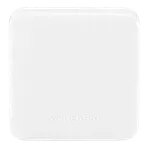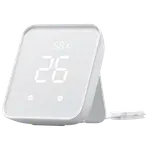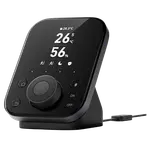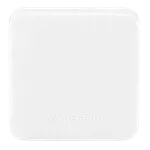
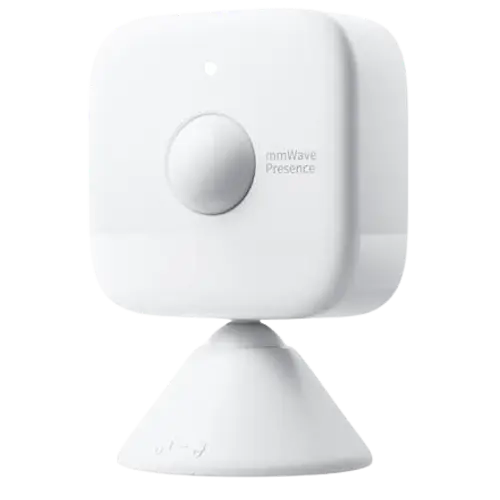
SwitchBot Presence Sensor Review: Battery mmWave Presence Detection, Held Back by Bluetooth
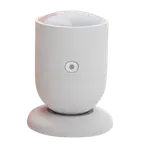
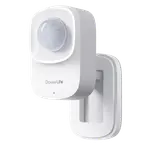
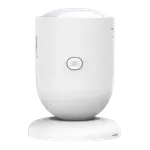
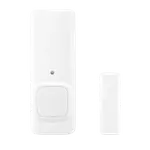
The SwitchBot Presence Sensor is a battery-powered mmWave radar plus PIR sensor that detects real presence, not just motion, so lights stay on while you sit still reading, working, watching TV or even showering. It is genuinely wireless (no cables, up to a claimed two years on batteries), installs in seconds via a magnetic base or 3M adhesive, includes a light sensor, and tunes itself with AI anti-interference in the SwitchBot app. The big trade-off is connectivity: it is Bluetooth only, so it needs a SwitchBot Hub for Alexa, HomeKit (via Matter), Google and SmartThings, and that Bluetooth path can introduce a noticeable trigger delay and does not mesh across multiple sensors. It works with Home Assistant, though the integration is cloud-based. It is simpler than the Aqara FP2 (no zones or multi-person tracking), which keeps it cheap and easy but limits advanced use, and reliability is mixed depending on placement.
- SwitchBot ecosystem owners
- Wireless presence-based lighting
- Replacing PIR motion sensors
- Quick, no-wiring installs
One sensor per room you want covered.
Buy on Amazon USACheck pricePros
- mmWave + PIR detects static presence, so lights stay on when you sit still
- Genuinely wireless: battery powered with a claimed long life, no cables
- Installs in seconds with a magnetic base or 3M adhesive
- Adjustable sensitivity, range and timer with AI anti-interference in the app
- Built-in light sensor for brightness-based automations
- Works with Alexa, HomeKit (via Matter), Google and SmartThings through a SwitchBot Hub, plus Home Assistant
Cons
- Bluetooth only: needs a SwitchBot Hub for full integration and can lag
- No Zigbee/Thread, so multiple sensors do not mesh; hub placement matters
- Home Assistant integration is cloud-based (privacy and outage concerns)
- No zone positioning or multi-person tracking (simpler than the Aqara FP2)
- Some report shorter-than-advertised range and faster battery drain
- Light sensor does not report in lux; no fall or sleep monitoring
Who is the SwitchBot Presence Sensor for?
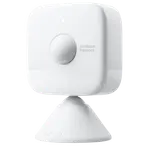
This is a battery-powered occupancy sensor for people who want true presence detection without running wires. It combines 60GHz mmWave radar with PIR to detect a stationary person (down to subtle chest movement from breathing), with a 120-degree field of view, up to 8m motion and 5m static-presence range, plus a built-in light sensor for brightness-based automations. It runs on AAA batteries (claimed up to two years), mounts in seconds with a magnetic base or 3M adhesive, and is configured in the SwitchBot app with adjustable sensitivity, range, an unoccupied timer and AI self-learning anti-interference. It connects over Bluetooth, so a SwitchBot Hub is required to expose it to Amazon Alexa, Apple HomeKit (via Matter), Google Home, SmartThings and IFTTT; it also works with Home Assistant. It best suits people already in the SwitchBot ecosystem, anyone wanting a wireless upgrade from PIR motion sensors for presence-based lighting, and users who value a fast, no-drilling install over advanced zone features.
What buyers love
The core appeal lands: owners say it is a clear upgrade over PIR motion sensors because it keeps lights on when you stop moving, fixing the classic problem of waving your arm to keep a room lit while reading, working or relaxing. Several highlight that it works even through a glass shower door (and a towel), holds presence while you nap on the couch, and triggers reliably. The wireless, battery-powered design with a magnetic base and adhesive is repeatedly praised for taking about 30 seconds to install anywhere, and the SwitchBot app earns credit for fine-grained sensitivity, range and timer settings plus the included light sensor for smarter automations. For SwitchBot owners it pairs quickly with a Hub and exposes as an occupancy sensor to HomeKit via Matter, and Home Assistant users who use the local Bluetooth integration call it fast and dependable. Many consider it strong value next to pricier presence sensors like the Aqara FP2.
What to know before you buy
The defining limitation is Bluetooth-only connectivity. There is no Wi-Fi, Zigbee or Thread, so a SwitchBot Hub is required for full smart-home integration, the Bluetooth link can add a noticeable trigger delay (sometimes a few seconds), and multiple sensors do not mesh, so reliability can depend heavily on hub placement. The Home Assistant cloud integration requires a SwitchBot account and routes data through SwitchBot's servers, which some flag as a privacy concern and a failure point if the internet drops (a local Bluetooth path exists and works well for others). Capability is basic compared with the FP2: there is no zone positioning into multiple areas and no multi-person tracking, so it behaves like a smarter motion detector rather than a full occupancy mapper. Some owners found the real-world range shorter than the advertised 8m/5m, reported faster-than-expected battery drain, a sensor that occasionally would not clear, a light sensor that does not report in lux, or a mounting base that was fragile on installation. It has no fall or sleep monitoring.
Is the SwitchBot Presence Sensor worth it?
For the right setup, yes: it is an affordable, genuinely wireless way to get presence-based lighting that keeps the lights on when you are still, and it installs in seconds. If you are already in the SwitchBot ecosystem with a Hub, or you want a battery sensor for Home Assistant and can accept a slight Bluetooth delay, it is a solid, well-priced pick. Go in knowing it is Bluetooth-only (so hub placement matters and there is some lag), the cloud integration has privacy implications, and it lacks the zones and multi-person tracking of higher-end sensors. If you need instant, mesh-networked, zone-based detection, a wired Wi-Fi or Zigbee/Thread sensor will serve better; if you want simple, wireless presence detection on a budget, this delivers.
Frequently asked questions
How is it different from a regular motion sensor?
It uses mmWave radar plus PIR to detect presence, so it knows you are in the room even when you are sitting still, unlike PIR-only motion sensors that turn lights off when you stop moving. It does not, however, map multiple zones or track multiple people.
Does it need a SwitchBot Hub?
For full smart-home integration, yes. It connects over Bluetooth, so a SwitchBot Hub is required to expose it to Alexa, Apple HomeKit (via Matter), Google Home, SmartThings and IFTTT. It also works with Home Assistant, where a local Bluetooth integration is available.
Is there a delay when triggering automations?
There can be. Because it is Bluetooth-only, some owners see a short delay (sometimes a few seconds) before automations fire, and reliability depends on how close the SwitchBot Hub is. Others find it fast and consistent, so placement matters.
Is it battery powered or wired?
It is battery powered (AAA), with a claimed life of up to about two years, and mounts wirelessly via a magnetic base or 3M adhesive. A few owners report faster drain in practice, which you can mitigate by reducing range and increasing the cooldown.
Does the Home Assistant integration work locally?
There is a cloud-based integration that needs a SwitchBot account and routes data through SwitchBot's servers, plus a local Bluetooth path that several owners find reliable. Full cloud functionality was still maturing for some, so check current status if local-only operation matters to you.