Moes BRT-100 Zigbee Radiator Valve Review: Per-Room Heating Control With External Sensor Support
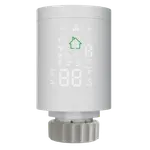
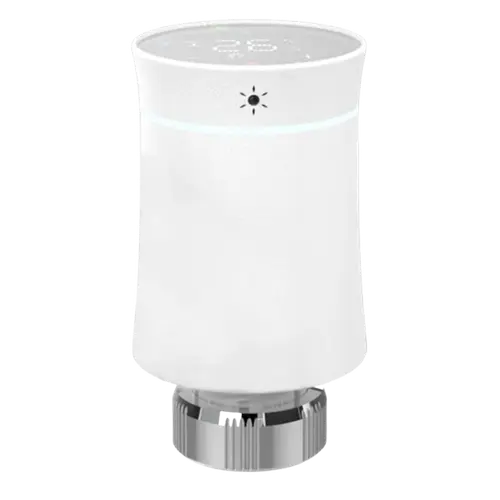
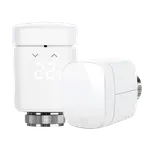
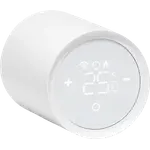
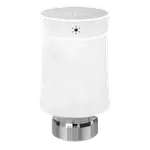
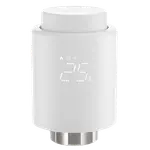
The Moes BRT-100 is a Zigbee thermostatic radiator valve that replaces the manual knob on a radiator so each room can hold its own temperature on its own schedule. It reads room temperature, shows it on an LED display, takes manual schedules, and can use an external temperature sensor, which is the feature that matters most on a TRV because the valve sits in the warm air rising off the radiator and misreads the room otherwise. It works with Google Home, Alexa and Home Assistant through a Zigbee hub, and runs on two AA batteries. Missing pieces are frost protection, child lock and any kind of automatic or learning schedule.
- Room-by-room heating control
- Zigbee and Home Assistant homes
- Cutting heating bills in unused rooms
- Radiators without a smart thermostat
Pros
- Per-room heating control on any compatible radiator
- External temperature sensor support, which fixes the classic TRV misreading problem
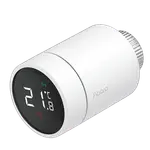
- LED display showing the current temperature at the radiator
- Manual scheduling plus automation support
- Works with Google Home, Alexa and Home Assistant
- Runs on two AA batteries, no wiring needed
- Two year warranty
Cons
- Requires a Zigbee hub, with no Wi-Fi or Bluetooth fallback
- No frost protection
- No child lock
- No automatic or learning schedules, and no smart suggestions
- No Apple HomeKit, SmartThings, IFTTT or Matter support
- No humidity sensing
- Battery life is not documented
Who is the Moes BRT-100 for?
Smart radiator valves solve a problem a single smart thermostat cannot: the boiler heats the whole house to one temperature, even the spare room nobody uses. Fitting TRVs lets each radiator run its own schedule, which is where the real savings are. This one is for a Zigbee household, since it needs a hub, and it fits nicely with Home Assistant for anyone who wants to drive heating from occupancy or presence sensors rather than a fixed timetable. Google Home and Alexa are both supported for voice adjustments.
What it does well
The valve measures room temperature and displays it on the device, so you can check and adjust at the radiator without a phone. Manual scheduling covers the standard case of warm mornings and evenings with setbacks in between, and automations let other parts of your smart home drive the heating. The strongest feature is external temperature sensor support: a TRV mounted on a hot radiator naturally reads warmer than the room, so it closes the valve too early, and feeding it a reading from a sensor elsewhere in the room fixes that. Running on two AA batteries means no wiring and easy replacements, and Zigbee is the right radio for a battery device that needs to last.
What to know before you buy
Check the fitting before ordering: radiator valves come in different thread standards, and a TRV only helps if it physically mounts on your radiator. On features, there is no frost protection, so it will not automatically keep pipes above freezing in an unheated room, no child lock to stop the settings being changed at the valve, and no automatic or learning schedule and no smart suggestions, meaning every schedule is one you set yourself. Platform support stops at Google Home, Alexa and Home Assistant: no Apple HomeKit, no SmartThings, no IFTTT and no Matter. A Zigbee hub is required, there is no Wi-Fi fallback, and battery life is not documented for this model.
Is the Moes BRT-100 worth it?
TRVs pay for themselves through rooms you stop heating, so the sums depend on how many radiators you fit and how cold your unused rooms currently run. This one lands mid-range in price with a two year warranty, and the external sensor support puts it ahead of cheaper valves that misread the room. If you need frost protection or a child lock, or you are an Apple household, check the alternatives first.
Frequently asked questions
Does the Moes BRT-100 need a hub?
Yes. It is a Zigbee device, so a Zigbee hub is required. There is no Wi-Fi or Bluetooth option.
Can it use a temperature sensor from elsewhere in the room?
Yes. External temperature sensors are supported, which is important because a valve mounted on a hot radiator reads warmer than the room itself.
Does it work with Apple HomeKit?
No. Google Home, Alexa and Home Assistant are supported. Apple HomeKit, Samsung SmartThings, IFTTT and Matter are not.
Does it have frost protection or a child lock?
No to both. Neither frost protection nor child lock is supported on this model.
What powers it?
Two AA batteries. Battery life is not documented for this model, though Zigbee devices are generally efficient.





![Bosch Smart radiator thermostat II [+M]](/img/item-types/radiator-valves/bosch-smart-radiator-thermostat-2-thumb.webp)