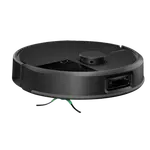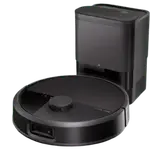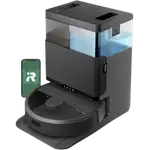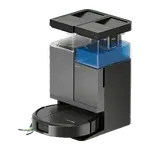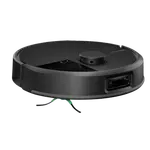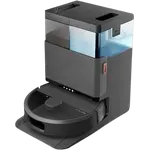




iRobot Roomba 105 Review: A Straightforward LiDAR Vacuum That Nails the Basics
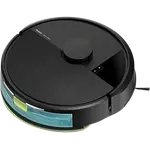
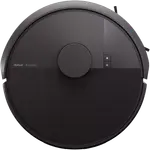
The Roomba 105 is a vacuum-only entry in iRobot's lineup that uses LiDAR to map a home and clean in organized rows rather than wandering randomly, and owners consistently praise how much pet hair and everyday debris it pulls up for the price. Runtime is the main limitation buyers flag, with some needing a recharge partway through a larger home, and a handful report battery or navigation issues emerging after a few months. For buyers who want dependable daily vacuuming on hard floors and low-to-medium pile carpet without paying for mopping or self-emptying, it is a solid, budget-friendly pick.
- Budget-conscious buyers wanting mapped navigation
- Pet owners managing shedding between deeper cleans
- Small to medium homes with hard floors and light carpet
- First-time robot vacuum buyers
Pros
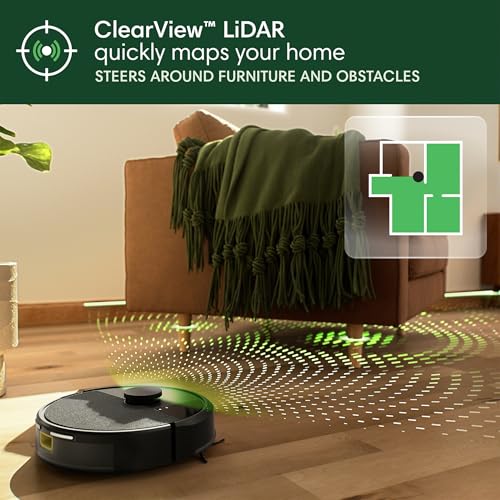
- LiDAR mapping cleans in organized rows instead of random bumping
- Strong everyday suction on pet hair and hard-floor debris for the price
- Larger dustbin needs less frequent emptying
- Simple app scheduling with multiple saved maps and no-go zones
- Quieter operation than older, non-mapping robot vacuums
Cons
- Battery life can fall short in larger homes, requiring a mid-clean recharge
- Weaker suction reported on medium-to-high pile carpet than on hard floors
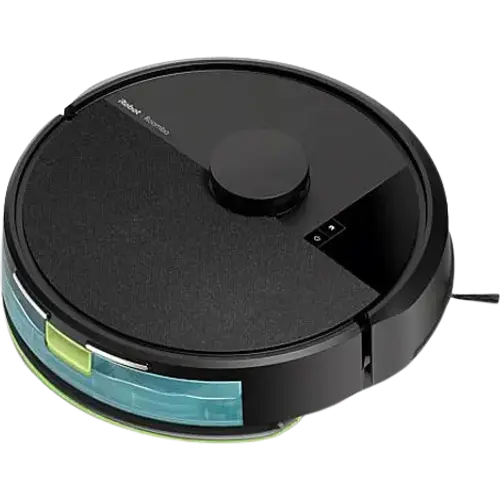
- No mopping, detergent, auto mop washing, drying or lifting support
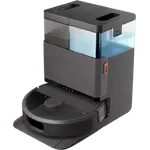
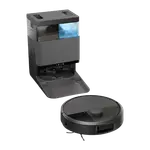
- No self-emptying dock; bin must be emptied manually
- 2.4GHz WiFi only, no Bluetooth, Apple HomeKit, Samsung SmartThings, Home Assistant or Matter
Who is the iRobot Roomba 105 for?
This model suits buyers who want a no-frills, mapped robot vacuum for daily upkeep rather than a full vacuum-and-mop system. Owners frequently mention pet hair as the main use case, running it between vacuum days to keep floors manageable in homes with dogs and cats, and several specifically call out how much hair and fine debris it pulls from under beds and furniture. It is also popular as a first robot vacuum or as an upgrade from a much older, non-mapping model, since reviewers who made that jump describe a clear improvement in bin size, filtration and quieter operation.
What buyers love
The LiDAR navigation stands out in feedback: once mapped, the robot cleans in organized rows rather than bumping around at random, matching the multi-room mapping and no-go zones in the spec sheet. Suction on hard floors and pet hair is repeatedly praised as strong for the price, and several owners note the larger dustbin means it can go a few days without emptying. Buyers also like the straightforward setup, app-based scheduling with multiple saved maps, and quieter operation compared to older robot vacuums they had used before.
What to know before you buy
Battery life is the most common caveat: several owners say it needs a recharge partway through cleaning a larger home before resuming, and runtime felt shorter than expected in daily use. A few buyers found suction noticeably weaker on medium-to-high pile carpet than on hard floors, and a handful reported battery or navigation issues appearing a few months after purchase, needing a factory reset or a replacement unit. This model has no mopping function at all, since mopping, detergent compatibility, auto mop washing, auto mop drying and auto mop lifting are all unsupported, and there is no self-emptying dock, so the bin must be emptied by hand. Connectivity is 2.4GHz WiFi only, with no Bluetooth, Zigbee, Z-Wave, Thread, Apple HomeKit, Samsung SmartThings, Home Assistant or Matter (Google Home, Alexa and IFTTT are supported).
Is the iRobot Roomba 105 worth it?
With roughly three hours of runtime per charge, auto-recharge and a 1-year warranty, the Roomba 105 is built as an affordable, mapped vacuum-only option rather than a premium all-in-one system. Feedback skews positive for daily maintenance cleaning on hard floors and light carpet, especially in pet households, while the more critical reviews tend to come from homes with heavier carpet or larger floor plans that push its battery and suction harder. For buyers who specifically want LiDAR mapping without paying for mopping or self-emptying, it is a reasonable, budget-friendly choice.
Frequently asked questions
Does the Roomba 105 mop as well as vacuum?
No, this model is vacuum-only; mopping, detergent compatibility and the related auto mop features are not supported.
Does it use LiDAR mapping?
Yes, it uses LiDAR navigation for multi-room mapping and no-go zones, cleaning in organized rows once a map is built rather than wandering randomly.
How long does the battery last?
It runs for around 200 minutes on paper with auto-recharge, though several owners report needing a mid-cleaning recharge in larger homes.
Does it have a self-emptying dock?
No, self-emptying is not supported, so the onboard dustbin needs to be emptied by hand.
Does it work with Alexa and Google Home?
Yes, it supports Google Home, Amazon Alexa and IFTTT. It does not support Apple HomeKit, Samsung SmartThings, Home Assistant or Matter.