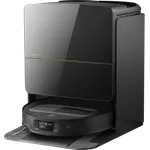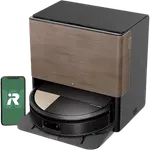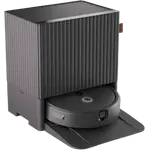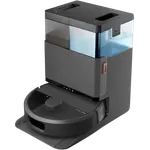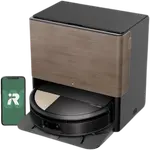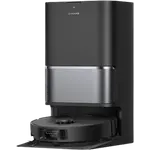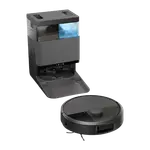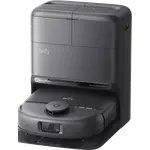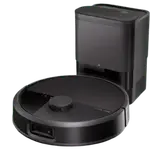





iRobot Roomba 205 Review: A Dock-Free Vacuum That Compacts Its Own Dirt
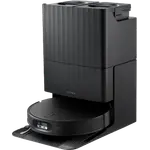
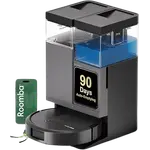
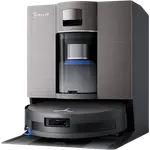
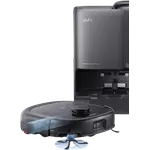
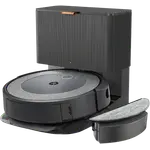
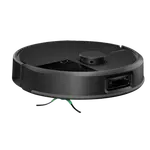
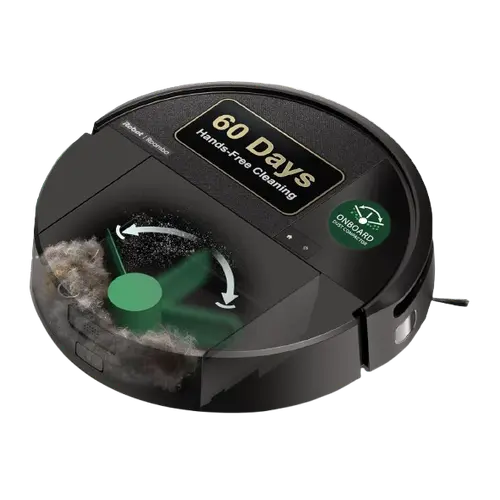
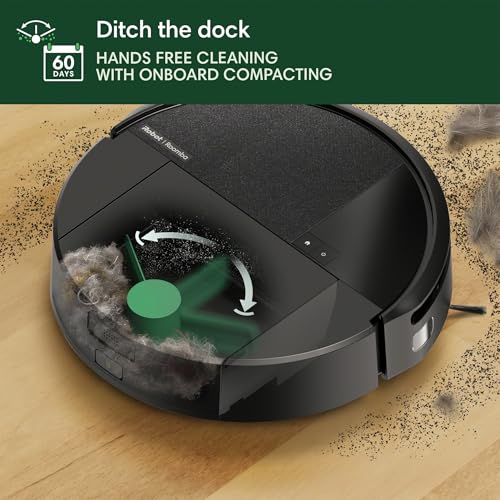
The Roomba 205 skips the usual bulky auto-empty tower in favor of an internal DustCompactor that presses debris down inside the robot itself, paired with a small charging base and LiDAR-based room mapping. Owners consistently like how rarely they need to empty the bin and how well it handles pet hair on both carpet and hard floors, but a recurring complaint is battery life, with several buyers needing multiple recharge cycles to finish a single-level home. It suits buyers who want a compact, low-maintenance vacuum-only robot and don't mind it taking longer on bigger floor plans.
- Buyers who want to avoid a bulky auto-empty dock
- Pet owners managing daily shedding
- Small to medium single-level homes
- Buyers who only need vacuuming, not mopping
Pros
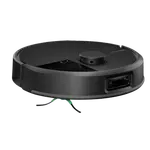
- Internal DustCompactor reduces how often the bin needs emptying
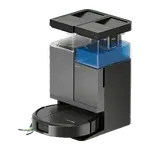
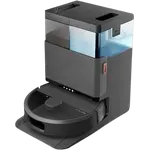
- Compact charging base with no bulky auto-empty dock or bags
- LiDAR mapping is quieter and more accurate than older camera-based robots, even in the dark
- Strong suction on carpet and hard floors, good with pet hair
- Live cleaning map and room-specific selection in the app
Cons
- Battery life often requires multiple recharge cycles to finish a full floor plan
- Can get stuck on loose cords, thresholds or small mats
- Bin can be awkward to empty despite the compaction feature
- No mopping, detergent compatibility or auto mop features
- No Bluetooth, Apple HomeKit, Samsung SmartThings, Home Assistant or Matter
Who is the iRobot Roomba 205 for?
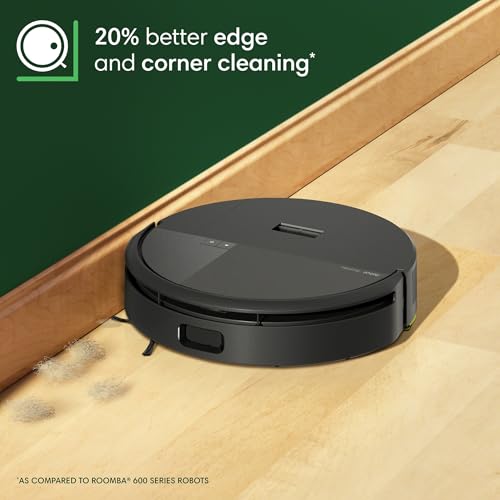
This model suits buyers who want the maintenance benefits of self-emptying without the footprint of a large auto-empty tower with disposable bags. Owners repeatedly mention using it in pet households, praising how well it clears dog and cat hair from both carpet and hardwood floors between deeper cleans. Several reviewers specifically chose it over combo mop models because they preferred fewer moving parts that could break, and it is popular as a second-floor or basement-specific unit for buyers who already own another robot vacuum.
What buyers love
The internal DustCompactor is the standout feature in owner feedback: it compresses debris inside the robot so the bin needs emptying far less often than a standard dustbin, and buyers like that the compact charging base takes up much less space than a bagged auto-empty dock, matching the space-saving, no-dock design the spec sheet describes. LiDAR-based multi-room mapping and no-go zones draw praise for being quieter and more accurate than older camera-based robots, including working reliably in the dark. Suction on carpet and hard floors is repeatedly called strong for the price, and the app's live cleaning map and room selection are noted as genuine improvements over older Roomba generations.
What to know before you buy
Battery life is the most consistent caveat: several owners report needing two or more recharge cycles to finish a single level of a home, with some describing full-house cleans stretching to three or four hours including charging stops. A handful of buyers also mention getting stuck on loose cords, thresholds or small mats, and a couple found the bin awkward to empty despite the compaction feature reducing how often it's needed. The app has some rough edges too, including occasional bugs around detecting whether the robot is docked. This model has no mopping function at all, since mopping, detergent compatibility and all the auto mop features are unsupported, and connectivity is dual-band WiFi (2.4GHz and 5GHz), with no Bluetooth, Zigbee, Z-Wave, Thread, Apple HomeKit, Samsung SmartThings, Home Assistant or Matter (Google Home, Alexa and IFTTT are supported).
Is the iRobot Roomba 205 worth it?
With around two hours of runtime per charge, auto-recharge and a 1-year warranty, the Roomba 205 is built to reduce maintenance hassle through its compaction design rather than to be the fastest robot on the market. Sentiment is generally positive for buyers with smaller to medium single-level homes who value fewer trips to the trash can and a smaller charging footprint, while the more frustrated reviews tend to come from larger homes where the battery limitation is felt most. For buyers who specifically want to skip a bulky auto-empty dock without sacrificing low-maintenance emptying, it is a solid, focused choice.
Frequently asked questions
What is the DustCompactor feature on the Roomba 205?
It's an internal mechanism that compresses collected debris inside the robot itself, so the bin can go longer between emptyings without needing a large auto-empty dock or bags.
Does the Roomba 205 need a large docking tower?
No, it uses a small, compact charging base rather than a bulky auto-empty dock, since dust compaction happens inside the robot itself.
Does it mop as well as vacuum?
No, this model is vacuum-only; mopping, detergent compatibility and the related auto mop features are not supported.
How long does the battery last?
It runs for around 120 minutes on paper with auto-recharge, though several owners report needing more than one recharge cycle to finish cleaning a full single-level home.
Does it work with Alexa and Google Home?
Yes, it supports Google Home, Amazon Alexa and IFTTT. It does not support Apple HomeKit, Samsung SmartThings, Home Assistant or Matter.