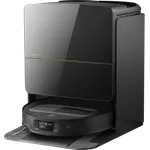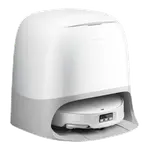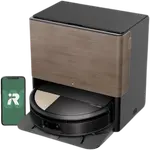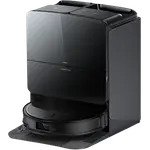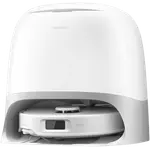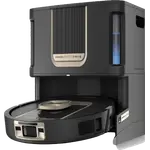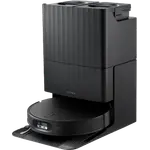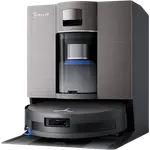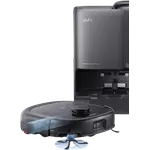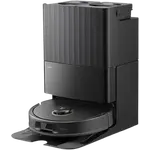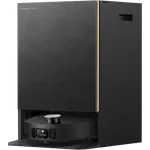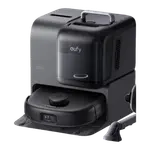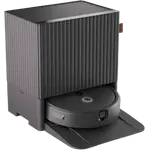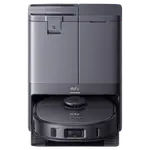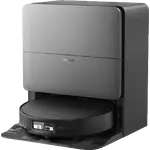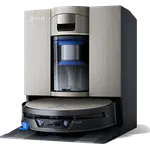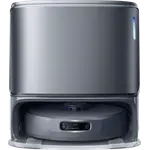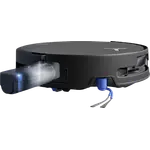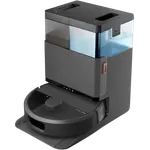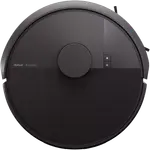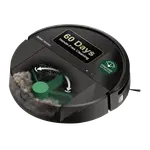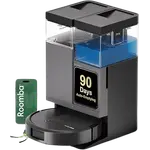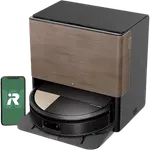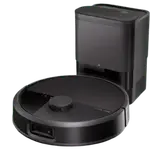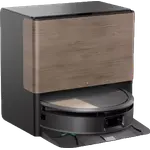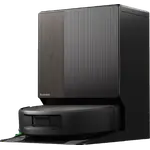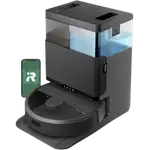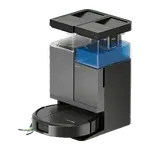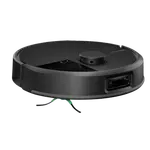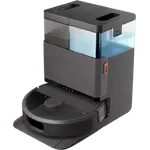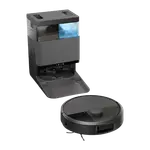



iRobot Roomba Combo 10 Max Review: Great on Paper, Held Back by Reliability
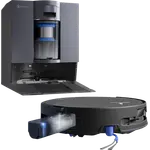
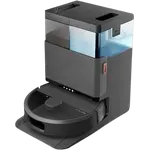
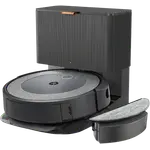
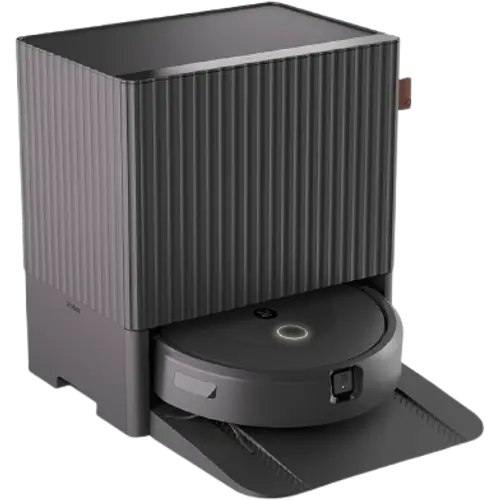
The iRobot Roomba Combo 10 Max promises a lot: it vacuums and mops, and its AutoWash dock self-empties the bin, washes and dries the mop pad, and refills water, with the mop pad auto-retracting onto carpet. It maps well, supports no-go zones, and integrates with Alexa, Apple HomeKit, Google Home, SmartThings, Home Assistant and Matter. The problem is reliability: a large share of owners report it works well for a few weeks to a few months, then fails constantly (unfinished jobs, getting stuck, dead battery before reaching the dock, bin and dirty-water errors), and many found iRobot support slow or unhelpful for a device this expensive. It also uses a camera (VSLAM) rather than LiDAR, so it needs the lights on to navigate, and the mopping is more wet-wiping than true scrubbing. Some owners are delighted, but the low average rating reflects how often it disappoints.
- Apple HomeKit households
- Light daily vacuum-and-mop
- Hands-off dock fans (if it behaves)
- iRobot ecosystem loyalists
Pros
- AutoWash dock self-empties, and washes, dries and refills the mop system
- Excellent mapping with no-go zones when it is working
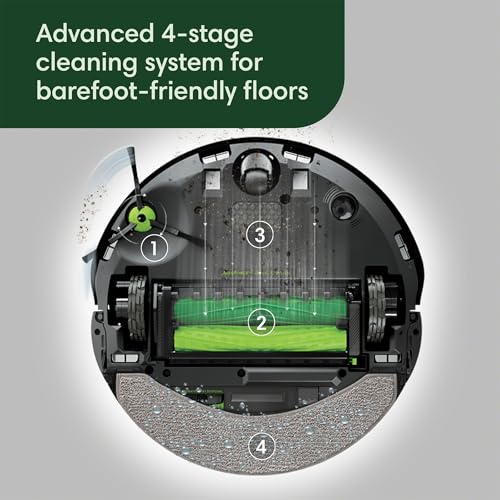
- Mop pad auto-retracts onto carpet; mopping improved over older iRobot models
- Quieter than the older J7+, with only brief loud self-emptying
- Very broad smart-home support: Alexa, Apple HomeKit, Google Home, Home Assistant, IFTTT and Matter
- Handles light daily dust and pet hair well in good conditions
Cons
- Frequent reliability failures after weeks to months (unfinished jobs, stuck, lost dock)
- Camera (VSLAM) navigation needs the lights on; struggles in the dark
- Mopping is wet-wiping, and the pad can stay damp and turn musty
- Pet hair clogs the system; running vacuum and mop together can trigger false clog errors
- Slow, script-bound customer service and parts shortages reported, on an expensive device
- No child lock, and it cannot mop areas it cannot reach (between rugs/walls)
Who is the iRobot Roomba Combo 10 Max for?
This is iRobot's premium vacuum-and-mop combo, aimed at people who want one machine to handle light daily cleaning and mopping with minimal hands-on upkeep. The standout is the AutoWash dock: it self-empties the robot's bin, washes and dries the mop pad, and refills the water, and the mop pad auto-retracts so it does not drag over carpet. It navigates and maps with a camera-based system (VSLAM), supports multi-room maps, no-go zones, real-time tracking and scheduling, runs about 120 minutes, and has a 300ml onboard bin and a 170ml water tank. Importantly for smart homes, it works with Amazon Alexa, Apple HomeKit, Google Home, Samsung SmartThings, Home Assistant, IFTTT and Matter, which is broader than most rivals. It is best suited to HomeKit and other smart-home users who want light, regular vacuum-and-mop passes on mostly hard floors, and to iRobot fans, provided they are comfortable with the reliability risk below.
What buyers love
When it works, owners are genuinely happy. The mapping is praised as the best across several Roomba generations, accurately learning the home and cleaning around obstacles and clutter without getting jammed. The vacuuming is called more than sufficient for day-to-day dust, pet hair and tracked-in dirt, and the mopping is rated better than earlier iRobot mops, with stain detection and extra scrubbing where needed. The AutoWash dock doing the dirty work (emptying, washing and drying the pad, refilling water) is the big appeal, and several note it is noticeably quieter than the older J7+, with only about ten seconds of loud self-emptying. Smart-home integration is a bright spot too, with one owner running it through Apple HomeKit for weeks without issues. For light cleaning in average conditions, the happy owners consider it a high-quality, convenient machine.
What to know before you buy
The dominant theme in reviews, and the reason for the low rating, is reliability. Many owners describe a strong first few weeks or months followed by constant failures: jobs that stop partway, the robot unable to relocalize or find its way home, a dead battery just feet from the dock, and recurring bin, clog and dirty-water-tank errors, with the app's own history showing only a fraction of jobs completing. Because it uses a camera (VSLAM) rather than LiDAR, it needs the lights on to navigate and struggles in the dark. The mopping is wet-wiping rather than true scrubbing, the pad can stay damp and turn musty, and running vacuum and mop together can wet the bag and trigger false clog errors. Pet hair frequently clogs the system before reaching the bin. Several buyers found iRobot customer service slow, script-bound or out of stock on parts for months, which stings on a device in the top price tier of the category. A recurring comparison in reviews is that cheaper LiDAR robots from rivals do the same job more reliably. It also cannot mop areas it cannot physically reach (between rugs or against walls), and it has no child lock.
Is the iRobot Roomba Combo 10 Max worth it?
It is hard to recommend at full price. The concept is excellent and a minority of owners love it, but too many report it degrading into an expensive doorstop within months, with support that struggles to fix it, which is why its average rating is low. If you are deep in the iRobot or HomeKit ecosystem, mostly have hard floors and good lighting, want light daily vacuum-and-mop passes, and can buy it on a steep discount with a solid return window, it may suit you. Otherwise, given the reliability complaints and that it relies on a camera rather than LiDAR, many buyers would be better served by a LiDAR-based vacuum-and-mop from another brand. Go in with low expectations and a plan to return it if the failures start.
Frequently asked questions
Does the Roomba Combo 10 Max empty and wash itself?
Yes. The AutoWash dock self-empties the robot's bin, and washes and dries the mop pad, and refills the water tank, so day-to-day upkeep is low when the machine is working correctly. The mop pad also auto-retracts so it does not drag over carpet.
Does it use LiDAR navigation?
No. It uses a camera-based system (VSLAM) rather than LiDAR, which means it needs the lights on to navigate and can struggle in the dark. Several owners cite this as a disadvantage versus LiDAR robots from other brands.
How reliable is it?
Reliability is the main concern in reviews and the reason for its low rating. Many owners report it working well for a few weeks to months, then failing often (unfinished jobs, getting stuck, not returning to the dock, bin/dirty-water errors), with customer service slow to resolve issues.
Which smart home platforms does it support?
It has unusually broad support: Amazon Alexa, Apple HomeKit, Google Home, Samsung SmartThings, Home Assistant, IFTTT and Matter. HomeKit control in particular is reported to work well.
How good is the mopping?
It is more of a wet-wipe than a deep scrub, though it improves on older iRobot mops and can target stains. The pad can stay damp and develop a musty smell, and it only mops areas it can physically reach, so spots between rugs or against walls may be missed.