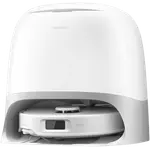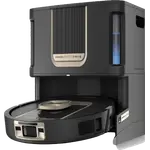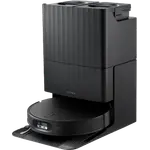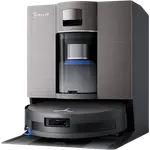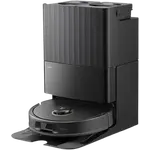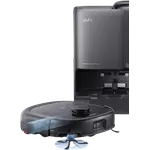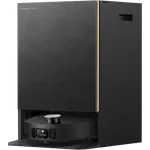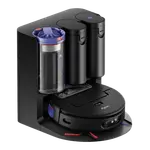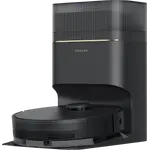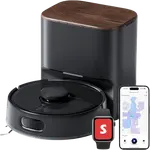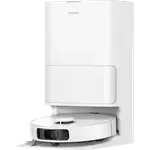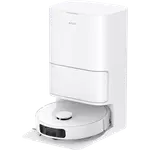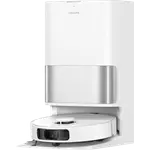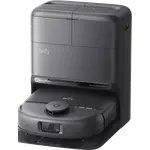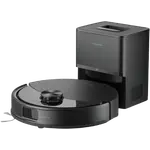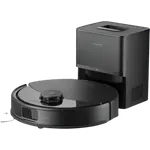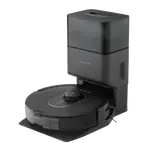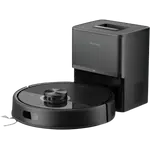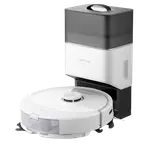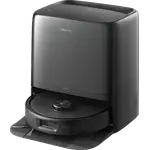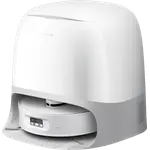


Roborock Qrevo Pro Review: Edge Mopping Done Right, If It Goes the Distance
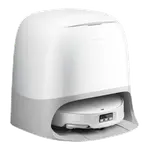
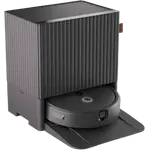
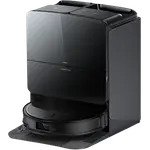
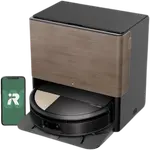
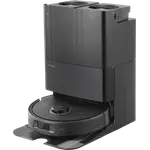
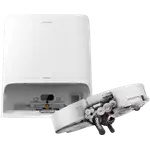
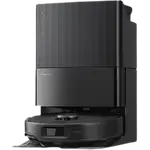
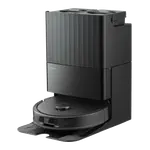
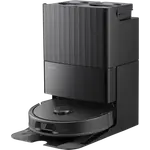
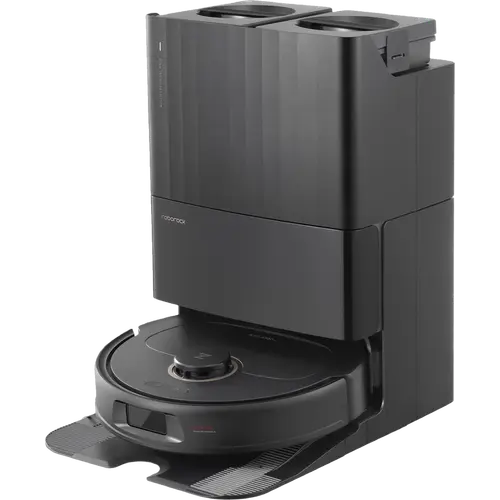
The Qrevo Pro is the model that made Roborock's FlexiArm edge mopping mainstream: the mop extends past the chassis to reach baseboards and kick plates, while the dock washes the pads in 140F water, dries them with warm air, refills the tank and empties the bin. Owners describe it as genuinely life-changing for households with pets, toddlers and large hard-floor areas, and the app earns repeated praise for maps, zones and schedules. The consistent criticism is durability past the warranty window, with several reviewers reporting LiDAR or brush faults in year two and being quoted paid repairs. At its current price it is a strong buy, provided you factor in that risk.
- Homes with lots of hard floor
- Pet and toddler households
- Buyers who care about edges and corners
- People upgrading from a basic robot vacuum
Pros
- FlexiArm extending mop genuinely reaches edges and corners
- Hot-water mop washing and warm-air drying at the dock
- Fast, accurate LiDAR mapping with a well-liked app
- Auto-empty, auto-refill and auto-dry keep maintenance low
- Strong value now that it sits below the current flagships
Cons
- Multiple reports of failures shortly after the one-year warranty
- Repairs quoted rather than replacements, per several owners
- 7,000 Pa suction is modest against newer models
- Mopping suits maintenance rather than heavy or dried-on messes
- No Matter support
Who is the Roborock Qrevo Pro for?
This is the value pick in the Qrevo line for people whose main complaint about robot mops is that they never reach the edges. The FlexiArm mop extends to cover roughly 98.8% of edges with a small margin, and the side brush does the same for corners. With 7,000 Pa of suction, 10 mm mop lifting for carpet and a multifunctional dock that empties, refills, washes with hot water and dries, it covers the full hands-off routine at a much lower price than the flagships. It suits mid-size homes with tile or hardwood plus some rugs.
What buyers love
Reviewers describe set-up as quick and the app as the highlight: creating maps and zones, assigning schedules and customising suction and water level per room. Several owners in complex homes, including a Victorian with bays, nooks and built-ins, say navigation handled the layout better than expected. The dual mop and hot-water washing get credit for keeping floors genuinely clean rather than just damp, and retirees and people with mobility limits repeatedly mention how much daily effort it removes. Multiple owners report a year of trouble-free use before any problem appears.
Where it falls short
The dominant complaint is what happens after year one. Owners report LiDAR modules failing, brush errors recurring, and units stopping shortly after the warranty ends, with Roborock quoting service fees rather than replacing. Several describe support as slow or unhelpful, and one notes the offer was a small discount toward a new machine rather than a fix. Cleaning-wise the 7,000 Pa suction is modest by current standards, so deep carpet is not its strength, and the mop is best at maintenance rather than heavy grime.
Living with it day to day
The dock handles dust emptying, water refilling, hot-water mop washing and warm-air drying, so weekly effort is low. Owners recommend letting it complete a full mapping run first, then building room schedules. Carpet is handled by lifting the mops 10 mm and boosting suction, or by vacuuming carpets first before the mopping pass. Voice control works through Alexa, Google Home and Siri, and the app supports child lock and off-peak charging.
Frequently asked questions
What does FlexiArm edge mopping actually do?
The mop module extends out past the robot's chassis when it detects a wall or edge, so the pad reaches the baseboard instead of leaving an uncleaned strip. Roborock quotes 98.8% edge coverage with a 1.85 mm margin.
Does the dock use hot water?
Yes. It washes the mop pads with 140F hot water, checks how dirty they are and re-washes if needed, then dries them with 113F warm air.
Will it damage or soak my carpet?
No. The mops lift 10 mm when carpet is detected, and you can set the robot to vacuum carpets first, boost suction on them, or skip them during mopping.
How is suction compared with newer models?
At 7,000 Pa it is well below current flagships that reach 20,000 Pa or more. It is fine for hard floors and low-pile carpet but not the choice for deep-pile carpet.
What do owners say about long-term reliability?
Most report a strong first year. The recurring complaint is faults appearing in year two, particularly LiDAR and brush errors, with paid repairs offered rather than replacement.