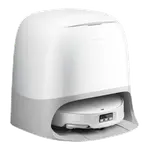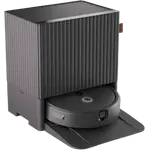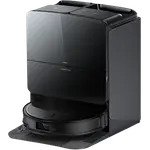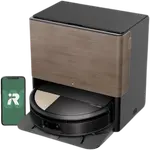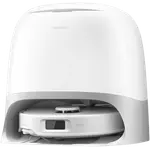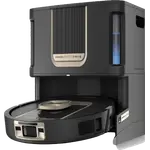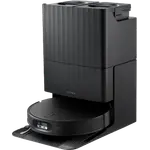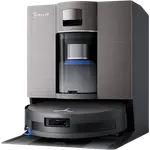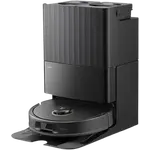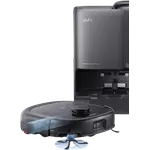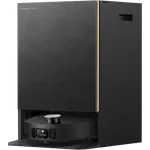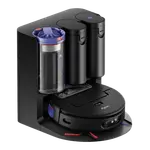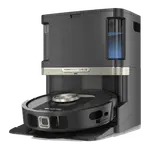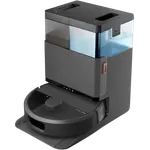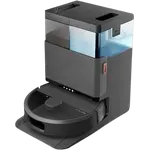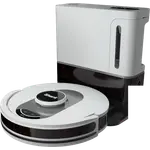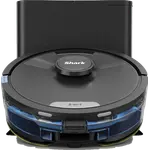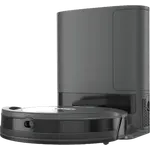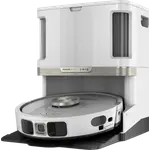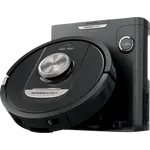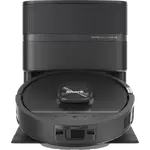




Shark PowerDetect NeverTouch Pro Review: Convenient When It Works, Fragile Base
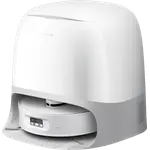
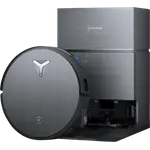
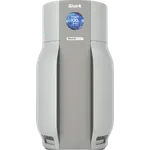
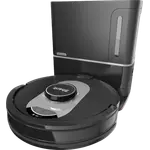
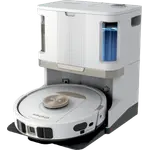
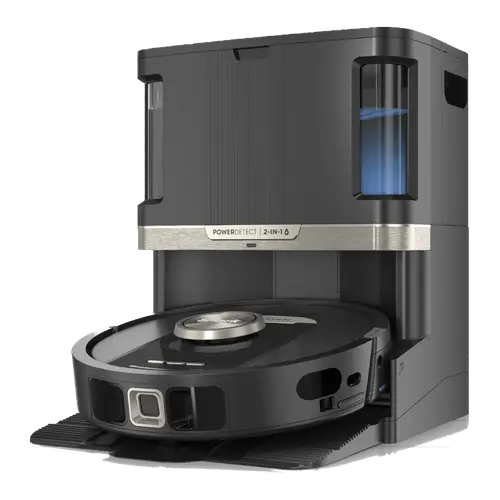
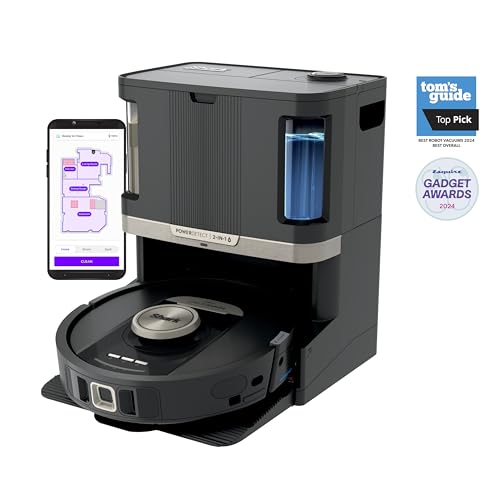
The PowerDetect NeverTouch Pro is Shark's push at a month of hands-free cleaning: the base empties debris, refills the water tank and washes and dries the mop pad, while PowerDetect adjusts suction by floor type and dirt level. Owners who get a good unit like the grid cleaning pattern, the low profile that fits under furniture and the quiet operation, and one reports it surviving a worst-case pet accident and still working perfectly. The complaints are frequent and structural: weak pickup compared with other Shark robots, a mop function that failed just after the return window, cliff sensors that let it fall during mapping, and a moulded water-fill nozzle in the base that breaks and cannot be replaced without buying a whole new base.
- Buyers who want a month of hands-off cleaning
- Low-clearance furniture
- Households on Shark's ecosystem
- People who prefer a grid cleaning pattern
Pros
- Base empties, refills, washes and dries with no user input
- Methodical grid cleaning pattern rather than random movement
- Low profile fits under a lot of furniture
- Quiet in normal operation
- Good value at its usual discounted price
Cons
- Water-fill nozzle in the base breaks and is not replaceable
- Mop function failures reported soon after the return window
- Cliff sensor failed during mapping for at least one owner
- Pickup criticised as weaker than older Shark models
- Costly return shipping and restocking fees on defective units
Who is the Shark PowerDetect NeverTouch Pro for?
This model is aimed at people who want to interact with a robot vacuum as little as possible. The NeverTouch Pro base empties the bin, refills the water tank and washes and dries the mop pad, and Shark rates it for up to a month of hands-free operation. The five PowerDetect technologies adjust behaviour by floor type, dirt level and edges, and the robot is low enough to reach under a lot of furniture. It suits buyers on a mid-range budget who value convenience over raw suction figures.
What buyers love
Owners who got a working unit like the methodical grid pattern rather than random bouncing, and describe the noise level as minimal. Suction is called very good by some, and one enthusiastic reviewer reports it surviving a pet accident and continuing to work perfectly, which is the ultimate durability test for a robot vacuum. The low profile is a specific reason several buyers chose it. Value for the price is mentioned repeatedly by satisfied owners.
Where it falls short
The most damaging report is the moulded plastic water-fill nozzle in the base breaking after 14 to 16 months of limited use, with Shark confirming it is not a replaceable part so the entire base has to be replaced. Mop functions failing shortly after the 45-day return window are reported, as is a cliff sensor that failed to stop the robot dropping off a ledge during the mapping run. Several owners compare it unfavourably with older Shark Navigator models on pickup, and one describes it as extremely slow. Return costs are a further complaint, with one buyer paying $45 shipping plus a $120 restocking fee on a defective unit.
Living with it day to day
When it works, the base handles emptying, refilling, washing and drying, and the debris capacity stretches to around 60 days. Owners recommend giving the mapping run supervision, given the ledge report. Setup is described as difficult by at least one owner living alone. Alexa and Google Home voice control are supported, and scheduling and no-go zones are handled in the SharkClean app.
Frequently asked questions
What does NeverTouch Pro mean?
It refers to the base handling everything: emptying debris for up to 60 days, refilling the water tank, and washing and drying the mop pad, so you should not need to touch the robot for around a month.
What is the water nozzle problem?
An owner reports the moulded plastic water-fill nozzle in the base breaking after 14 to 16 months. Shark confirmed the nozzle is not a replaceable part, so the entire base must be replaced.
How does pickup compare with older Shark robots?
Several owners with older Shark Navigator models say this one picks up noticeably less, though others rate the suction as very good. Feedback is genuinely split.
Does it avoid ledges and stairs?
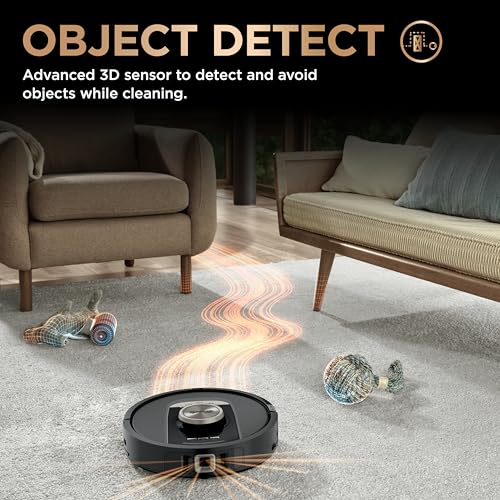
It has cliff detection, but one owner reports it dropping off a ledge during the initial mapping run, so supervising the first map is worth doing.
What is the return process like?
One owner reports paying $45 for return shipping on a defective unit and then having $120 deducted as a restocking fee, so check the seller's return terms before buying.