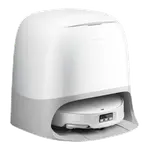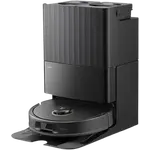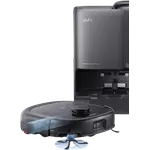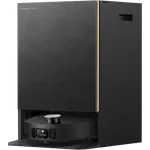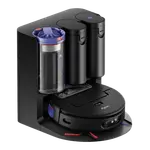



TP-Link Tapo RV30 Max Review: LiDAR Navigation on a Tight Budget
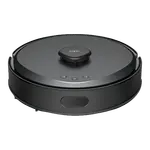
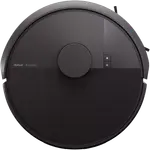
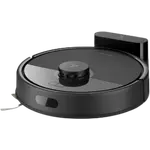
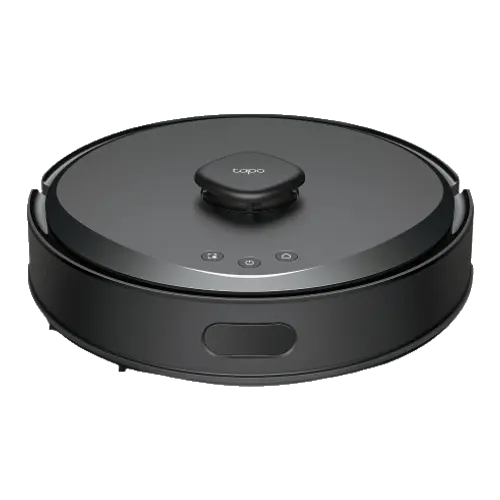
The RV30 Max is the RV30 Max Plus without the auto-empty dock. You get the same LiDAR smart navigation, the same 5,300 Pa suction with a claimed dust pickup rate above 97%, the same threshold climbing and the same Tapo app control with mapping, zones and scheduling, but the robot returns to a simple charging dock and you empty its onboard bin yourself. At 5.18 kg it is a straightforward, well-specified budget robot for people who would rather save the money than automate dust disposal. This review is based on the verified specification, as Amazon review data could not be retrieved for this listing.
- Tight budgets
- Smaller homes and apartments
- Hard floors with light carpet
- Buyers who do not mind emptying a bin
Pros
- LiDAR mapping and no-go zones at a low price
- 5,300 Pa suction with 97%+ claimed dust pickup
- Around 150 minutes of runtime with recharge and resume
- Managed in the Tapo app with other TP-Link devices
- Smaller footprint without a bulky dock
Cons
- No self-emptying dock; the bin is emptied by hand
- Mop pad rinsed manually with no washing or drying
- No mop lifting for carpet
- 2.4 GHz WiFi only, no Matter or Apple Home
- Amazon owner reviews could not be retrieved for this listing
Who is the Tapo RV30 Max for?
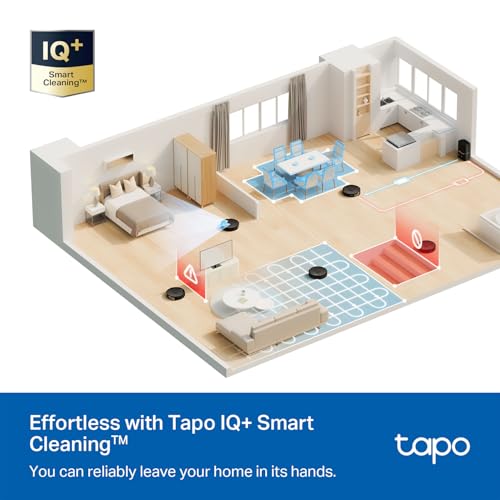
This is for buyers who want real mapping rather than random navigation but do not want to pay for or house a self-emptying dock. LiDAR gives you a floor plan, room-by-room cleaning, no-go zones and repeatable coverage, which is the single biggest jump in usefulness over cheap bump-and-turn robots. Smaller homes benefit most, since the onboard bin needs emptying more often in larger spaces.
What the specification offers
Suction is 5,300 Pa with an optimised air inlet, improved brush and repositioned air ducts, and TP-Link claims a dust pickup rate above 97%. Runtime is around 150 minutes with automatic recharge and resume. Navigation includes obstacle detection, cliff detection, multi-room mapping and no-go zones. The robot weighs 5.18 kg and mops using an onboard tank and trailing pad. Everything is controlled from the Tapo app alongside other TP-Link smart devices.
Where the compromises are
There is no self-emptying dock, so the onboard bin must be emptied by hand, and no mop washing, drying or auto-lifting. Suction at 5,300 Pa suits hard floors and low-pile carpet rather than deep pile. Connectivity is 2.4 GHz WiFi only with no Matter, Apple Home or SmartThings support.
How it fits the range
Within Tapo's line-up this is the mid-point: more capable than the ultra-slim RV20 Max on chassis and runtime, cheaper than the RV30 Max Plus because it drops the dock. If you expect to run it daily in a larger home, the Plus is worth the upgrade for dust handling alone.
Frequently asked questions
Does the RV30 Max empty itself?
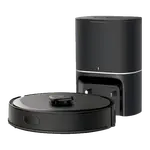
No. It returns to a charging dock only. The self-emptying version is the RV30 Max Plus, which adds a 3 L bag rated for up to 60 days.
Does it map rooms?
Yes, using LiDAR, which enables room-by-room cleaning, customisable zones and no-go areas in the Tapo app.
How much suction does it have?
5,300 Pa, with TP-Link claiming a dust pickup rate above 97% thanks to an optimised air inlet and brush design.
Can it mop?
Yes, with an onboard water tank and a trailing pad. There is no mop washing, drying or automatic lifting over carpet.
Why is this review based on specifications?
Amazon review data could not be retrieved for this listing, so the review is built from TP-Link's verified published specification instead of owner feedback.