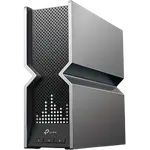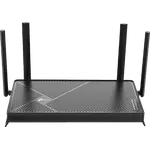
TP-Link Archer AXE75 Review: The Affordable Wi-Fi 6E Router That Shines for VR and Gaming
The Archer AXE75 is the value pick for anyone who wants a quiet, uncongested 6 GHz band without paying Wi-Fi 7 money. It sets up in minutes from the Tether app, pairs a fast 6 GHz radio with a 2.5 Gbps port, and runs a separate IoT network, a full VPN suite and EasyMesh. The trade-offs are generational: no Wi-Fi 7, no MLO and a single multi-gig port, and range that a few buyers call average for six antennas. For gaming, streaming and a busy smart home it is one of the best Wi-Fi 6E bargains around.
- VR and PC gaming
- Wi-Fi 6E upgrades
- Replacing a weak ISP gateway
- Budget-conscious buyers
Pros
- Tri-band Wi-Fi 6E with a clean, uncongested 6 GHz band
- Excellent for wireless VR and gaming, owners report low latency
- Quick setup from the Tether app or web interface
- 2.5 Gbps WAN/LAN port for gigabit-plus plans
- Separate IoT network plus a guest network
- VPN server and client, including WireGuard, OpenVPN and L2TP
- EasyMesh and OneMesh support, plus access point mode
- WPA3, firewall, QoS and parental controls
- Two-year warranty
Cons
- No Wi-Fi 7, no MLO and no link aggregation
- Only one multi-gig port; the rest are Gigabit
- Some owners find the range average for six antennas
- Advanced HomeShield security needs a subscription
- Not a Matter controller or Thread border router
Who is the TP-Link Archer AXE75 for?
It suits homes that want the 6 GHz band Wi-Fi 6E adds without moving up to Wi-Fi 7 prices. Reviewers keep singling out one use case: wireless PCVR, where the empty 6 GHz band carries a Quest headset without the stutter and congestion of a crowded 2.4 or 5 GHz network. It also fits a house full of devices that has outgrown an ISP gateway, since its tri-band radios, OFDMA and support for 200+ devices spread the load, and the 2.5 Gbps port has headroom for a gigabit-plus plan. Anyone with multi-gig LAN gear, Wi-Fi 7 clients or a wish for Matter and Thread should look elsewhere.
What buyers love
Setup is the most repeated compliment: owners describe the Tether app and web interface as quick and clear, with the router running out of the box. The 6 GHz band earns the strongest praise, especially from people using it as a dedicated link for VR headsets, who report smooth, near-latency-free streaming where their old router stuttered. Speed and coverage come up next, with buyers noting a big step up from an older router and a signal that reaches rooms and floors the previous one missed. The separate IoT network is a recurring favourite for keeping smart plugs and cameras apart from phones and laptops, and owners with older TP-Link extenders like that EasyMesh and OneMesh pull them into one network. Value for money is called out again and again.
What to know before you buy
The complaints are fewer and mostly about expectations. A few owners find the range average for a router with six antennas, so a large or thick-walled home may still want a mesh node. Some report fiddly mesh setup or connection drops, and one buyer says the full HomeShield security suite needs a paid subscription, which is true: the basic security, parental controls, QoS and reports are free, the advanced protection is not. There is no Wi-Fi 7, no MLO and no link aggregation, and only one 2.5 Gbps port, so everything else is Gigabit. It is not a Matter controller or a Thread border router either, so it does not replace a smart home hub.
What the TP-Link Archer AXE75 offers
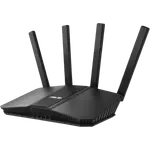
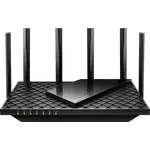
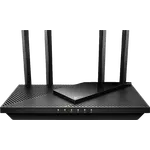
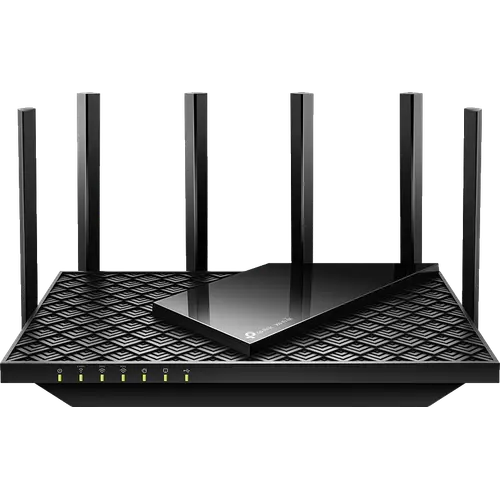
It is an AXE5400 tri-band router with 2402 Mbps on the 6 GHz band, 2402 Mbps on 5 GHz and 574 Mbps on 2.4 GHz, served by six external antennas. The wired side carries a 2.5 Gbps WAN/LAN port plus a 1 Gbps WAN/LAN and three 1 Gbps LAN ports, and there is a USB port for FTP, Samba, Time Machine and media sharing. Security covers WPA3, a firewall, access control and HomeShield, with a guest network and a dedicated IoT network. Parental controls include content filtering, schedules and an instant internet pause. The VPN section works both ways with OpenVPN, PPTP, L2TP and WireGuard, plus DDNS, and the router joins EasyMesh networks or runs in access point mode. It is managed from the Tether app or the web interface, and carries a two-year warranty.
Is the TP-Link Archer AXE75 worth it?
Yes, for the buyer it is aimed at. It gives you a genuine 6 GHz band, a multi-gig port and a deep feature set for a fraction of Wi-Fi 7 money, and the reviews show it delivers exactly where it matters, from VR and gaming to a crowded smart home. If your plan is faster than 2.5 Gbps, you have Wi-Fi 7 clients, you need several multi-gig ports or you want Matter and Thread built in, step up to a newer model; otherwise it is one of the easiest ways to get onto Wi-Fi 6E.
Frequently asked questions
Is the TP-Link Archer AXE75 Wi-Fi 6E or Wi-Fi 7?
It is Wi-Fi 6E, rated AXE5400. It adds the 6 GHz band on top of 2.4 and 5 GHz but does not support Wi-Fi 7 or MLO.
Does the Archer AXE75 have a 2.5 Gbps port?
Yes. It has one 2.5 Gbps WAN/LAN port, plus a 1 Gbps WAN/LAN port and three 1 Gbps LAN ports, for five wired ports in total.
Does the Archer AXE75 support VPN?
Yes. It runs VPN servers and clients for OpenVPN, PPTP and L2TP, and TP-Link lists it for WireGuard as well, alongside DDNS.
Can the Archer AXE75 be used in a mesh network or as an access point?
Yes. It is EasyMesh-compatible and works with TP-Link OneMesh extenders, and it has an access point mode for running behind an existing router.
Does the Archer AXE75 have a separate network for smart home devices?
Yes. Alongside a guest network it offers a dedicated IoT network, which keeps smart plugs, lights and cameras on their own wireless network. It is not a Matter controller or a Thread border router.
Does the Archer AXE75 require a subscription?
No for the router itself. Basic HomeShield security, parental controls, QoS and reports are free, while the advanced HomeShield protection is a paid subscription.