Winner
14% OFF
$599.99
$699.99

Full Routers comparison in 2026

New releases and the smart home news worth knowing, in your inbox.
No spam. Unsubscribe in one click.
| Feature | TP-Link Archer BE900 | TP-Link Archer GE800 | Winner |
|---|---|---|---|
| Price | $599.99 | $478.99 | TP-Link Archer GE800 |
| Rating | 4.0 | 3.8 | TP-Link Archer BE900 |
| Max Wi-Fi Speed | 24.4 Gbps | 19 Gbps | TP-Link Archer BE900 |
| LAN Port Count | 8 | 7 | TP-Link Archer BE900 |
| Warranty | 2 years | 2 years | Tie |
| Wi-Fi 6E (802.11ax) | YES | YES | Tie |
| Wi-Fi 7 (802.11be) | YES | YES | Tie |
| Mesh Wi-Fi | YES | YES | Tie |
| WPA3 Encryption | YES | YES | Tie |
| LAN 2.5 Gbps RJ45 Ports | 4 | 4 | Tie |
| USB Storage | FTP, Samba, Media Sharing | FTP, Samba, Media Sharing | Tie |
| Parental Controls | Wi-Fi Pause Schedules, Instant Wi-Fi Pause, Block Content | Wi-Fi Pause Schedules, Instant Wi-Fi Pause, Block Content | Tie |
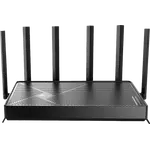
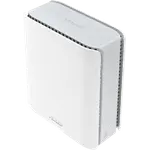
TP-Link Archer BE900 wins with its higher owner rating, quad-band 24.4 Gbps Wi-Fi 7, USB storage sharing and complete VPN toolkit. TP-Link Archer GE800 is the gaming-focused alternative with strong low-latency performance but a thinner confirmed feature list.
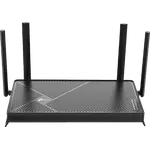
Bands and extras versus gaming focus. The BE900 runs four bands (2.4GHz, two 5GHz, 6GHz) with twelve antennas and adds USB file sharing plus OpenVPN, WireGuard, PPTP and L2TP. The GE800 is a tri-band gaming router tuned for latency, with fewer confirmed extras.
Mostly. Both offer dual 10 Gbps ports, a 10 Gbps SFP+ port and four 2.5 Gbps LAN ports; the TP-Link Archer BE900 adds one extra gigabit LAN jack for eight total ports versus seven. Either handles multi-gig internet plans and NAS traffic comfortably.
On the TP-Link Archer GE800, a vocal minority of owners report reboots, dropped connections or unit failures appearing after months of use, so registering the 2-year warranty matters. No equivalent pattern is documented for the TP-Link Archer BE900 in this catalog.
Choose TP-Link Archer BE900 for the most complete Archer: extra 5GHz capacity for device-heavy households, Time Machine and media sharing over USB, built-in VPN client and server, and the higher owner rating of the two.
Choose TP-Link Archer GE800 if you are chasing the lowest gaming latency and like its styling: owners report smooth competitive play and whole-home coverage that removed their extenders, with the same multi-gig wired backbone.
 Our store on AmazonShop our ideas on AmazonLists of the smart home setups we would put together ourselves, ready to add to your Amazon cart.Shop on Amazon
You are looking at two of them. The full table lines up all Routers in the catalog with the same specs, so you can filter by what you need and sort by price or rating.