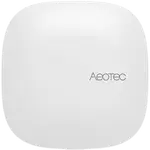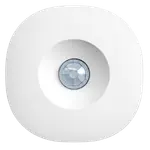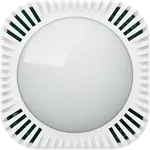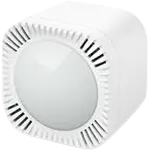


Aeotec aërQ Review: A Z-Wave Plus Climate Sensor That Also Reports Dew Point
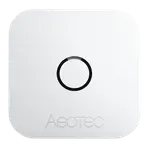
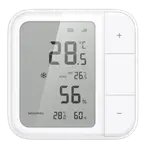
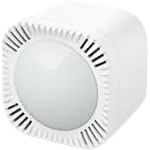
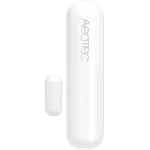
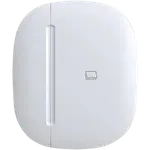
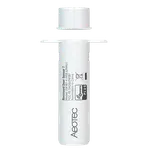
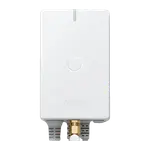
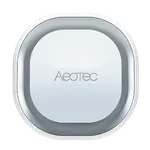
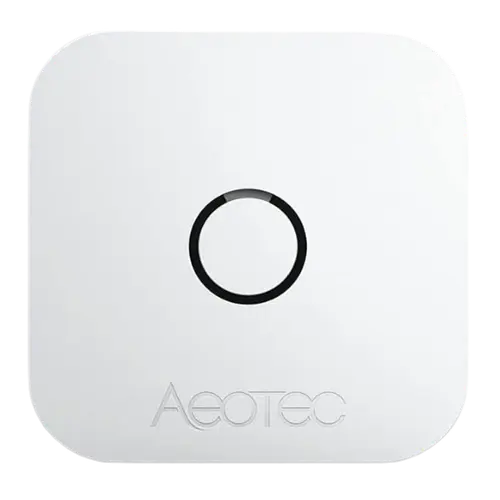
The Aeotec aërQ is a small Z-Wave Plus sensor that reports temperature and humidity, and adds a reading most competitors omit: dew point, which is the number that actually predicts condensation and mould rather than humidity alone. It uses S2 security and SmartStart, so pairing is a code scan rather than an inclusion dance, and it works with SmartThings, Home Assistant and other certified Z-Wave gateways. Battery life is around a year. It is a 35 mm disc designed to be unobtrusive, indoor only, and it requires a Z-Wave hub.
- Z-Wave homes
- Damp rooms and mould prevention
- SmartThings and Home Assistant setups
- Discreet placement
One sensor per room you want to read.
Buy on Amazon USACheck pricePros
- Reports dew point as well as temperature and humidity
- Z-Wave Plus with S2 security and SmartStart pairing
- Works with SmartThings, Home Assistant and certified Z-Wave gateways
- Temperature and humidity alerts with automation support
- Small 35 mm disc that mounts discreetly
- No wiring required
Cons
- Requires a Z-Wave hub, and Z-Wave is region locked by frequency
- No Wi-Fi, Zigbee, Thread or Matter support
- Around one year of battery life, shorter than many Zigbee sensors
- Voice assistant support depends on the hub and is not documented
- Indoor only, with no weather resistance rating
- Battery type, low battery alerts, history and warranty are not documented
Who is the aërQ for?
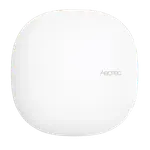
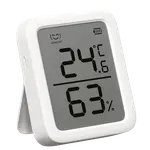
It is for a Z-Wave household that wants climate data for automations: running a fan when a bathroom stays humid, warning about a cold room, or triggering a dehumidifier. The dew point reading is what distinguishes it, because condensation depends on the relationship between temperature and humidity rather than on humidity alone, and a dew point value tells you directly when surfaces will get wet. At 35 mm across it can be mounted on a ceiling or wall without being noticeable.
What it offers
Temperature and humidity measurement with dew point derived from both, temperature and humidity alerts, and automation support through your hub. Z-Wave Plus brings the practical improvements that matter for a battery sensor, better range and efficiency, while S2 provides encrypted pairing and SmartStart makes adding it a matter of scanning a code. It is documented as working with SmartThings and Home Assistant, and with certified Z-Wave gateways generally. Battery life is stated at about a year.
What to know before you buy
A Z-Wave hub is required, and Z-Wave is region locked by frequency, so the unit must match your country. There is no Wi-Fi, Zigbee, Thread or Matter support, so it cannot be paired directly to a phone or a voice assistant, and voice platform support (Google Home, Alexa, HomeKit) is not documented because that depends on your controller. There is no display, no weather resistance rating, so it stays indoors, and no atmospheric pressure or air quality sensing. Battery type, low battery alerting, history records and warranty terms are all undocumented, and a year of battery life is shorter than the multi-year figures some Zigbee sensors claim.
Is the aërQ worth it?
It is priced above generic climate sensors, and what you pay for is Z-Wave Plus with S2 and SmartStart, plus the dew point reading. For a Z-Wave home dealing with damp, that combination is genuinely useful and the pairing experience is better than older Z-Wave gear. If you run Zigbee or want Matter, or if a one year battery is too much maintenance across many rooms, other sensors make more sense.
Frequently asked questions
Why does dew point matter?
Condensation and mould depend on the combination of temperature and humidity, not humidity alone. A dew point reading tells you directly when surfaces in the room will start to get wet.
Does the aërQ need a hub?
Yes, a Z-Wave hub. It works with SmartThings, Home Assistant and other certified Z-Wave gateways.
What is SmartStart?
A Z-Wave pairing method where you scan a code on the device instead of putting the hub into inclusion mode, which makes adding sensors considerably easier.
How long does the battery last?
About a year. The battery type is not documented for this model.
Can it be used outdoors or in a greenhouse?
It has no weather resistance rating, so it is intended for indoor use.