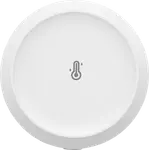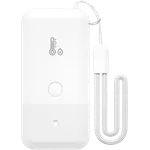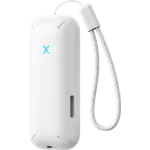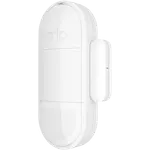




Arlo All-in-One Sensor Review: Freeze Alerts Bundled Into an 8-in-1 Security Sensor
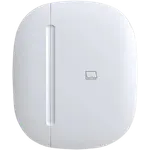
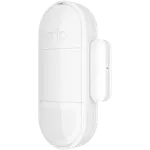
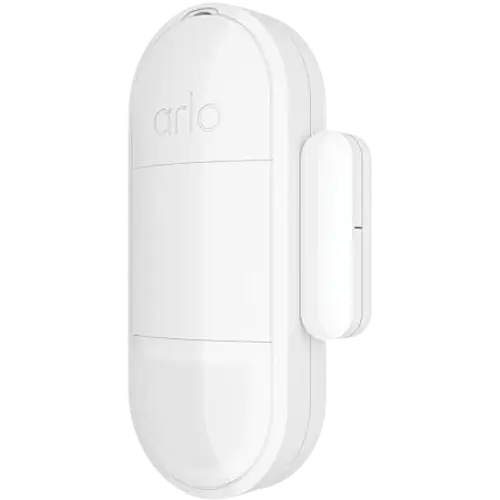
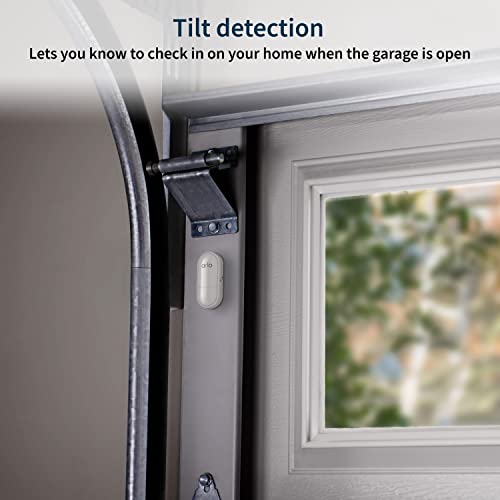
The Arlo All-in-One Sensor adds freeze and low-temperature alerts to a small battery-powered puck that also covers doors, motion and water leaks, making it a practical bolt-on for households already running an Arlo Security System rather than a dedicated climate monitor. It nails quick setup, Alexa and Google Home voice control, and budget-friendly pricing, but it skips humidity sensing entirely, only flags temperature drops rather than a full hot-and-cold range, and cannot work without Arlo's own hub. Buyers already in the Arlo ecosystem get useful freeze protection for pipes, plants and vacant properties; anyone wanting a standalone sensor or broad smart home protocol support should look elsewhere.
- Existing Arlo Security System owners
- Freeze and pipe protection
- RVs, cabins and vacant properties
- Alexa and Google Home households
One sensor per room you want to read.
Buy on Amazon USACheck pricePros
- Combines freeze/low-temperature alerts with door, motion and water-leak sensing in one small device
- Quick setup that slots directly into an existing Arlo Security System and app
- Works with Google Home and Alexa for voice control and automations
- Budget-friendly price, often available at a steep discount
- Backed by a one-year warranty
Cons
- No humidity sensor at all, despite the product category
- Temperature alerts are limited to low-temperature/freeze warnings, not a full range
- Requires an Arlo Security System hub; no standalone WiFi, Zigbee, Z-Wave, Bluetooth or Thread connection
- No Apple HomeKit, Home Assistant, IFTTT or Matter support
- Not weather-resistant, so it's best kept indoors or in covered spots
- Some owners report short or unpredictable battery life, and Arlo does not publish an official battery-life spec
Who is the Arlo All-in-One Sensor for?
This sensor is built as an add-on for an existing Arlo Security System rather than a standalone climate gadget. Because it needs Arlo's own hub to work (it has no direct WiFi, Zigbee, Z-Wave, Bluetooth or Thread radio of its own), it makes the most sense for households that already own Arlo cameras or a base station and want to extend that same app and automations to freeze and low-temperature monitoring. The recurring real-world use case in owner feedback is protecting pipes and property during cold snaps or while a home, cabin or RV sits unattended; one buyer specifically credited the sensor family with catching a leak early and avoiding costly water damage.
What buyers love
Owners consistently call setup fast and straightforward, especially compared with juggling several single-purpose sensors, since one small device folds temperature, door/window, motion and water-leak detection into a single listing in the Arlo app. Several reviewers who switched from another ecosystem highlight how easily it slotted in alongside cameras they already owned, and the automations support means a temperature or leak event can trigger other Arlo devices or a phone alert without extra setup. The low, frequently discounted price point is also a recurring plus for buyers stocking multiple sensors around a house.
What to know before you buy
Despite living in the temperature and humidity sensor category, this device does not measure humidity at all, and its temperature alerting is limited to flagging low-temperature and freeze conditions rather than monitoring a full comfort range. It also depends entirely on an Arlo Security System hub, so it cannot pair directly to a WiFi network, a Zigbee mesh or a Z-Wave mesh, or work as a fully standalone sensor. Integration is limited to Google Home and Alexa; Apple HomeKit, Home Assistant, IFTTT and Matter are all unsupported. It is also not rated for weather resistance, so outdoor or exposed placement is not recommended. A handful of reviewers report inconsistent battery life or sensors that stopped responding after roughly a couple of years, and Arlo does not publish an official battery-life figure for this model, so keeping spare CR2477 cells on hand is a sensible precaution.
Is the Arlo All-in-One Sensor worth it?
For the price, and backed by a one-year warranty, the All-in-One Sensor is a reasonable way to bolt basic freeze protection onto an Arlo system you already own, and owner sentiment stays largely positive despite reliability complaints from a minority of buyers. It is not the right pick if you want dedicated humidity tracking, hub-free operation, or broad smart home protocol support such as HomeKit, Zigbee, Thread or Matter, since none of those boxes are checked here. Judged as a low-cost add-on freeze sensor for an existing Arlo household, rather than as a general-purpose climate sensor, it delivers solid value.
Frequently asked questions
Does the Arlo All-in-One Sensor measure humidity?
No. Despite being listed among temperature and humidity sensors, its sensor package only covers temperature, specifically low-temperature and freeze alerts, along with door/window, motion and water-leak detection. There is no humidity sensor.
Does it need a hub to work?
Yes. The sensor has no built-in WiFi, Zigbee, Z-Wave, Bluetooth or Thread radio and connects only through an Arlo Security System hub, so it cannot function as a standalone WiFi sensor.
Does the Arlo All-in-One Sensor work with Apple HomeKit or Home Assistant?
No. It integrates with Google Home and Alexa only; Apple HomeKit, Home Assistant, IFTTT and Matter are not supported.
What kind of temperature alerts does it send?
It's set up to flag low-temperature and freeze conditions, useful for protecting pipes and plants during cold snaps, rather than monitoring a full high-and-low comfort range.
What battery does it use, and how long does it last?
It runs on a single CR2477 coin-cell battery. Arlo does not publish an official battery-life figure for this model, and some owners report the battery draining faster than expected, so keeping spares on hand is worthwhile.
Is the Arlo All-in-One Sensor weatherproof for outdoor freeze monitoring?
No. It is not rated for weather resistance, so it's best suited to indoor or covered locations rather than direct outdoor exposure.