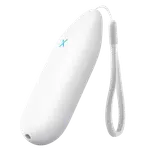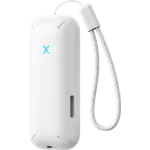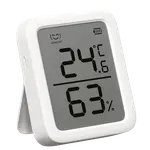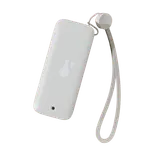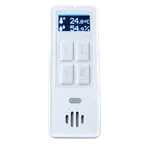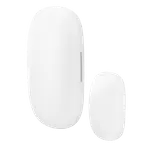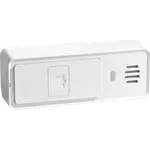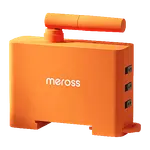



Meross Smart Temperature and Humidity Sensor Review: Solar-Powered Simplicity for HomeKit Automations
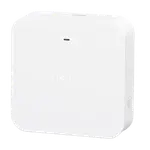
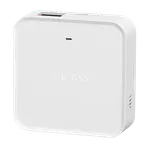
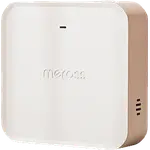
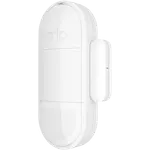
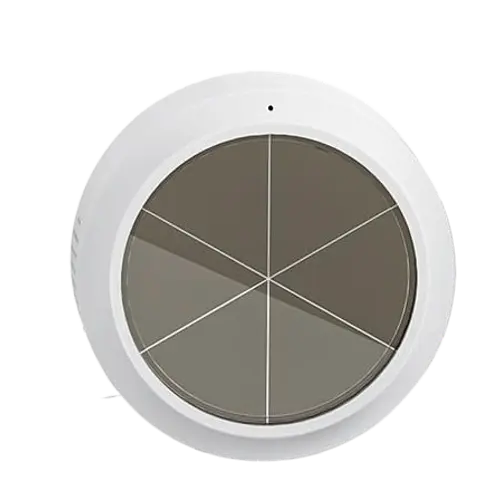
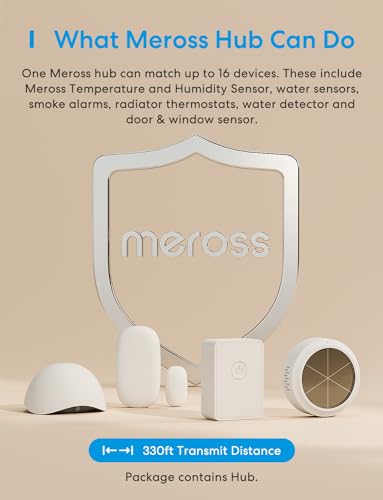
The Meross Smart Temperature and Humidity Sensor pairs a small ambient-light-charged sensor with a required Meross Wi-Fi Hub, giving Apple HomeKit, Alexa, Google Home and Home Assistant users an affordable way to trigger fans, humidifiers or HVAC based on real-time readings. Buyers consistently like how easy the automations are to set up and appreciate never having to change a battery, but a recurring share of reviews describe the sensor losing its connection to the hub after weeks or months of otherwise normal use. It's a solid low-cost pick for a HomeKit-first smart home, as long as buyers accept the extra hub requirement and keep an eye out for connection drops.
- Apple HomeKit households
- Budget-conscious smart home starters
- Humidity-triggered automations (bathrooms, basements)
- Buyers who want to avoid battery replacements
Pros
- Solar-assisted power means the battery rarely, if ever, needs replacing
- Strong Apple HomeKit automation support, praised as better than other budget brands
- Works with Alexa, Google Home, SmartThings and Home Assistant
- Easy to trigger fans, humidifiers or HVAC from temperature/humidity thresholds
- Low price point for a multi-ecosystem sensor
Cons
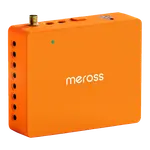
- Requires a separate Meross Smart Wi-Fi Hub, no direct Wi-Fi/Bluetooth/Zigbee
- Some buyers report the sensor disconnecting from the hub after weeks or months
- Sub-1GHz range can fall short of advertised distance through walls or floors
- No display, no weather resistance, no Matter or IFTTT support
Who is the Meross Smart Temperature and Humidity Sensor for?
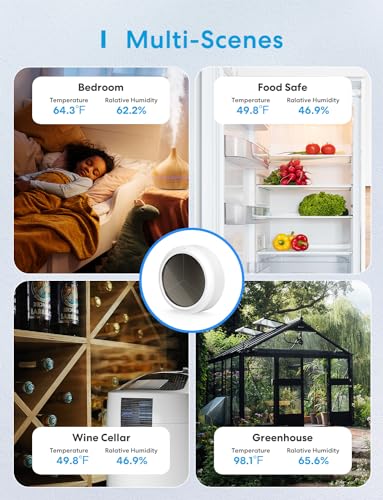
This sensor is built for buyers already using, or willing to add, a Meross Smart Wi-Fi Hub, since it connects over a proprietary sub-1GHz radio rather than Wi-Fi, Bluetooth, Zigbee, Z-Wave or Thread. Reviewers commonly place it in a bedroom, bathroom, attic or balcony to feed temperature and humidity data into Apple HomeKit, Alexa, Google Home, Samsung SmartThings or Home Assistant automations, several specifically mention triggering a bathroom fan when humidity rises or logging temperature swings in a room served poorly by a Nest or similar thermostat.
What buyers love
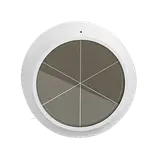
The most repeated praise is for the automations, owners describe smooth HomeKit integration that lets them trigger fans or humidifiers automatically once a threshold is crossed, and several call out that Meross's HomeKit support is more polished than other budget brands they've tried. The solar-charging design, which the spec confirms kicks in above roughly 150 lux and otherwise draws from the CR2477 cell, is a standout for reviewers who like that it effectively never needs a battery change. Setup is generally called quick once the hub is paired, and the history-records feature lets buyers track temperature and humidity trends over time to diagnose problem rooms.
What to know before you buy
The device requires a separate Meross Smart Wi-Fi Hub to function at all, it has no direct Wi-Fi, Bluetooth or Zigbee, so factor that into the total cost and setup complexity. The most common complaint is the sensor periodically losing its connection to the hub, ranging from occasional drops that need a manual restart to a unit that stopped connecting reliably after a few months (Meross support replaced at least one reported unit under warranty). A few buyers also found the sub-1GHz range shorter in practice than advertised through thick walls or ceilings, needing to relocate the hub closer to the sensor. It has no display, no weather resistance rating, no Matter support and no IFTTT, and one reviewer noted its accuracy can dip in very cold conditions.
Is the Meross Smart Temperature and Humidity Sensor worth it?
At its low price point, this sensor delivers real value for HomeKit, Alexa or Google Home users who want automation-ready temperature and humidity data without ever swapping a battery. The tradeoffs, a mandatory hub and a real, if inconsistent, risk of connection drops, are worth weighing against cheaper battery-only alternatives, but for buyers already invested in the Meross ecosystem or planning to add a hub anyway, it remains a solid budget pick.
Frequently asked questions
Does the Meross Smart Temperature and Humidity Sensor need a hub?
Yes. It connects over a sub-1GHz radio rather than standard Wi-Fi, Bluetooth, Zigbee or Z-Wave, so a Meross Smart Wi-Fi Hub (such as the MSH400HK or MSH450) is required to bring it onto the network.
Does it need batteries?
It uses a CR2477 battery as a backup, but a solar cell takes over and stops battery drain once ambient light reaches about 150 lux, so in most bright locations it effectively never needs a battery change.
Does it work with Apple HomeKit, Alexa and Google Home?
Yes, it supports Apple HomeKit, Amazon Alexa, Google Home, Samsung SmartThings and Home Assistant. It does not support Matter or IFTTT.
Can it be used outdoors?
It is not rated for weather resistance, so it's designed for indoor or covered locations rather than direct outdoor exposure.
Why do some buyers report connection issues?
A recurring complaint across reviews is the sensor periodically losing its link to the required hub, sometimes needing a manual restart or, in a few cases, a warranty replacement. Keeping the hub within a clear line of sight and shorter range of the sensor tends to reduce this.