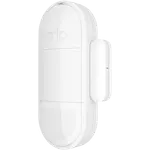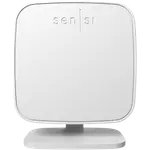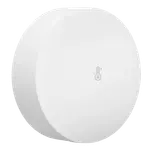




Nest Temperature Sensor (2nd gen) Review: A Simple Fix for Uneven Room Temperatures
The Nest Temperature Sensor (2nd gen) pairs directly with a compatible Nest Thermostat to let it read and prioritize a specific room instead of wherever the thermostat happens to be mounted. Buyers overwhelmingly say it solves the classic too-hot-upstairs or too-cold-bedroom problem and helps trim energy bills by scheduling comfort where it's actually needed, with setup that's usually quick despite occasional pairing hiccups. Its narrow tradeoff is that it only works as a Nest Thermostat accessory, has no smart home integrations of its own, and buyers outside the US should double-check thermostat compatibility before ordering.
- Nest Thermostat owners
- Multi-room or multi-story homes
- Buyers wanting lower heating/cooling bills
- Anyone with a room that's consistently too hot or cold
Pros
- Fixes the common problem of a thermostat misreading a specific room
- Helps schedule heating/cooling by room and cut energy bills
- Quick, straightforward pairing with a compatible Nest Thermostat
- Small, unobtrusive design that fits on a shelf or nightstand
- Rated battery life around three years
Cons
- Only works as a Nest Thermostat accessory, no standalone connectivity or integrations
- No display, humidity sensing, alerts, automations or history tracking of its own
- Some UK/regional buyers report incompatibility with their Nest Learning Thermostat
- A few reviewers experienced the pairing process hanging before completing
Who is the Nest Temperature Sensor (2nd gen) for?
This sensor exists purely as an accessory for a compatible Nest Thermostat, it has no Wi-Fi, Bluetooth, Zigbee, Z-Wave, Thread or Matter of its own and pairs directly to the thermostat instead. Reviewers use it to solve a very specific, very common problem: a bedroom, upstairs floor, or far-off room that runs warmer or cooler than wherever the main thermostat is mounted. Owners in multi-story homes describe placing sensors on different floors and scheduling the thermostat to prioritize whichever room matters most at a given time of day, commonly the bedroom overnight and a living area during the day.
What buyers love
The dominant theme is comfort balancing: reviewers consistently say the sensor lets their Nest Thermostat stop over- or under-heating rooms and instead track the temperature where people actually are. Several buyers report noticeably lower energy bills after adding sensors and scheduling by room, since the system stops conditioning unoccupied spaces. Setup is generally described as easy, most reviewers connect a sensor to their thermostat within minutes through the Google Home app, and the small, unobtrusive size makes it easy to place on a shelf or nightstand without it standing out.
What to know before you buy
The sensor is a Nest Thermostat accessory only, it lists no Wi-Fi, Bluetooth, Zigbee, Z-Wave, Thread or Matter support of its own and has no display, humidity sensing, alerts, automations or history logging built in, all of that lives on the connected thermostat instead. A meaningful number of reviews, especially from UK buyers, report the sensor failing to pair with their region's Nest Learning Thermostat 3rd Gen, a compatibility gap worth checking before ordering, particularly if importing a US unit. A couple of buyers also experienced the pairing process hanging temporarily before eventually completing, so patience during setup can be needed.
Is the Nest Temperature Sensor (2nd gen) worth it?
For existing Nest Thermostat owners with an unevenly heated or cooled home, this sensor is a low-cost, high-impact fix that reviewers consistently credit with real comfort improvements and lower utility bills. It isn't a general-purpose environmental sensor and won't integrate with Alexa, Apple HomeKit, SmartThings or Home Assistant on its own, so its value is entirely tied to already owning, or planning to buy, a compatible Nest Thermostat. Buyers outside the US should confirm regional thermostat compatibility first.
Frequently asked questions
Does the Nest Temperature Sensor work without a Nest Thermostat?
No, it is designed exclusively as a companion accessory that pairs to a compatible Nest Thermostat and has no independent Wi-Fi, Bluetooth, Zigbee, Z-Wave or Matter connectivity of its own.
Does it work with Alexa, Apple HomeKit or Samsung SmartThings?
No. It only integrates with Google Home through its connected Nest Thermostat and does not support Alexa, Apple HomeKit, Samsung SmartThings, Home Assistant, IFTTT or Matter.
How long does the battery last?
It runs on a CR2 battery rated for about three years of use.
Is the Nest Temperature Sensor (2nd gen) compatible with UK Nest thermostats?
Compatibility varies by region and thermostat generation, several UK buyers report the sensor failing to pair with their local Nest Learning Thermostat, so it's worth confirming compatibility with the specific thermostat model before purchasing, especially if importing a unit from another region.
Does the sensor have its own display or app features?
No, it has no screen, alerts, automations or history logging of its own. Its readings and any related scheduling live in the Google Home app through the connected Nest Thermostat.