


Shelly BLU H&T ZB Review: A Two-Radio Climate Sensor Small Enough to Disappear
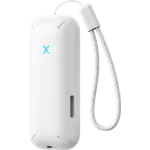
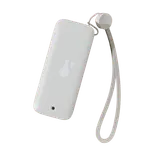
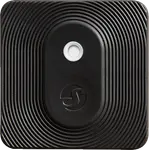
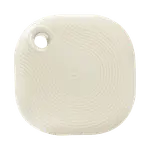
The Shelly BLU H&T ZB is the display-less member of the BLU H&T family, and dropping the e-paper panel is what makes it this small and this cheap: a 37 mm square, 13 g, one CR2032 rated for around three years. It carries both radios, so it can join a Zigbee coordinator directly or broadcast over Bluetooth 5 LE to a Shelly gateway, and Zigbee2MQTT already lists this exact model, which puts temperature, humidity and battery into Home Assistant as soon as it pairs. The IP54 shell is the specification that separates it from most sensors at this level, since dust and splash resistance covers a bathroom, a garage or a sheltered balcony rather than a shelf in the living room. The trade-offs are that the readings live entirely on the hub, that the Shelly app and the assistants behind it need a Shelly gateway on the network, and that without Matter there is no Apple Home route.
- Zigbee homes
- Home Assistant setups
- Bathrooms and damp rooms
- Sheltered outdoor spots
- Shelly ecosystem owners
- Budget multi-room monitoring
Pros
- Zigbee and Bluetooth 5 LE in one battery sensor, so it fits a Zigbee coordinator or a Shelly Bluetooth gateway
- IP54 rated against dust and splashes, which covers bathrooms, garages and sheltered outdoor spots
- Home Assistant support through Zigbee2MQTT, which lists this exact model (SBHT-203C)
- One CR2032 cell rated for about three years
- 37 x 37 x 10 mm and 13 g, small enough to sit anywhere without being noticed
- Wide rated ambient range of -20 to 60 degrees Celsius and the full 0 to 100% RH humidity scale
- Threshold alerts on temperature and humidity, and scene triggers with other Shelly devices
- Alexa, Google Home and SmartThings are reachable through the Shelly account once a gateway is on the network
Cons
- No display: the readings only exist on a hub, in the app or in a dashboard
- A Shelly BLU Gateway or a Shelly Plus, Pro, Gen3 or Gen4 device is needed before the app and the voice assistants can see it
- No Matter certification, so there is no Apple Home path
- Radio range is rated up to 10 m indoors, so it wants a mesh router or a gateway nearby
- Temperature and humidity only: no atmospheric pressure, no air quality, no light level
- Two year warranty, Shelly's shortest tier, and it does not cover the battery
Who is the Shelly BLU H&T ZB for?
This sensor is built for a home that already has somewhere to send the numbers. It is a Zigbee end device on 802.15.4, so it joins an existing coordinator instead of needing hardware of its own, and Zigbee2MQTT supports this exact model, SBHT-203C, exposing battery, temperature and humidity. Bluetooth 5 LE runs alongside on 2402 to 2480 MHz, which is the path a Shelly BLU Gateway or any Shelly Plus, Pro, Gen3 or Gen4 device that is not itself a sensor uses to carry it into the Shelly Smart Control account, and from there to Alexa, Google Home and Samsung SmartThings. Because it is 37 x 37 x 10 mm and 13 g, and because it costs a fraction of a sensor with a screen, it suits the job of putting one in every room rather than one on the desk.
What stands out on paper
The IP54 rating is the headline specification. Shelly rates the shell against dust and water splashes and points it at bathrooms, storage rooms and sheltered outdoor spots such as patios and balconies, which is a class of placement most coin-cell climate sensors are not rated for. The ambient range backs that up at -20 to 60 degrees Celsius, with humidity measured across the full 0 to 100% RH scale, so a garage in winter or a bathroom under steam is inside what it is built for. Two radios in one battery device is the other unusual part: a sensor that can be commissioned into a Zigbee mesh today and read over Bluetooth by a Shelly gateway tomorrow does not force the choice at purchase. Power is a single CR2032 rated at three years, one cell rather than the two the Display version needs, and the AES-encrypted Zigbee link plus threshold alerts on both temperature and humidity make it usable as a trigger rather than just a readout. Shelly documents the bathroom case explicitly: pair it with a Shelly Plus 1 wired to the extractor fan and the fan runs when humidity climbs.
What to know before you buy
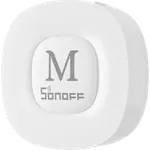
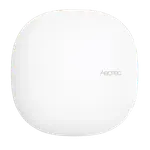
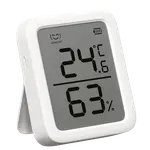
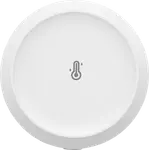
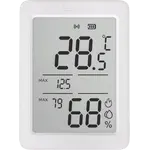
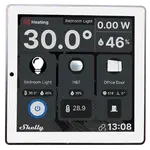
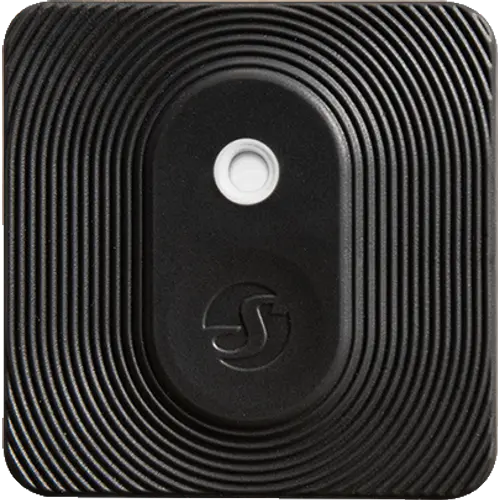
There is no screen. The only thing on the front is a button and a single red LED, so the temperature and the humidity exist on a hub, in an app or in a dashboard and nowhere else; if the number needs to be readable on the wall, the Shelly BLU H&T Display ZB (SBHT-103C) is the model that carries the e-paper panel. The gateway question is the second one. Over Zigbee the sensor needs a coordinator, and to reach the Shelly Smart Control app, and therefore Alexa, Google Home or SmartThings, it needs a Shelly BLU Gateway or a Shelly Plus, Pro, Gen3 or Gen4 device on the network, which is a separate purchase for anyone starting from nothing. There is no Matter certification, so Apple Home is out. Range is modest by design, rated up to 10 m indoors and 30 m outdoors, so placement wants a mesh router or a gateway reasonably close. And the sensing is deliberately narrow: air temperature and relative humidity only, with no pressure, no air quality and, unlike the Display version, not even a light level. The warranty is two years, Shelly's shortest tier, and it excludes the battery as a consumable.
Is the Shelly BLU H&T ZB worth it?
At the budget end of the climate-sensor shelf, the usual compromise is a Zigbee-only puck that reports to one ecosystem and is rated for indoor air alone. This one answers both of those: two radios instead of one, and an IP54 shell that legitimises the damp rooms and the covered outdoor corners where humidity monitoring is actually worth doing. What is paid for that is the screen and the extra sensors, which is a fair trade when the readings are going into Home Assistant or a Shelly scene anyway. The honest comparison is against its own sibling: if the goal is a number a person reads, spend more on the Display ZB; if the goal is a number a rule reads, this is the same measurement in a smaller, tougher, cheaper package.
Frequently asked questions
Does the Shelly BLU H&T ZB have a screen?
No. This is the display-less model in the BLU H&T family: the front carries one button and one red LED, and the temperature and humidity are delivered over Bluetooth or Zigbee to whatever is listening. The version with the e-paper panel is the Shelly BLU H&T Display ZB, model SBHT-103C, which is a larger and more expensive device.
Does the Shelly BLU H&T ZB need a hub?
In one form or another, yes. Over Zigbee it is an end device, so it joins an existing Zigbee coordinator. To appear in the Shelly Smart Control app, and therefore in Alexa, Google Home or Samsung SmartThings, it needs a Shelly gateway on the network: the Shelly BLU Gateway, or any Shelly Plus, Pro, Gen3 or Gen4 device that is not itself a sensor.
Does the Shelly BLU H&T ZB work with Home Assistant?
Yes. Zigbee2MQTT supports this exact model, SBHT-203C, and exposes battery, temperature and humidity, so it appears in Home Assistant as soon as it is paired to the Zigbee network. Five quick presses of the button put it into Zigbee pairing mode.
Does it work with Apple Home or Matter?
No. Its documentation lists only Bluetooth 5 (LE) and Zigbee 802.15.4, with no Matter profile and no Apple Home path. The platforms Shelly names for it are Alexa, Google Home and Samsung SmartThings, through the Shelly Smart Control account with a gateway on the network, plus Home Assistant over Zigbee.
Can I use the Shelly BLU H&T ZB outdoors?
In sheltered spots, yes. Shelly rates it IP54, resistant to dust and water splashes, and points it at patios and balconies, while advising against direct heavy rain or prolonged moisture. The rated ambient range runs from -20 to 60 degrees Celsius, so cold garages and hot storage rooms are inside its envelope.
How long does the battery last?
Shelly rates the single CR2032 coin cell at three years. That figure depends on the cell, how often the sensor reports and how strong the connection to the coordinator or gateway is, and the battery is treated as a consumable rather than a warranty item.