
Key takeaways
- The fastest energy savings come from switching off loads that run when no one needs them, using smart plugs, switches, and presence sensors.
- Heating and cooling are the largest energy use in most homes, so a smart thermostat usually delivers the biggest single saving.
- Energy monitoring plugs and outlets reveal which devices are quietly costing you money, so you can target the worst offenders.
- Replacing frequently used lights with smart LED bulbs cuts lighting energy and adds schedules and automation at the same time.
Energy saving devices reduce waste in two ways: they switch things off when they are not needed, and they show you where power is actually going. Smart plugs, switches, and outlets automate and meter individual loads, smart thermostats manage the biggest energy user in most homes, efficient LED bulbs cut lighting costs, and presence sensors make sure nothing runs in an empty room.
Top rated energy saving products by category
The best reviewed product in each energy category, based on real owner ratings and review counts.
Energy Monitors
See all Energy Monitors| Product | Price | Rating | Reviews | Monitored Circuits | Local API | Relay Output | Actions |
|---|---|---|---|---|---|---|---|
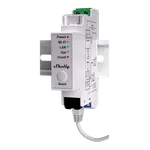 ShellyShelly Pro EM-50 ShellyShelly Pro EM-50 | $71.40 | 4.6 | 957 | 2 | YES | YES | ViewBUY NOWCheck price |
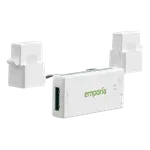 EmporiaEmporia Vue 3 EmporiaEmporia Vue 3 | $199.99 | 4.6 | 860 | 19 | NO | NO | ViewBUY NOWCheck price |
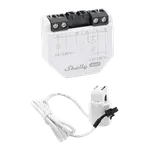 ShellyShelly EM Gen3 ShellyShelly EM Gen3 | $53.89 | 4.6 | 262 | 2 | YES | YES | ViewBUY NOWCheck price |
Plugs
See all Plugs| Product | Price | Rating | Reviews | Maximum Load Power | Energy Monitoring | Apple HomeKit | Actions |
|---|---|---|---|---|---|---|---|
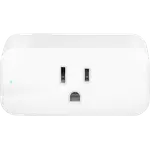 AmazonAmazon Smart Plug AmazonAmazon Smart Plug | $24.99 | 4.7 | 571.2K | - | NO | NO | ViewBUY NOWCheck price |
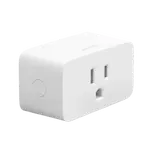 PhilipsPhilips Hue Smart plug (US) PhilipsPhilips Hue Smart plug (US) | $30.99 | 4.7 | 5.4K | 1800W | NO | YES | ViewBUY NOWCheck price |
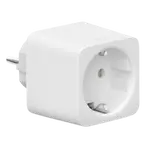 PhilipsPhilips Hue Smart plug (EU) PhilipsPhilips Hue Smart plug (EU) | $33.65 | 4.7 | 4.9K | 2300W | NO | YES | ViewBUY NOWCheck price |
Wall Switches
See all Wall Switches| Product | Price | Rating | Reviews | Neutral Required | Switches | Energy Monitoring | Actions |
|---|---|---|---|---|---|---|---|
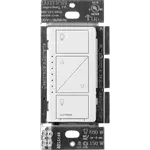 LutronLutron Caseta Original Smart Dimmer Switch LutronLutron Caseta Original Smart Dimmer Switch | $64.95 | 4.7 | 5.7K | NO | 1 | NO | ViewBUY NOWCheck price |
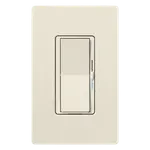 LutronLutron Caseta Diva Smart Dimmer Switch LutronLutron Caseta Diva Smart Dimmer Switch | $69.95 | 4.7 | 685 | NO | 1 | NO | ViewBUY NOWCheck price |
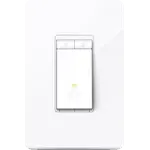 TP-LinkTP-Link Kasa HS220 TP-LinkTP-Link Kasa HS220 | $19.99 | 4.6 | 34.9K | YES | 1 | NO | ViewBUY NOWCheck price |
Wall Outlets
See all Wall Outlets| Product | Price | Rating | Reviews | AC Outlets | USB Ports | Zigbee | Actions |
|---|---|---|---|---|---|---|---|
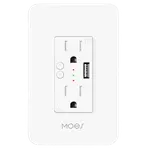 MoesMoes Smart WiFi USB Wall Outlet MoesMoes Smart WiFi USB Wall Outlet | $20.99 | 4.5 | 335 | 2 | 1x USB-A | NO | ViewBUY NOWCheck price |
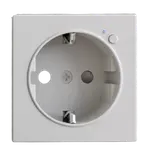 AqaraAqara Wall Outlet H2 EU AqaraAqara Wall Outlet H2 EU | $39.99 | 4.4 | 231 | 1 | - | Zigbee Hub required | ViewBUY NOWCheck price |
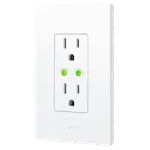 EveEve Energy Outlet EveEve Energy Outlet | $54.99 | 4.1 | 173 | 2 | - | NO | ViewBUY NOWCheck price |
Thermostats
See all Thermostats| Product | Price | Rating | Reviews | Touch Screen | Screen Size | Occupancy | Actions |
|---|---|---|---|---|---|---|---|
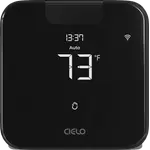 CieloCielo Breez Max CieloCielo Breez Max | $114.35 | 4.6 | 1K | YES | - | NO | ViewBUY NOWCheck price |
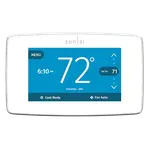 SensiSensi Touch smart thermostat SensiSensi Touch smart thermostat | $179.99 | 4.5 | 14.2K | YES | 4.3" | NO | ViewBUY NOWCheck price |
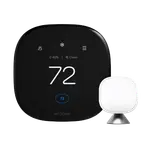 EcobeeEcobee Smart Thermostat Premium EcobeeEcobee Smart Thermostat Premium | $204.97 | 4.5 | 856 | YES | 4" | YES | ViewBUY NOWCheck price |
LED Bulbs
See all LED Bulbs| Product | Price | Rating | Reviews | Power Consumption | Color | Maximum Brightness | Actions |
|---|---|---|---|---|---|---|---|
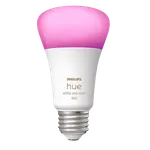 PhilipsPhilips Hue Smart Bulb - White and Color 800 PhilipsPhilips Hue Smart Bulb - White and Color 800 | $54.99 | 4.7 | 3.4K | 9.5W | YES | 800lm | ViewBUY NOWCheck price |
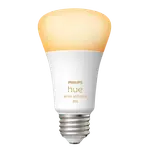 PhilipsPhilips Hue Smart Bulb - White Ambiance 800 PhilipsPhilips Hue Smart Bulb - White Ambiance 800 | $48.99 | 4.7 | 1.8K | 7.5W | NO | 806lm | ViewBUY NOWCheck price |
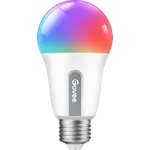 GoveeGovee A19 Smart LED Light Bulb E26 800lm GoveeGovee A19 Smart LED Light Bulb E26 800lm | $14.99 | 4.6 | 27.2K | 9W | YES | 800lm | ViewBUY NOWCheck price |
Relays
See all Relays| Product | Price | Rating | Reviews | Neutral Required | Relay Channels | Energy Monitoring | Actions |
|---|---|---|---|---|---|---|---|
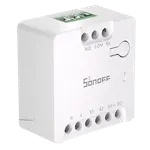 SonoffSonoff MINI Dry Wi-Fi Smart Switch SonoffSonoff MINI Dry Wi-Fi Smart Switch | $12.83 | 4.7 | 1K | In AC input mode | 1 | NO | ViewBUY NOWCheck price |
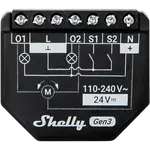 ShellyShelly 2PM Gen3 ShellyShelly 2PM Gen3 | $20.18 | 4.7 | 549 | YES | 2 | YES | ViewBUY NOWCheck price |
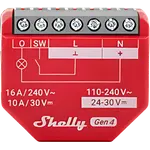 ShellyShelly 1PM Gen4 ShellyShelly 1PM Gen4 | $19.12 | 4.7 | 522 | NO | 1 | YES | ViewBUY NOWCheck price |
Presence Sensors
See all Presence Sensors| Product | Price | Rating | Reviews | Apple HomeKit | Presence | Light | Actions |
|---|---|---|---|---|---|---|---|
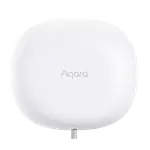 AqaraAqara Presence Sensor FP1E AqaraAqara Presence Sensor FP1E | $49.99 | 4.0 | 492 | YES | YES | NO | ViewBUY NOWCheck price |
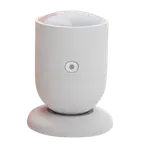 SonoffSONOFF Zigbee Human Presence Sensor SonoffSONOFF Zigbee Human Presence Sensor | $16.99 | 4.0 | 399 | SONOFF Hub required | YES | YES | ViewBUY NOWCheck price |
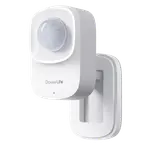 GoveeGoveeLife Smart Presence Sensor GoveeGoveeLife Smart Presence Sensor | $39.99 | 3.9 | 259 | NO | YES | NO | ViewBUY NOWCheck price |
Measure first, then automate
You cannot cut what you cannot see. Smart plugs and outlets with energy monitoring show the real consumption of each device, which often reveals surprises: an old fridge, an always on entertainment center, or a space heater left running. Once you know where the power goes, you can decide what to automate or replace.
Automation does the rest. Schedules turn off devices overnight, presence sensors cut power and lights in empty rooms, and smart switches make sure lights are never left on. Each change is small, but together they remove the steady drip of standby and idle consumption that runs all day.
Target the biggest users
Not all savings are equal. Heating and cooling dominate most energy bills, so a smart thermostat that eases off when you are out or asleep usually saves more than any plug. Lighting is the next easy win: efficient LED bulbs use a fraction of the energy of older bulbs and add scheduling on top.
For everything else, smart plugs, switches, and outlets let you automate and meter individual loads. Combine presence sensors with these actuators so rooms power down automatically when empty, and you turn occasional manual effort into permanent, automatic savings.
Frequently Asked Questions
- Which smart device saves the most energy?
- For most homes, a smart thermostat saves the most, because heating and cooling are the largest energy use. After that, energy monitoring plugs help you find and eliminate hidden standby loads, and smart switches plus presence sensors stop lights and devices running in empty rooms.
- Do smart plugs actually reduce my bill?
- Yes, in two ways. They let you schedule devices off when not needed, eliminating standby draw, and the ones with energy monitoring reveal which devices cost the most so you can target them. The savings depend on what you plug in and how aggressively you automate.
- Are smart LED bulbs more efficient than regular LEDs?
- Smart LED bulbs are similar in efficiency to standard LEDs, but they add scheduling, dimming, and automation that prevent lights being left on. The energy win comes mostly from better control and from replacing any older, less efficient bulbs.
- How do presence sensors help save energy?
- Presence sensors detect when a room is occupied and when it is empty, so automations can switch off lights, heating, or devices the moment everyone leaves. This removes the waste of rooms that stay powered after people walk out.