
Key takeaways
- Smart irrigation replaces fixed timers with rules driven by real temperature and humidity data, so you water only when plants need it.
- Smart water valves and relays are the actuators that start and stop flow, and can be tied to schedules, sensor readings, or voice and app control.
- Skipping a watering cycle after rain or in cool, humid conditions is the single biggest source of water savings.
- Local control through a hub keeps schedules running even when the internet is down, which protects plants during outages.
Smart irrigation pairs water valves and relays that turn flow on and off with temperature and humidity sensors that decide when watering is actually needed. Instead of a fixed timer, your garden is watered based on real conditions, which saves water and keeps plants healthier.
Top rated irrigation products by category
The best reviewed product in each irrigation category, based on real owner ratings and review counts.
Water Valves
See all Water Valves| Product | Price | Rating | Reviews | Battery Life | Apple HomeKit | Child Lock | Actions |
|---|---|---|---|---|---|---|---|
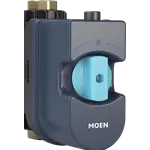 MoenMoen Flo Smart Water Monitor + Shutoff MoenMoen Flo Smart Water Monitor + Shutoff | $508.88 | 3.9 | 2.3K | - | NO | NO | ViewBUY NOWCheck price |
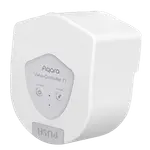 AqaraAqara Valve Controller T1 AqaraAqara Valve Controller T1 | $69.99 | 3.8 | 399 | 2 years | Aqara Hub required | NO | ViewBUY NOWCheck price |
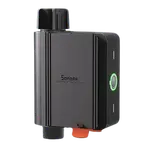 SonoffSonoff Zigbee Smart Water Valve SonoffSonoff Zigbee Smart Water Valve | $29.90 | 3.4 | 207 | 20 months | NO | - | ViewBUY NOWCheck price |
Relays
See all Relays| Product | Price | Rating | Reviews | Neutral Required | Relay Channels | Energy Monitoring | Actions |
|---|---|---|---|---|---|---|---|
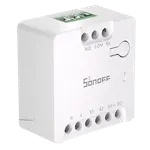 SonoffSonoff MINI Dry Wi-Fi Smart Switch SonoffSonoff MINI Dry Wi-Fi Smart Switch | $12.83 | 4.7 | 1K | In AC input mode | 1 | NO | ViewBUY NOWCheck price |
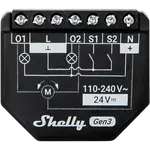 ShellyShelly 2PM Gen3 ShellyShelly 2PM Gen3 | $20.18 | 4.7 | 549 | YES | 2 | YES | ViewBUY NOWCheck price |
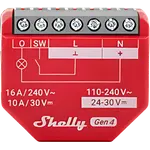 ShellyShelly 1PM Gen4 ShellyShelly 1PM Gen4 | $19.12 | 4.7 | 522 | NO | 1 | YES | ViewBUY NOWCheck price |
Temperature & Humidity Sensors
See all Temperature & Humidity Sensors| Product | Price | Rating | Reviews | Screen | Matter | Humidity | Actions |
|---|---|---|---|---|---|---|---|
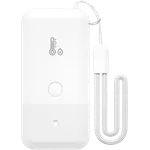 YoLinkYoLink Smart Wireless Thermometer Hygrometer YoLinkYoLink Smart Wireless Thermometer Hygrometer | $16.14 | 4.7 | 852 | NO | YoLink Local Hub required | YES | ViewBUY NOWCheck price |
 GoogleNest Temperature Sensor GoogleNest Temperature Sensor | $39.00 | 4.6 | 16.6K | NO | NO | NO | ViewBUY NOWCheck price |
 EcobeeEcobee SmartSensor EcobeeEcobee SmartSensor | $99.99 | 4.6 | 8.7K | NO | NO | NO | ViewBUY NOWCheck price |
How a smart irrigation system fits together
The core of any automated watering setup is the actuator: a smart water valve that opens and closes a line, or a relay that switches a pump or an existing valve. These devices accept schedules and can be triggered by automations, so a single rule can water different zones at different times.
Sensors make the system smart rather than just scheduled. Temperature and humidity sensors let you skip cycles when the air is already damp or cool, and pairing them with local weather data means the system can hold off after rain. The result is a garden that is watered on conditions, not on a clock.
Saving water without losing plants
Fixed timers waste water because they run regardless of weather. The biggest savings come from a simple rule: do not water if it rained or if humidity is high. Adding soil and ambient sensors lets you tune this further, watering longer in heat and skipping cycles in cool spells.
For reliability, choose valves and relays that support local control through a hub. That keeps your watering schedule running during internet outages and avoids the risk of a cloud dependency leaving plants dry during a heat wave.
Frequently Asked Questions
- Can I automate watering without replacing my existing system?
- Yes. A smart relay can switch a pump or an existing valve, and an inline smart water valve can be added to a hose or drip line. You keep your current piping and add automation on top, controlled by schedules or sensor readings.
- How does a smart irrigation system save water?
- It waters based on real conditions instead of a fixed timer. By skipping cycles after rain or when humidity is high, and by adjusting run time to temperature, it avoids the overwatering that timers cause. Skipping unnecessary cycles is the single biggest source of savings.
- What sensors do I need for smart irrigation?
- Temperature and humidity sensors are the most useful starting point. They let your automations skip watering in cool, humid conditions and water more in heat. You can expand with dedicated soil moisture sensors for per zone precision.
- Will my irrigation keep running if the internet drops?
- If your valves and relays support local control through a hub, schedules and sensor based rules keep running during an outage. Cloud only devices may pause, so prefer locally controlled hardware for anything protecting living plants.